
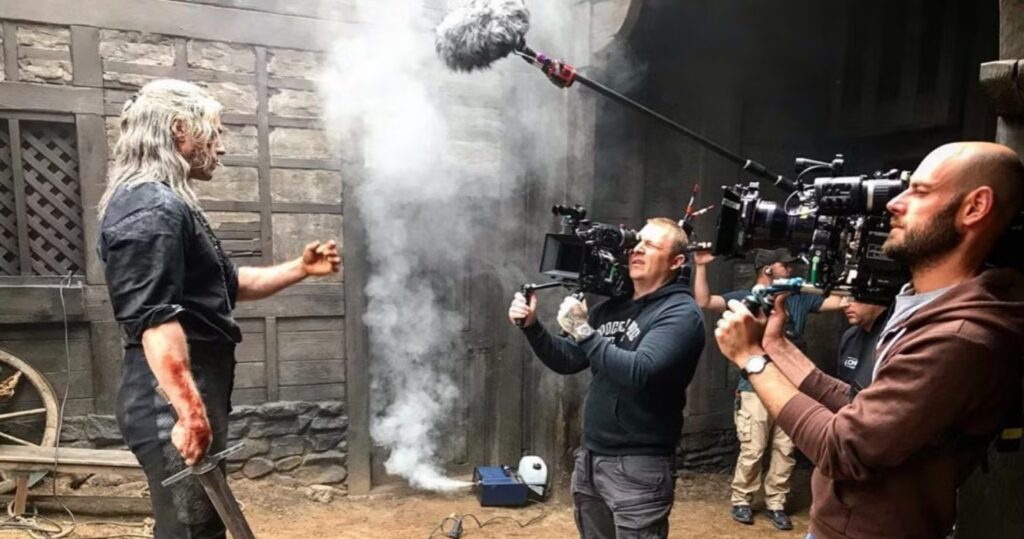
When it comes to epic fantasies that capture our imagination, few shows have done it as successfully as Netflix’s The Witcher. Adapted from the bestselling book series by Andrzej Sapkowski and further popularized by the wildly successful video game franchise, The Witcher has become a cultural phenomenon. Yet, beyond the thrilling adventures of Geralt of Rivia and the enchanting landscapes of the Continent lies an intricate world of visual storytelling. In this article, we’ll explore how The Witcher translates fantasy into stunning visuals that captivate audiences, all while diving into the behind-the-scenes magic that makes it possible.
The Artistic Vision Behind The Witcher
From the moment the show bursts into life, it is clear that The Witcher is a crafted masterpiece. The aesthetic is grounded in dark fantasy, echoing themes of moral ambiguity, complex characters, and an expansive world filled with lore. The creators worked tirelessly to build an atmosphere that allows viewers to immerse themselves in Geralt’s multifaceted world.
Showrunner Lauren Schmidt Hissrich has described the importance of creating a visual language that corresponds with the emotional tone of each scene. “Every frame, every set piece, every costume tells a story,” she states. This level of care and attention to detail is paramount, as it not only enhances the storytelling but also invites viewers to lose themselves within the visually stunning experience.
Impressive Set Design and Locations
One of the most significant aspects that bring The Witcher to life is its breathtaking set design and location shoots. Filming took place across diverse and picturesque locations in Eastern Europe, including Hungary, Poland, and Austria, effectively portraying the variety of landscapes found in the source material.
The production team chose architectural styles that mirrored the medieval European setting, ensuring that castles and villages look authentic and lived-in. For instance, the stunning views of the vineyards in the first season are not just beautiful backdrops; they represent the fusion of beauty and brutality that defines the series. Each location was handpicked to reflect the emotional stakes of the characters’ journeys, enhancing the narrative visually.
The Importance of Props and Practical Effects
While CGI plays a vital role in bringing fantastical elements to life, The Witcher significantly emphasizes the use of practical effects and props. From the intricate designs of weapons to the detailed costumes, every element is crafted meticulously to enhance authenticity.
The creators focused on bringing the world of The Witcher to life using actual physical items whenever possible. This decision immerses actors in their roles, as they can interact with tangible objects rather than relying solely on green screens. It’s a reminder that texture and weight matter in a world of fantasy, creating an inviting realism that resonates with audiences.
Costume Design: Dressing the Fantasy
Costume designer Jodie Comer, known for her exceptional work in period dramas, understood the significant role that costumes play in conveying character depth and narrative arcs. Each character’s wardrobe is crafted to reflect their personality, background, and moral alignment.
For instance, Geralt’s armor is adorned with wolf motifs, signaling his identity as a witcher while hinting at his solitary nature. In contrast, Yennefer’s stunning garments evolve throughout the series, visually representing her character’s transformation from a troubled sorceress to a powerful enchantress. The use of bold colors and dramatic silhouettes enhances these character trajectories, turning wardrobe choices into visual storytelling devices.
Tailoring Costumes for Functionality
Beyond aesthetics, the creators needed to consider the functionality of the costumes. Fight scenes are integral to The Witcher, and the outfits must not only look good but also allow for mobility and comfort. Crews often conduct tests to ensure that actors can perform stunts and fight choreography without restrictions, which adds a level of realism to the action sequences.
Making magic is no easy feat, but producer Jennifer Decker emphasizes the collaborative effort among various departments. “From designing armor that looks battle-ready to crafting gorgeous gowns that flow dramatically, every detail matters,” she explains. This collaborative spirit ensures that the overall visual language remains cohesive, further transporting audiences into Geralt’s world.
[amazon box=”B08XLLF3PG”]
Visual Effects: Enhancing the Fantasy
While practical effects lay the groundwork for authenticity, the project’s visual effects (VFX) team adds another layer of wonder. The seamless integration of CGI elevates the storytelling, whether it’s the haunting presence of wraiths or the breathtaking landscapes that morph when sorcery unfolds.
Season one’s star-studded VFX department poured immense resources into creating jaw-dropping effects. They utilized cutting-edge technology to generate life-like creatures and dramatic elemental magic. By iterating on real-world physics, artists created wondrous spectacles that don’t disrupt the story’s flow, enhancing moments of tension and excitement.
The balance of CGI with practical effects is what sets The Witcher apart. Viewers can believe in the fantastic elements because they see the actors interact with tangible sets and props. This is where the show’s magic lies; it’s not just about creating visual grandeur but matching it with grounded storytelling.
The Impact of Cinematography
Another vital component in how The Witcher translates fantasy into stunning visuals is its cinematography. The collaboration between cinematographer Manuel Alberto Claro and director Alik Sakharov resulted in exquisite framing, lighting, and motion.
Each scene tells a story through its composition. Takoing advantage of natural light creates emotionally charged sequences that resonate with viewers on a deeper level. For example, the milky glow of dawn or the shadowy warmth of twilight carries its own weight, often hinting at the narrative arcs to come.
A passion for storytelling is palpable in the cinematography. Each shot is meticulously planned and executed, ensuring that audience engagement remains at the forefront. The use of different camera angles, close-ups, and sweeping wide shots creates an immersive experience reminiscent of the epic fantasy films of yesteryears.
The Role of Sound Design and Music
While visuals play a significant role in The Witcher, sound design and music contribute significantly to the show’s overall impact. The series’ composer, Sonya Belousova, alongside Giona Ostinelli, crafted a hauntingly beautiful score that enriches every scene. Their work evokes the emotional layers of the narrative while reinforcing the tonal shifts that underpin the story.
Beyond the score, the intricate sound design enhances the sensory experience and heightens tension. The clinking of swords, the rustle of leaves, and the ominous sounds of magical creatures engage viewers and pull them deeper into the world of the Continent. This audio immersion complements the visual storytelling, ensuring that every moment resonates.
Conclusion: Creating an Enchanting Visual Journey
The Witcher stands as a testament to what happens when artistic vision and meticulous craft converge. Behind the scenes, a collective of passionate professionals—writers, directors, designers, artists, and more—dedicated themselves to translating a rich fantasy narrative into captivating visuals. From breathtaking locations and intricate costume designs to stunning visual effects and a haunting score, every detail contributes to the enchanting experience.
As viewers, we are fortunate to embark on this journey with Geralt, Yennefer, and the rest of the unforgettable characters. While their adventures span lands unknown and magical conflicts, it’s the dedication to stunning visuals that allows us to step into their world and experience the rollercoaster of emotions that unfold. As we continue to watch The Witcher, we can appreciate the multifaceted artistry that goes into making this beloved series a visual spectacle that echoes through the halls of fantasy storytelling.
Now, as fans eagerly await the next chapters of Geralt’s saga, one thing is for certain: The Witcher will continue to captivate audiences with its mesmerizing visuals, proving that in the world of fantasy, the only limit is the imagination.



