
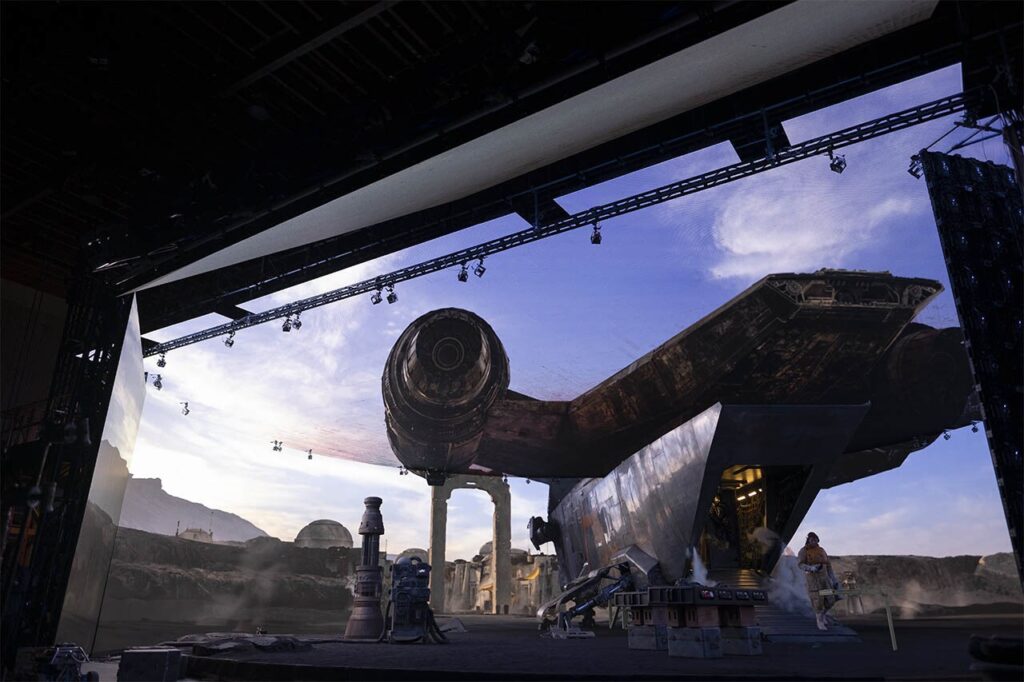
In recent years, few series have captured the hearts and imaginations of both fans and critics quite like The Mandalorian. The show not only expands the galaxy far, far away but does so with visual storytelling that continues to push the boundaries of what we expect from television. But have you ever wondered how such stunning visual effects are achieved? What technologies are at work behind the scenes to bring this iconic universe to life? In this article, we will delve into the innovative techniques and tools that have transformed The Mandalorian into a groundbreaking series that elevates the Star Wars franchise to new heights.
The Visual Effects Revolution: An Overview
Before we dive into the specifics, it’s essential to recognize the visual effects revolution that has occurred in recent years. With advancements in technology, filmmakers now have a treasure trove of tools at their disposal. Traditional practical effects, while still relevant, have often taken a backseat to digital effects that allow creators to explore impossible worlds without the restrictions of physical reality.
Since The Mandalorian debuted on Disney+ in November 2019, it has been lauded for its ability to seamlessly blend live-action with computer-generated imagery (CGI). It stands at the forefront of modern filmmaking, showcasing groundbreaking innovations like LED wall technology and game-engine virtual production.
The Game-Changing Technology Behind The Mandalorian
1. StageCraft: Redefining the Soundstage
One of the most significant advancements showcased in The Mandalorian is a revolutionary production technique called StageCraft. Developed by Industrial Light & Magic (ILM), StageCraft utilizes massive LED screens to create immersive backgrounds in real-time. This innovation allows filmmakers to render complex environments digitally and project them onto large screens surrounding the live-action shoot.
Not only does this technology offer stunning visuals, but it also provides a more authentic environment for actors. Unlike green screens, where performers often struggle with the lack of context, StageCraft enables actors to interact with their surroundings in a more believable way. From the desolate landscapes of Tatooine to the stunning vistas of a remote planet, this technology has redefined how scenes are shot and how stories are told.
2. Real-Time Rendering with Virtual Production
While traditional visual effects work often involves shooting live scenes on green screens and later layering in digital elements in post-production, StageCraft offers real-time rendering. By utilizing game engines like Unreal Engine, filmmakers can see their environments come to life as they shoot. This immediate feedback allows for more creative exploration on set, as directors and cinematographers can quickly adjust lighting, angles, and compositions based on the digital background they are working with.
The real-time aspect is critical for the fast-paced environment of modern television, especially when projects have tight deadlines. The ability to see an almost-finalized version of a scene while shooting is a game-changer, significantly reducing the need for extensive post-production.
3. Enhanced Lighting Techniques
Lighting is a crucial element in filmmaking, and the advancements in LED technology make it easier than ever to create the desired atmosphere. The LED walls used in The Mandalorian emit realistic light that can interact with the actors and props in a scene dynamically. This technique ensures that the lighting reflects the environmental context, making the overall look more cohesive and authentic.
Additionally, this innovative lighting approach enables more nuanced performances from the cast since they can react similarly as they would in a real-world setting. Gone are the days of artificial lighting completely ruining a scene’s authenticity.
The Marriage of Practical and Digital Effects
[amazon box=”B08XLLF3PG”]
1. Combining the Old and New
One of the beauty of The Mandalorian is its marriage of practical effects and digital enhancements. While visual effects have come a long way, the series has not completely abandoned traditional techniques that helped define the original Star Wars films. Fans still enjoy the lifelike qualities of miniatures, puppetry, and animatronics blended seamlessly with CGI elements.
For example, the terrifying creature known as the Krayt Dragon combines practical effects, such as animatronics, with CGI enhancements to create a genuinely heart-pounding presence on the screen. This balance ensures that viewers experience a rich tapestry of visuals that feels both nostalgic and modern.
2. Realistic Creature Design
Creature design in The Mandalorian has also been exemplary, taking full advantage of both practical effects and computer graphics. For example, characters such as the popular Grogu (often referred to as “Baby Yoda”) utilize a combination of puppetry and CGI to create a lifelike and emotive character. The puppeteer is able to convey nuanced expressions, while digital effects enhance Grogu’s abilities and integrate him seamlessly into scenes.
The success of these beloved characters is a testament to the artistry involved in visual effects, proving that blending multiple techniques yields maximum impact.
The Future of Visual Effects in Television
1. The Impacts on the Industry
The Mandalorian has set a new standard for visual storytelling in television, proving that high-quality effects can be achieved within the episodic format. This success challenges traditional norms and inspires other studios to adopt similar approaches to enhance the viewer’s experience.
As the technology becomes more accessible, we can expect an influx of new series and films that utilize the techniques pioneered by The Mandalorian. With game engines and virtual production becoming more commonplace, we may witness an artistic renaissance in storytelling across genres.
2. Audience Expectations
Beyond influencing the industry, The Mandalorian has raised audience expectations. Viewers now anticipate cinematic-level production quality in television, leading to an evolution in storytelling. The line separating big-budget films and streaming series is continuing to blur, demanding that creators push the envelope even further.
As viewers become accustomed to high-quality visuals and innovative narrative styles, showrunners must rise to meet those evolving expectations, leading to even greater advancements in visual presentation.
Conclusion: A New Era of Star Wars Storytelling
The Mandalorian stands as a testament to the incredible possibilities that modern technology brings to the world of television. The groundbreaking use of StageCraft, real-time rendering, and the harmonious combination of practical and digital effects has set a new benchmark for the genre.
While the Star Wars universe has been beloved for decades, The Mandalorian has revolutionized the way its stories are told, ensuring that fans remain captivated and engaged. As technology continues to advance, we can only imagine the heights that future adaptations will reach, paving the way for even more ambitious and imaginative storytelling.
So the next time you find yourself immersed in the stunning visuals of The Mandalorian, take a moment to appreciate the sheer amount of technology, creativity, and dedication that goes into creating such a rich visual experience. The Force is indeed strong with this series, and its impact will be felt for years to come.
In the end, The Mandalorian isn’t just a show—it’s a glimpse into the future of visual storytelling, bridging the gap between what has been and what is yet to come. As fans, we are fortunate to witness this extraordinary era of Star Wars, where technology and artistry unite to make the impossible possible.



