
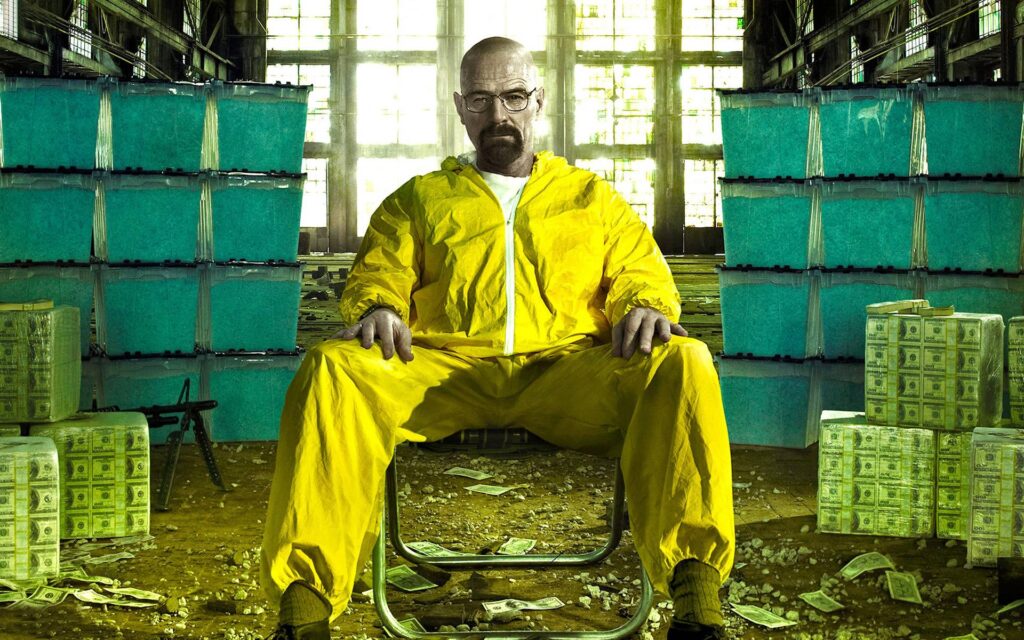
When it comes to television, few shows have reached the monumental heights of “Breaking Bad.” Created by Vince Gilligan, this gripping drama about a high school chemistry teacher turned methamphetamine manufacturer not only captivated audiences during its original run from 2008 to 2013 but has also left an indelible mark on pop culture. The question remains: how did “Breaking Bad” become such a cultural phenomenon? This article delves into the various elements that contributed to the show’s extraordinary success, examining everything from compelling storytelling to complex characters, and the impact of the internet and social media.
The Genesis of Great Storytelling
At its heart, “Breaking Bad” is a masterclass in storytelling. The show meticulously unravels the transformation of Walter White, a mild-mannered teacher, into Heisenberg, a ruthless drug lord. This twofold character arc showcases the essence of profound storytelling: a captivating premise that speaks to universal themes of morality and consequence. As viewers followed Walter’s descent into the criminal underworld, they were compelled to ask, “What would you do?”
The show’s exceptional writing is also underscored by Gilligan’s philosophy of making Walter White “turn from Mr. Chips into Scarface.” Each episode builds upon the last, creating a narrative momentum that keeps viewers engaged. The unexpected twists and turns, showcasing Walter’s moral compromises, serve to further root the audience’s investment in the character’s journey.
Complex Characters
One of the most remarkable aspects of “Breaking Bad” is its complex characters. Walter White, played brilliantly by Bryan Cranston, embodies the show’s moral ambiguity. Initially a sympathetic figure, his choices lead audiences into deep moral quandaries. Is he a villain or a product of his circumstances? This ambiguity makes him one of television’s most compelling anti-heroes.
Equally significant is Jesse Pinkman, portrayed by Aaron Paul. Jesse’s character serves as a counterbalance to Walter’s ruthless ambitions. His struggles with addiction and the moral implications of their drug trade add layers of complexity that resonate with viewers. This dynamic relationship between Walter and Jesse creates an emotional depth that enhances the viewing experience.
Moreover, characters like Skyler White (Anna Gunn) and Saul Goodman (Bob Odenkirk) further enrich the narrative. Skyler’s evolution from a loving wife to a morally conflicted accomplice to Walter, and Saul’s outlandish yet clever antics, provide varied perspectives on the consequences of crime and the relationships surrounding it.
Cinematic Brilliance
Vince Gilligan and his team also employed a visual style that resulted in some of the most iconic imagery in television. The use of color symbolism throughout the series is particularly noteworthy. For example, characters often wear specific colors that represent their emotional state or moral compass. This meticulous attention to detail adds a layer of artistic expression that makes “Breaking Bad” feel more like a film than a traditional TV series.
The show’s cinematography, handled by names like Michael Slovis, is another standout feature. From the stark landscapes of Albuquerque to the claustrophobic settings of illicit drug labs, every shot is intentional and serves to enhance the story. Through innovative camera techniques and striking visuals, “Breaking Bad” elevates itself above standard television fare, creating iconic moments that viewers will never forget.
Social Media and Fandom
As “Breaking Bad” aired its episodes, the rise of social media changed the way audiences interacted with television shows. Platforms like Twitter, Facebook, and Reddit played a crucial role in fostering a communal viewing experience. Fans dissected episodes in real-time, shared theories, and engaged in fervent discussions that kept the show at the forefront of cultural conversations.
Moreover, the emergence of memes and fan-created content added another dimension to its popularity. The show’s memorable quotes, unforgettable scenes, and unique characters spawned countless memes, ensuring that “Breaking Bad” remained relevant long after episodes aired. Social media acted as an amplifier for the show’s themes and characters, allowing fans to connect and share their passion for the series.
[amazon box=”B08XLLF3PG”]
Critical Acclaim and Awards
The cultural phenomenon of “Breaking Bad” is also attributed to its overwhelming critical acclaim. The show received numerous awards, including 16 Primetime Emmy Awards. Bryan Cranston won four times for Outstanding Lead Actor in a Drama Series, establishing himself as one of the finest actors of his generation. The series itself is frequently cited as one of the greatest television shows of all time, further solidifying its legacy in the TV landscape.
Critics praised the show for its writing, character development, and overall production quality. The phrase “the best show on television” became synonymous with “Breaking Bad,” and its influence can be seen in the ‘Golden Age of Television’ that followed, inspiring a slew of ambitious series aiming to capture the same magic.
Engaging Themes
While “Breaking Bad” thrives on character study, it also dives deep into various engaging themes that resonate with viewers. The existential question of morality looms large throughout the series. It invites viewers to reflect on the consequences of their decisions and the lengths they would go to in the name of family, survival, or ambition.
Furthermore, the exploration of the American Dream is deftly portrayed through Walter’s journey. Initially driven by a desire to secure his family’s future, Walter’s moral descent raises questions about the true nature of success and the ethical boundaries individuals might cross to achieve it. This notion resonates deeply in a society that often valorizes achievement above all else.
Spin-offs and Continued Legacy
The success of “Breaking Bad” led to a prequel spin-off, “Better Call Saul,” focusing on the backstory of the conman lawyer, Saul Goodman. This series has garnered critical acclaim of its own, demonstrating the rich storytelling universe that Gilligan created. In 2019, the sequel film “El Camino: A Breaking Bad Movie” further cemented the franchise’s enduring popularity, offering closure to Jesse Pinkman’s narrative.
The sustained interest in “Breaking Bad” is also indicative of its cultural impact. Iconic catchphrases, visual motifs, and character references permeate popular culture, from commercials to late-night talk shows, ensuring that even new generations are aware of its significance.
Conclusion
“Breaking Bad” is more than just a television series; it is a cultural touchstone that has transformed the way audiences engage with stories on screen. Its combination of exceptional storytelling, complex characters, innovative cinematography, and strong thematic elements has resonated with millions of fans around the world.
As we look back on the series, it becomes clear that its success is not merely a result of quality writing or acting but also of its ability to spark conversation, evoke emotion, and challenge viewers to consider the moral complexities of life. “Breaking Bad” stands as a testament to the power of television to reflect societal issues and the human condition, making it a cultural phenomenon that will continue to inspire and intrigue for generations to come.
Whether you’re revisiting the series for the umpteenth time or diving in for the first time, “Breaking Bad” offers an unforgettable experience that is as relevant today as it was during its original airing. The legacy of Walter White and the world of “Breaking Bad” will undoubtedly continue to influence future creators and captivate audiences for years to come.


