
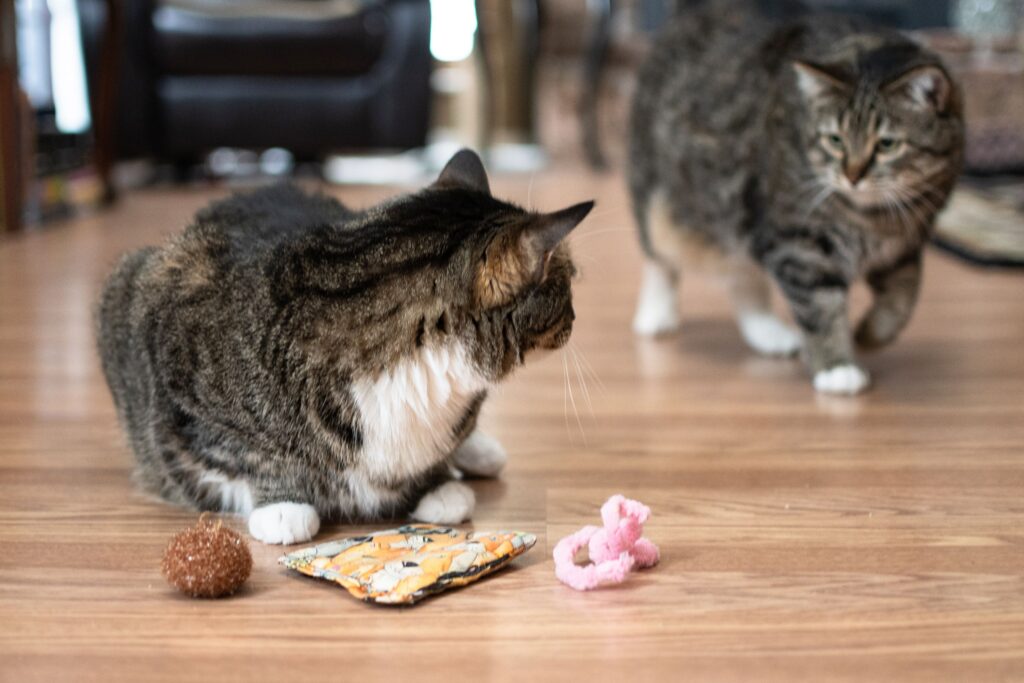
Understanding Feline Dominance: Breaking the Cycle of Fear and Aggression
As a cat owner, have you ever wondered why your feline friend seems to dominate you? Is it the way they claim attention, scratch furniture, or swat at your hands? While it may seem like an insurmountable challenge, understanding feline dominance is key to breaking the cycle of fear and aggression in our homes.
Recognizing Feline Dominance
Feline dominance is a common behavior in cats, especially males. It’s characterized by assertive body language, such as standing tall, arching their back, and puffing out their fur. They may also exhibit dominant behaviors like head-butting, kneading, or pawing at their owners.
Causes of Feline Dominance
So, what triggers feline dominance? There are several factors at play:
- Genetics: Some breeds, like Maine Coons and British Shorthairs, are more prone to dominance due to their history and breeding.
- Environment: A cat’s surroundings can influence its behavior. For example, a cat that feels secure and comfortable in its environment is less likely to exhibit dominant behaviors.
- Socialization: Kittens learn from their mothers and littermates. If they’re not socialized properly, they may develop dominance issues later in life.
Behavioral Signs of Feline Dominance
Watch out for these behavioral signs:
- Aggression: Growling, hissing, or swatting at owners
- Assertive posturing: Standing tall, arching back, or puffing out fur
- Resource guarding: Protecting food, toys, or attention from others
Breaking the Cycle of Feline Dominance
So, how can you break the cycle of feline dominance? Here are some tips:
- Provide a stable environment: Ensure your cat feels secure and comfortable in its surroundings.
- Encourage positive reinforcement training: Reward good behavior with treats and praise.
- Set boundaries: Establish clear rules and consequences for dominant behavior.
Managing Feline Dominance
If you’re dealing with a feline friend that’s exhibiting dominance, here are some tips to manage the situation:
- Stay calm: Avoid reacting aggressively or punishing your cat, as this can escalate the situation.
- Redirect attention: Distract your cat from dominant behavior by offering treats or toys.
- Increase exercise: Engage your cat in playtime activities to burn off excess energy.
The Importance of Spaying/Neutering
Spaying or neutering can significantly reduce feline dominance. This procedure:
- Reduces aggression: Decreases testosterone levels, leading to less aggressive behavior.
- Prevents resource guarding: Reduces the likelihood of resource guarding and territorialism.
Castration: Separating Male and Female Cats
When it comes to male and female cats, castration is a crucial factor in reducing dominance. Intact males are more likely to exhibit dominant behavior, while spayed or neutered females tend to be less aggressive.
The Role of Environmental Enrichment
Environmental enrichment plays a significant role in feline dominance. By providing:
- Stimulation: Toys, puzzle toys, and scratching posts can keep your cat engaged and active.
- Variety: Rotating toys and introducing new objects can prevent boredom and reduce dominant behavior.
Conclusion: Understanding Feline Dominance
Feline dominance is a common behavior in cats, but it’s not impossible to break the cycle. By understanding the causes, recognizing behavioral signs, managing feline dominance, and providing a stable environment, you can create a harmonious home for both you and your feline friend.
FAQs: Feline Dominance
Here are some frequently asked questions about feline dominance:
- Q: How do I know if my cat is dominant?
A: Watch out for assertive posturing, aggression, and resource guarding. - Q: Can I train a dominant cat to behave differently?
A: Yes, with patience, consistency, and positive reinforcement training. - Q: Why does my male cat dominate me?
A: Male cats are more likely to exhibit dominance due to their genetics and environment. - Q: How can I reduce feline dominance in my household?
A: Provide a stable environment, encourage positive reinforcement training, and set boundaries.
Common Misconceptions about Feline Dominance
Some common misconceptions about feline dominance include:
- Myth: Cats only exhibit dominant behavior towards their owners.
- Reality: Cats may exhibit dominant behavior towards other cats or animals in the household as well.
- Myth: Feline dominance is exclusive to male cats.
- Reality: While male cats are more likely to exhibit dominance, spayed or neutered females can also display dominant behaviors.
Overcoming Feline Dominance: A Step-by-Step Guide
Breaking the cycle of feline dominance requires patience, consistency, and positive reinforcement training. Here’s a step-by-step guide:
- Assess your cat’s behavior: Identify any behavioral signs of dominance and take note of triggers.
- Provide a stable environment: Ensure your cat feels secure and comfortable in its surroundings.
- Encourage positive reinforcement training: Reward good behavior with treats and praise.
- Set boundaries: Establish clear rules and consequences for dominant behavior.
- Manage feline dominance: Stay calm, redirect attention, and increase exercise to manage dominant behavior.
Conclusion: Breaking the Cycle of Feline Dominance
Breaking the cycle of feline dominance is a challenging but rewarding process. By understanding the causes, recognizing behavioral signs, managing feline dominance, and providing a stable environment, you can create a harmonious home for both you and your feline friend.


