
As we gaze at the natural world, we often take for granted the incredible creatures that play a vital role in our ecosystem. Among these unsung heroes are bees, which pollinate plants and flowers, ensuring the reproduction of countless species. Unfortunately, bee populations are under severe threat, with some species on the brink of extinction. In this article, we will explore the causes of this crisis, discuss ways to protect bees, and provide practical ideas for individuals to make a difference.
The Alarming Statistics
According to an international research network coordinated by the University of Bern, bee deaths in Europe are increasing annually. The study estimates that one in ten small pollinators is at risk of extinction, while three out of ten species are declining in population. The data also reveals a significant increase in winter bee deaths, as well as more frequent summer mortality.
The Consequences
If the current trend continues, the impact on our environment will be catastrophic. The loss of bees would not only affect agriculture but also have far-reaching consequences for industries such as textiles and construction. Imagine a world without cotton or linen, or buildings made from materials dependent on pollination. The economic implications are devastating.
The Causes
So, what’s behind this alarming trend? Several factors contribute to the decline of bee populations:
- Habitat destruction and fragmentation: As natural habitats are destroyed or fragmented, bees lose their homes and struggle to find food.
- Chemical pollutants from pesticides, herbicides, and fungicides: Exposure to these chemicals can harm bees and disrupt their communication systems.
- Climate change affecting seasonal cycles and reducing pollen and nectar availability: Warmer temperatures and changing precipitation patterns can alter the timing of plant blooms, making it harder for bees to find food.
- Intensive agriculture practices: Monoculture farming and the use of heavy machinery can harm bee habitats and disrupt their social structures.
- Introduction of invasive species, such as the Asian longhorned beetle: Invasive species can outcompete native plants and harm local ecosystems, further threatening bee populations.
Protecting Bees: A Collective Effort
While individual actions may seem insignificant, collective efforts can lead to significant positive change. Governments, institutions, and organizations must take a proactive stance in addressing these issues.
Simple Actions for Individuals
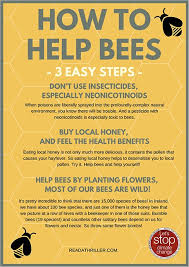
Fortunately, there are numerous ways individuals can contribute to bee conservation:
- Adopting an apiary: Supporting local beekeepers by adopting an apiary allows you to monitor the health of the bees and provide necessary care.
- Planting “bee-friendly” flowers: Planting a variety of flowers that are rich in pollen and nectar, such as sunflowers, lavender, and coneflowers, can create a welcoming habitat for bees.
- Reducing pesticide use: Minimizing the use of pesticides in gardens and lawns can help protect bees from chemical pollutants.
Creating Bee-Friendly Habitats
Gardening can be a great way to support local bee populations. Here are some tips for creating bee-friendly habitats:
- Use native plants: Native plants are more likely to attract native pollinators.
- Avoid invasive species: Invasive species can outcompete native plants and harm local ecosystems.
- Provide a source of water: Bees need water to drink and cool their bodies. Creating a shallow dish or birdbath with fresh water can help support bee populations.
Community-Based Initiatives
Community-based initiatives can also play a crucial role in supporting bee conservation:
- Establishing community gardens: Community gardens can provide a space for individuals to grow “bee-friendly” plants and create habitats for bees.
- Creating pollinator corridors: Pollinator corridors can help connect isolated habitats and allow bees to move freely through the landscape.
- Organizing workshops and events: Workshops and events can raise awareness about bee conservation and provide opportunities for individuals to get involved in local initiatives.
Policy Changes
To effectively address the decline of bee populations, policy changes are necessary:
- Implementing regulations on pesticide use: Regulations can help minimize the impact of pesticides on bee populations.
- Providing support for beekeepers: Governments can provide funding and resources to support local beekeepers and promote sustainable beekeeping practices.
- Protecting natural habitats: Laws and policies can be put in place to protect natural habitats and prevent further destruction.
The Future
The future of bee conservation is uncertain, but there is hope. By working together, we can make a difference in the lives of these incredible creatures.


