
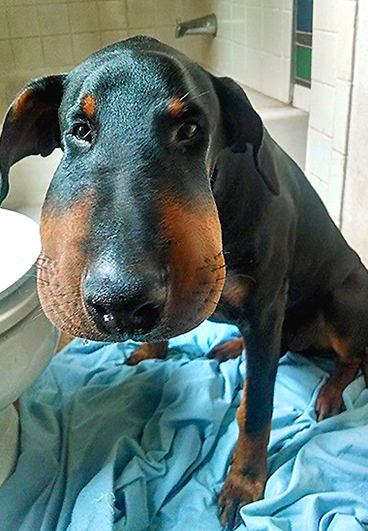
As the summer months approach, dog owners become increasingly aware of the potential dangers that come with having pets that love to explore the outdoors. One of the most common and potentially serious risks is a bee sting to your furry friend.
Bee stings can be a frightening experience for both dogs and their owners. While some dogs may only experience minor discomfort after being stung, others may develop more severe allergic reactions that require immediate medical attention. In this article, we’ll delve into the dangers of bee stings on dogs, discuss how to identify and treat them, and provide tips on preventing future incidents.
What Happens When a Dog Gets a Bee Sting?
When a bee stings a dog’s mouth or nose, it can cause severe pain and discomfort. If left untreated, the sting can lead to more serious complications, such as swelling of the airways, difficulty breathing, and even anaphylaxis – a life-threatening allergic reaction.
Anaphylaxis is a severe, whole-body allergic reaction that requires immediate medical attention. Symptoms may include:
- Difficulty breathing or swallowing
- Swelling of the face, lips, tongue, or throat
- Abdominal cramps
- Nausea and vomiting
- Rapid heartbeat
If you suspect your dog has developed anaphylaxis after being stung, call your veterinarian or a pet emergency hotline immediately.
Distinguishing Between Minor and Major Bee Stings
While minor bee stings on the outside of a dog’s mouth or lip may only cause mild pain and discomfort, those that occur in the mouth or nose can be much more serious. In these cases, it’s essential to seek veterinary attention immediately.
Minor bee stings may manifest as:
- Mild redness and swelling
- Itching or minor pain
- A small, raised bump
On the other hand, major bee stings can cause more severe symptoms, including:
- Severe swelling of the face, lips, tongue, or throat
- Difficulty breathing or swallowing
- Abdominal cramps
- Nausea and vomiting
- Rapid heartbeat
How to Treat Minor Bee Stings
For minor bee stings that are not in the mouth or nose, applying a mixture of water and baking soda (or an over-the-counter antihistamine) can help alleviate pain and reduce swelling. You can also try soaking a cloth in warm water, wringing it out, and applying it to the affected area.
If your dog’s minor bee sting is severe or becomes infected, consult with your veterinarian for further treatment.
What to Do If Your Dog Swallows a Bee Sting
If your dog swallows a bee sting or has difficulty breathing due to a severe allergic reaction, seek immediate veterinary attention. In some cases, administering epinephrine using an EpiPen can help alleviate symptoms until you reach a hospital.
Your veterinarian may also recommend the following treatments:
- Epinephrine injection (if available)
- Oxygen therapy
- Intravenous fluids and medications
Identifying Allergic Reactions in Dogs
It’s crucial to recognize the signs of an allergic reaction in dogs caused by bee stings. While minor reactions may manifest as itching or redness, more severe symptoms include difficulty breathing, vomiting, diarrhea, and even seizures.
Some common signs of an allergic reaction in dogs include:
- Increased heart rate
- Pale gums
- Blue-tinged lips and tongue
- Restlessness or agitation
- Inability to urinate
If you suspect your dog has developed an allergic reaction after being stung, seek immediate veterinary attention.
How Veterinarians Diagnose Bee Sting Reactions in Dogs
Veterinarians use a combination of clinical examination, medical history, and physical examinations to diagnose allergic reactions caused by bee stings. They may also perform blood tests or other diagnostic procedures to confirm the presence of anaphylaxis.
Some common diagnostic tests used by veterinarians include:
- Physical examination
- Medical history
- Blood tests (to detect allergen-specific IgE antibodies)
- Skin prick testing (to assess allergic reaction severity)
Preventing Future Bee Sting Incidents
While it’s impossible to completely eliminate the risk of future bee sting incidents, taking certain precautions can help minimize the likelihood:
- Keep your dog indoors when bees are present
- Avoid areas with high bee activity, such as fields or gardens
- Supervise your dog during outdoor activities
- Teach your dog to avoid approaching bees
Additional Precautions: Vespa and Wasp Stings
While not as common as bee stings, vespa and wasp stings can also pose serious risks to dogs. These insects may sting multiple times, increasing the risk of anaphylaxis.
Vespa and wasp stings are often similar in appearance to those from bees and may cause similar symptoms. However, some key differences include:
- Vespa stings: Typically more painful than bee stings
- Wasp stings: Often occur on exposed skin (face, neck, or legs)
If you suspect your dog has been stung by a vespa or wasp, seek veterinary attention immediately.
Conclusion
Bee stings can be a potentially life-threatening risk for dogs, especially those that are allergic to insect venom. By understanding the signs of minor and major bee sting reactions, knowing how to treat them, and taking steps to prevent future incidents, you can help keep your furry friend safe this summer.
Remember, if you suspect your dog has developed an allergic reaction after being stung, seek immediate veterinary attention. With prompt treatment and proper care, many dogs recover from bee stings without long-term complications.
Frequently Asked Questions
- What should I do if my dog gets a bee sting?
- If the sting is minor, apply a mixture of water and baking soda (or an over-the-counter antihistamine). If the sting is in the mouth or nose, seek immediate veterinary attention.
- Can dogs develop anaphylaxis from bee stings?
- Yes, bees can cause anaphylactic reactions in some dogs, which can be life-threatening if not treated promptly.
- How do I prevent my dog from getting a bee sting?
- Keep your dog indoors when bees are present, avoid areas with high bee activity, and supervise your dog during outdoor activities.
- What is the difference between a bee sting and an allergic reaction?
- A bee sting causes pain and swelling, while an allergic reaction can lead to difficulty breathing, vomiting, diarrhea, and even seizures.
- Can dogs get multiple bee stings at once?
- Yes, some bees may sting multiple times, increasing the risk of anaphylaxis.
By understanding the risks and taking steps to prevent them, you can help keep your furry friend safe from the dangers of bee stings this summer.


