
The Magic of Colors: Understanding How We See
Have you ever wondered why we see colors? The answer may seem obvious, but the process behind it is complex and fascinating. When we look at an object, our brain combines the light it reflects with what our eyes perceive to create the color we see. This is a remarkable feat that showcases the intricate relationship between our senses.
The Science of Color Perception
Colors are formed in us, a result of the collaboration between our eye and mind. The eye captures light and sends a message to the brain, which interprets it as a specific color. This process wasn’t discovered recently; even Newton understood that color is not inherent to objects but rather a product of how we perceive them through our eyes and brains.
How Colors Are Formed
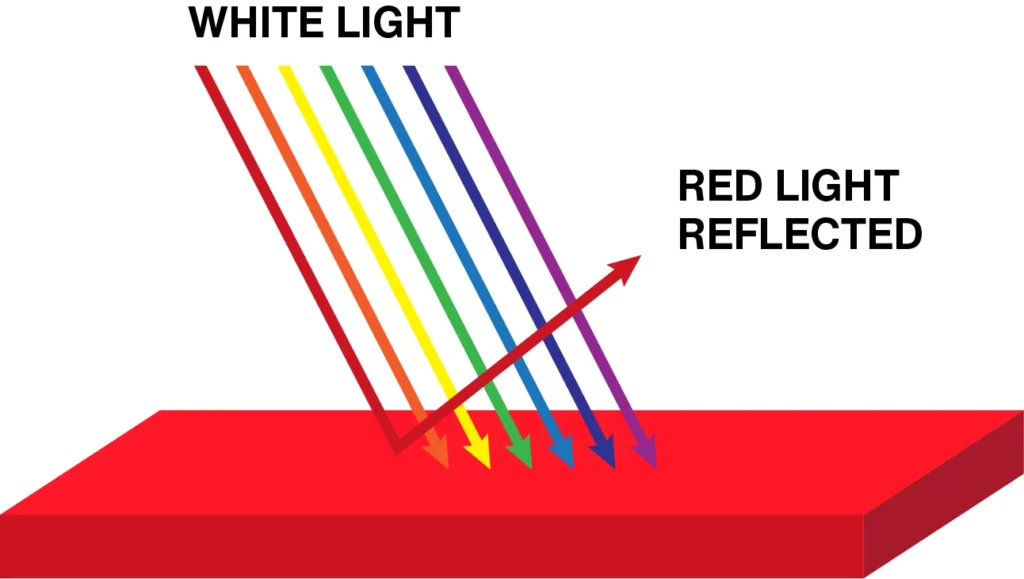
The surface of any object can either absorb or reflect different wavelengths of light. When we see an object, it’s because the reflected wavelengths are being perceived by us. For instance, an apple appears green because its leaves absorb most colors except for green. On the other hand, white is formed when all wavelengths of visible light are reflected towards our eyes.
The Color Triangle
By mixing different combinations of primary colors—red, green, and blue—we can create a wide range of colors. These three colors form the base of the color triangle, from which all other hues can be derived. Understanding this principle also allows us to recognize how colored light affects our perception.
How Our Eyes Process Color
When light enters our eyes, it hits two types of photoreceptor cells: rods and cones. Rods are responsible for detecting black and white images and are concentrated on the edges of our retina, while cones are more sensitive to colors and are found at the center of our retinas. There are three types of cone cells, each sensitive to different wavelengths (long, medium, short), working together to create a complete color image.
Understanding Color Perception Deficiencies
Most people see better in warm colors than cool ones due to the higher sensitivity of their cones to longer wavelengths, which corresponds to reds, oranges, and yellows. However, individuals with certain vision impairments might have difficulty distinguishing between red and black or other shades. The complexity of color perception highlights how diverse our sensory experiences can be.
Animal Vision: Beyond Human Color Perception
Animals perceive colors differently from humans, some seeing more vividly while others have limited color ranges. Insects like butterflies and bees see ultraviolet light, which is invisible to us, aiding their navigation and finding nectar-rich flowers. On the other hand, nocturnal animals rely on low light sensitivity for survival.
Fascinating Facts About Color Perception
- Color Blindness: Approximately 8% of males have red-green color blindness due to a mutation in the genes responsible for cone cell function.
- Tetrachromacy: Some individuals, mostly women, possess four types of cones instead of three, allowing them to perceive a wider range of colors.
- Color Vision in Children: Newborn babies can see only shades of gray, but their color vision develops rapidly during the first few years of life.
How Colors Affect Our Emotions and Perception
Colors have been shown to evoke strong emotional responses across cultures, influencing our mood and behavior. Different colors are associated with various emotions such as:
- Red: Energy, passion
- Orange: Warmth, excitement
- Yellow: Happiness, optimism
- Green: Calmness, growth
- Blue: Trust, serenity
- Purple: Luxury, creativity
Art and Design Using Color
Colors play a vital role in art and design, allowing artists to evoke emotions and convey meaning. By understanding color theory and perception, designers can create visually appealing and effective compositions.
Books for Further Reading
For a deeper dive into this fascinating topic, check out these book recommendations:
- Cromorama: How Color Changed Our Perspective
- Colorama – My Chromatic Palette
- The Art of Color: A Guide to the Colors of Art
- Color Theory: An Essential Guide for Artists
These books delve into various aspects of color perception and how it has impacted our understanding of the world.
Frequently Asked Questions (FAQs)
- What is the primary function of the rods in the retina?
- Rods are responsible for detecting black and white images.
- How do animals perceive colors differently from humans?
- Animals have varying levels of color sensitivity, some seeing ultraviolet light, while others rely on low light or limited color ranges.
- What happens when an object absorbs certain wavelengths of light?
- The absorbed wavelengths are not visible to us but can be inferred by observing the reflected colors.
- Why do we see warm colors better than cool ones?
- Humans have a higher sensitivity to longer wavelengths (red, orange, yellow), which corresponds to warm colors.
- Can someone with a color perception deficiency distinguish between red and black?
- In some cases, yes; however, this is not always the case, as individuals may struggle more with distinguishing shades of gray or similar hues.
In conclusion, seeing colors involves an intricate process that our brain and eyes work together to decipher. Understanding how we perceive colors not only adds a new layer of appreciation for the world around us but also opens up insights into the remarkable diversity in color perception across different species.


