
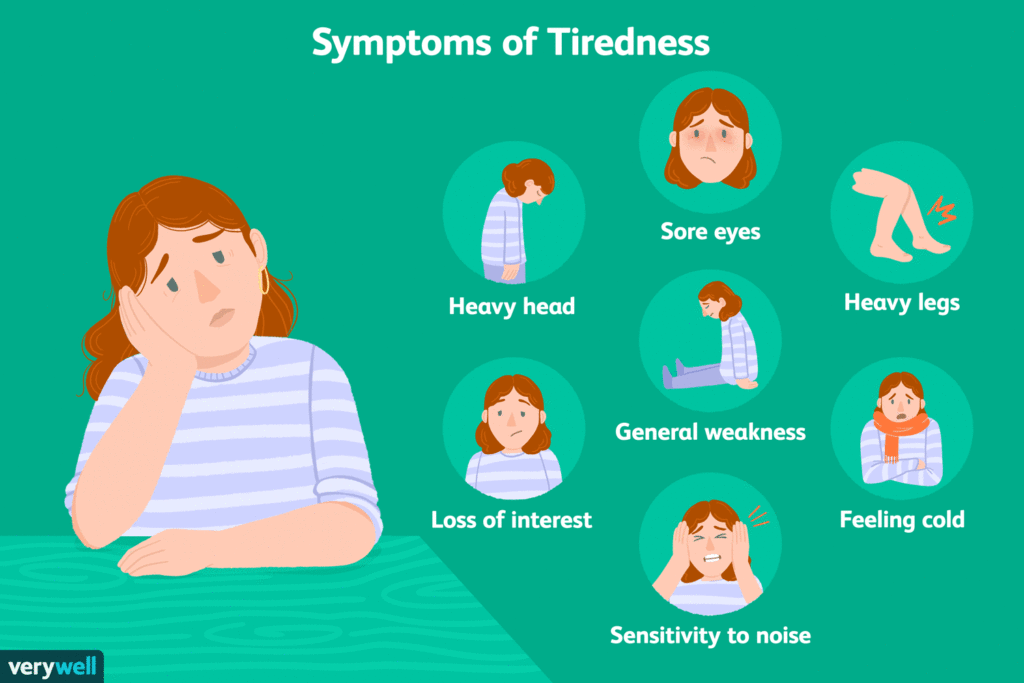
Are you tired all the time? Whether you sleep for 9 hours or just 5, there are times when we feel an overwhelming urge to rest and struggle with both physical and mental fatigue. In these moments, the question that comes to mind is: “Why am I always so tired?” The answer lies not in a simple solution like a nice nap on the weekend, but rather in understanding our lifestyle habits and making conscious changes.
Understanding the Connection Between Sleep, Diet, and Lifestyle
Let’s start by looking at the basics. We all know that sleeping for 7-8 hours at night is essential for physical and mental rejuvenation. However, there are many factors that affect the quality of our sleep. Regular sleep patterns, comfort, and a conducive environment are crucial for effective rest. Moreover, the timing of our sleep can have an impact on our circadian rhythms, making it difficult to adjust if we’re constantly changing our schedules.
Quality matters more than quantity when it comes to sleep. We often focus on the hours spent in bed rather than how rested we feel upon waking up. Factors such as a comfortable sleeping environment, lack of disturbances during the night (like snoring or light), and proper digestion also play a significant role in determining the quality of our rest.
Our diet has a profound impact on our energy levels. A balanced diet that includes a variety of nutrient-rich foods can help regulate our metabolism and give us sustained energy throughout the day. Conversely, consuming high-sugar foods like white bread or processed snacks can lead to energy crashes and feelings of exhaustion. The relationship between diet and fatigue is complex, but understanding what we eat can help identify potential causes.
The Role of Hydration in Energy Levels
Dehydration is often overlooked as a cause of fatigue, but it’s a significant contributor to our overall well-being. Even mild dehydration can lead to feelings of tiredness, headaches, and decreased cognitive function. Drinking enough water throughout the day is essential, especially when we’re physically active or live in hot climates.
Assessing Our Lifestyle Habits
Once we’ve addressed sleep quality, diet, and hydration, it’s time to examine our lifestyle habits. A sedentary lifestyle can lead to a decrease in energy levels, as our bodies are not receiving the physical activity they need to function optimally. Incorporating regular exercise, such as walking or yoga, can help improve circulation, boost mood, and increase energy.
Exposure to natural light is also crucial for maintaining healthy energy levels. When we’re exposed to sunlight, especially in the morning, it helps regulate our circadian rhythms, which can lead to improved sleep quality, increased alertness, and enhanced overall well-being.
Managing Stress and Anxiety
Lastly, stress and anxiety play a significant role in fatigue. When we’re constantly preoccupied with worries or concerns, our brains go into overdrive, leading to feelings of exhaustion. Practicing mindfulness techniques like meditation or deep breathing can help calm the mind and reduce stress levels.
By incorporating these strategies into our daily lives, we can begin to identify and address the underlying causes of fatigue. Remember that it’s not just about quantity; it’s about quality. By making conscious changes to our lifestyle habits, we can regain our energy, improve our overall well-being, and live a more balanced life.
Frequently Asked Questions
-
Q: How much sleep do I need to feel rested?
A: While the general recommendation is 7-8 hours of sleep per night, individual needs may vary depending on factors like age, lifestyle, and physical activity level. It’s essential to listen to your body and adjust your sleep schedule accordingly. -
Q: What’s the best way to improve my sleep quality?
A: Establish a consistent sleep schedule, create a relaxing bedtime routine, and optimize your sleep environment by ensuring it’s dark, quiet, and cool. Avoid screens before bedtime, as the blue light emitted can interfere with your sleep patterns. -
Q: Can diet really affect energy levels?
A: Yes, a balanced diet that includes nutrient-rich foods can help regulate metabolism, provide sustained energy, and support overall health. A well-planned diet can also help you maintain a healthy weight, which is essential for maintaining energy levels. -
Q: How important is hydration in maintaining energy levels?
A: Drinking enough water throughout the day is essential for physical performance, cognitive function, and overall well-being. Aim to drink at least eight glasses of water per day, and adjust your intake based on your activity level and climate. -
Q: Can exercise really boost my energy levels?
A: Yes, regular physical activity can improve circulation, increase mood, and enhance overall energy levels by promoting physical health and mental well-being. Aim for at least 30 minutes of moderate-intensity exercise per day to see noticeable improvements in your energy levels. -
Q: How can I reduce stress and anxiety to regain my energy?
A: Practicing mindfulness techniques like meditation or deep breathing, engaging in relaxation exercises, and establishing a consistent sleep schedule can help manage stress and anxiety. Additionally, consider seeking professional help from a therapist or counselor if you’re struggling with persistent mental health issues. -
Q: What are some healthy alternatives to sugary snacks that can help regulate energy levels?
A: Opt for nutrient-rich foods like fruits, vegetables, whole grains, lean proteins, and healthy fats to maintain stable energy levels throughout the day. Avoid sugary snacks, which can lead to energy crashes and fatigue. -
Q: Can dehydration cause fatigue?
A: Yes, mild dehydration can lead to feelings of tiredness, headaches, and decreased cognitive function. Drinking enough water is essential for maintaining energy levels and overall health. Consider keeping a water bottle with you throughout the day to stay hydrated.
Additional Tips for Improving Energy Levels
In addition to addressing sleep quality, diet, hydration, lifestyle habits, and stress management, consider incorporating these additional tips into your daily routine:
-
Get enough morning sunlight: Exposure to natural light in the morning helps regulate our circadian rhythms, which can lead to improved sleep quality, increased alertness, and enhanced overall well-being.
-
Practice self-care: Engage in activities that bring you joy and relaxation, such as reading, meditation, or spending time with loved ones.
-
Avoid overexertion: Listen to your body and take regular breaks throughout the day to rest and recharge.
-
Stay organized: Prioritize tasks, set realistic goals, and use a planner or app to stay on track and reduce stress levels.
-
Seek professional help: If you’re struggling with persistent fatigue, consult with a healthcare professional to rule out underlying medical conditions that may be contributing to your exhaustion.
By incorporating these strategies into our daily lives, we can regain our energy, improve our overall well-being, and live a more balanced life. Remember, it’s not just about quantity; it’s about quality.


