
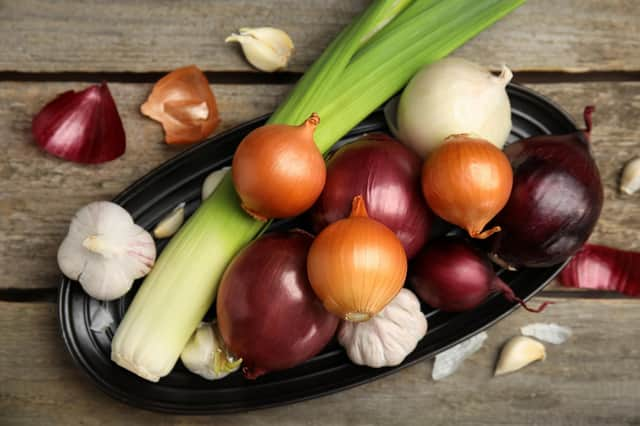
Garlic, onion, and leek are members of the Allium family and have been prized for their culinary and medicinal properties for centuries. While some may find them too pungent or overpowering, the benefits they offer make them a valuable addition to our diets.
The History Behind Garlic, Onion, and Leek
In ancient times, people didn’t shy away from enjoying these bulbs, and instead, utilized their unique flavors and aromas to create delicious dishes. The Egyptians, Greeks, and Romans all revered garlic, onion, and leek for their medicinal properties and used them to ward off illnesses.
The use of garlic in medicine dates back to ancient civilizations, where it was believed to have antibacterial and antiviral properties. In the 19th century, garlic was used to treat a range of ailments, including the plague, cholera, and syphilis. Today, garlic remains a popular natural remedy for various health issues.
Onion’s history as a medicinal herb dates back to ancient Greece, where it was used to treat a range of conditions, including indigestion and respiratory issues. The Greeks also believed that onions had purifying properties, which is why they were often buried with their dead to protect them from evil spirits.
Leeks have been used for centuries in traditional medicine, particularly in Europe. They were believed to have anti-inflammatory properties and were used to treat a range of conditions, including arthritis and digestive issues.
Why Eat Garlic?
Garlic is an effective natural antibiotic, making it a staple in many cuisines worldwide. When consumed cooked or raw, it aids the immune system in fighting infections, particularly those affecting the respiratory tract. Its iodine content also helps treat thyroid-related issues, while its high levels of vitamin C and B6 support overall health.
Garlic’s antibacterial properties make it an excellent addition to our diets, especially when battling gastrointestinal infections. Additionally, its ability to regulate cholesterol levels and prevent atherosclerosis makes it an excellent choice for heart health. For pregnant women, garlic is said to promote healthy weight gain during pregnancy.
Research has also shown that garlic may have anti-cancer properties, particularly in the prevention of stomach cancer. This is due to its high content of sulfur compounds, which are believed to inhibit the growth of cancer cells.
Why Eat Onion?
Onion’s infamous odor is often seen as a drawback, but those who have tried it will attest to its numerous benefits. Rich in vitamins C and E, onion also boasts a wealth of minerals like selenium, iodine, and zinc. Its diuretic properties make it an excellent remedy for swelling and congestion.
As an antiemetic, onion helps alleviate nausea and vomiting. Its antibacterial properties also aid in digestion and support the immune system. Furthermore, onion’s ability to regulate blood sugar levels makes it an excellent choice for those with diabetes.
Onion has also been shown to have antioxidant properties, which can help protect against cell damage and reduce the risk of chronic diseases like heart disease and cancer.
Why Eat Leek?
Leek is often overlooked, but its nutritional value shouldn’t be underestimated. A nutrient-rich, low-calorie vegetable packed with vitamins A, B6, C, and K, leek also contains essential minerals like manganese and iron. Its high water content makes it a refreshing addition to salads or soups.
Leeks have been shown to aid digestion by stimulating the production of bile and promoting healthy gut bacteria. They also possess antibacterial properties, making them an excellent choice for maintaining a balanced immune system. In summer, leeks help regulate fluid retention and ensure adequate potassium intake.
Leeks are also rich in prebiotic fibers, which can help support the growth of beneficial gut bacteria. This is particularly important for individuals with digestive issues or those who struggle to maintain a healthy gut microbiome.
The Science Behind Garlic’s Health Benefits
Garlic contains a range of compounds that contribute to its health benefits, including:
- Allicin: A sulfur compound responsible for garlic’s characteristic flavor and aroma.
- Quercetin: An antioxidant flavonoid that has anti-inflammatory properties.
- Vitamins C and B6: Essential nutrients that support immune function and overall health.
When consumed in moderation, garlic can help reduce the risk of chronic diseases like heart disease, cancer, and diabetes. It may also have anti-cancer properties, particularly in the prevention of stomach cancer.
The Science Behind Onion’s Health Benefits
Onion contains a range of compounds that contribute to its health benefits, including:
- Quercetin: An antioxidant flavonoid with anti-inflammatory properties.
- Polyphenols: Antioxidants that can help protect against cell damage and reduce the risk of chronic diseases.
- Fiber: A prebiotic fiber that supports healthy gut bacteria.
Onion has also been shown to have anti-diabetic effects, particularly in reducing blood sugar levels and improving insulin sensitivity. This makes it an excellent choice for individuals with type 2 diabetes or those at risk of developing the condition.
The Science Behind Leek’s Health Benefits
Leeks contain a range of compounds that contribute to its health benefits, including:
- Vitamins A, C, and K: Essential nutrients that support immune function, eye health, and bone health.
- Folate: A B vitamin essential for healthy red blood cells and fetal development during pregnancy.
- Fiber: A prebiotic fiber that supports healthy gut bacteria.
Leeks have also been shown to have anti-inflammatory properties, particularly in reducing inflammation and improving symptoms of arthritis. This makes them an excellent choice for individuals with inflammatory conditions or those looking to reduce their risk of chronic diseases.
Conclusion
Garlic, onion, and leek may not be everyone’s cup of tea, but their unique flavors and aromas are undeniable. With a rich history of culinary and medicinal use, it’s time to reconsider these often-overlooked vegetables. Whether you’re looking to boost your immune system or regulate blood sugar levels, incorporating garlic, onion, and leek into your diet can have a significant impact on overall health.
Frequently Asked Questions
- Is eating garlic too pungent?
While some people may find garlic’s aroma overwhelming, there are many ways to enjoy it without experiencing the infamous “garlic breath.” Try using garlic-infused oils or cooking garlic in moderation. - Can I consume onion raw?
Yes! Raw onions can be a delicious addition to salads and sandwiches. However, consuming too much raw onion can lead to digestive issues. Start with small amounts and adjust to taste. - How do I choose the best leek for cooking?
When selecting leeks, look for those with tightly closed leaves and a firm, white base. Avoid those with yellow or browned leaves, as they may be past their prime. - Can garlic lower blood pressure?
While garlic has been shown to have various health benefits, its impact on blood pressure is still being studied. Moderate consumption (1-2 cloves per day) is recommended for optimal results. - Are leeks a good source of fiber?
Yes! Leeks are an excellent source of dietary fiber, making them an excellent addition to a high-fiber diet. - Can onion help with allergies?
While onions have been traditionally used as a natural remedy for allergy symptoms, their effectiveness is still being researched. Consult with a healthcare professional before using onion as a treatment for allergies. - How do I incorporate garlic into my cooking?
Try using garlic-infused oils or sauces to add flavor without the intense aroma. You can also sauté garlic in moderation, allowing its flavors to mellow out. - Can leeks be used in soups and stews?
Absolutely! Leeks are a versatile ingredient that pairs well with many other vegetables. Try using them in place of onions or as an addition to your favorite soup recipe.
By incorporating garlic, onion, and leek into our diets, we can unlock their health benefits and improve overall well-being. Whether you’re looking to boost your immune system, regulate blood sugar levels, or simply add more flavor to your meals, these often-overlooked vegetables are definitely worth considering.


