
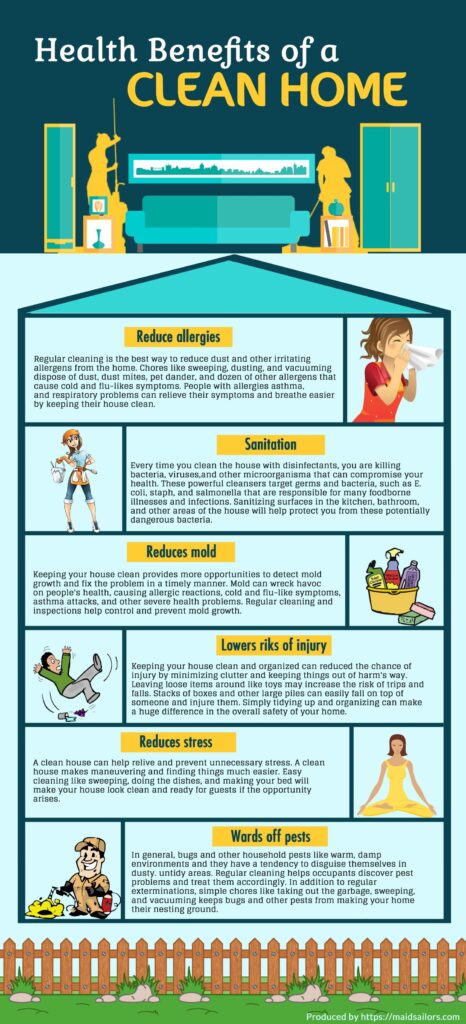
Have you ever found yourself feeling anxious or stressed while cleaning, only to emerge from the task with a sense of satisfaction and a big smile on your face? I’m not ashamed to admit that I’m not a fan of household chores, but somehow, doing them can have a profound impact on my mood and overall well-being.
Let’s explore some of the benefits of cleaning, both for our emotional state and for our physical health. We’ll delve into how a cluttered environment can affect our mental health, how tidying up can improve our sleep quality, and how cleaning can even boost our creativity and productivity.
The Connection Between Cleaning and Emotional Well-being
When we’re surrounded by clutter and disorganization, it can have a profound impact on our emotional state. The visual chaos can stimulate the production of stress hormones like cortisol, which can lead to feelings of anxiety and depression. On the other hand, when our surroundings are tidy and organized, we’re more likely to feel calm and relaxed.
Research has shown that a clutter-free environment can even improve our mood by increasing the levels of serotonin in our brain. Serotonin is often referred to as the “feel-good” hormone, and it plays a crucial role in regulating our emotions and overall sense of well-being.
For example, studies have found that people who live in tidy homes tend to have lower levels of cortisol and higher levels of serotonin than those who live in cluttered environments. This is because the brain is wired to respond positively to order and organization, which can help reduce stress and anxiety.
The Benefits of Cleaning for Sleep Quality
A clean and organized bedroom is essential for getting a good night’s sleep. When we’re surrounded by clutter and mess, it can be difficult to wind down and relax before bed. A study published in the Journal of Sleep Research found that people who lived in cluttered environments were more likely to experience insomnia and other sleep disorders.
On the other hand, a tidy bedroom can help improve our sleep quality by reducing stress and anxiety. When we feel calm and relaxed, we’re more likely to fall asleep quickly and wake up feeling refreshed and rejuvenated.
In addition to improving sleep quality, cleaning can also help reduce symptoms of anxiety and depression. For example, research has shown that people who engage in regular cleaning activities tend to have lower levels of anxiety and depression than those who do not.
The Impact of Cleaning on Our Creativity and Productivity
Working in a cluttered and disorganized office space can stifle our creativity and productivity. A study published in the Journal of Environmental Psychology found that people who worked in tidy offices were more creative and productive than those who worked in cluttered environments.
When we’re surrounded by clutter, it can be difficult to focus and concentrate on our work. We may find ourselves getting distracted by piles of paperwork or scattered notes, which can lead to decreased productivity and increased stress.
On the other hand, a clean and organized workspace can help us tap into our creative potential. When we’re able to focus and concentrate without distractions, we’re more likely to come up with innovative ideas and solutions.
In addition to improving creativity and productivity, cleaning can also help reduce symptoms of burnout and exhaustion. For example, research has shown that people who engage in regular cleaning activities tend to have lower levels of burnout and exhaustion than those who do not.
The Economic and Environmental Benefits of Cleaning
Cleaning can also have a positive impact on our wallet and the environment. When we keep our belongings organized and tidy, they’re less likely to get damaged or lost, which means we don’t need to replace them as often. This can save us money in the long run.
Additionally, cleaning can help reduce waste and minimize our environmental footprint. When we keep our homes and offices clean and clutter-free, we’re less likely to throw away items that are still useful, which reduces the amount of waste that ends up in landfills.
In fact, research has shown that cleaning can even lead to cost savings for businesses and organizations. For example, a study published in the Journal of Facilities Management found that companies that implemented regular cleaning routines experienced significant cost savings on supplies and maintenance.
Getting Started with Cleaning
So, where do you start when it comes to cleaning? The first step is to take control of your schedule and commit to a regular cleaning routine. Set aside a specific time each week or month to clean and organize your space.
It’s also essential to break down larger tasks into smaller, manageable chunks. For example, instead of trying to clean the entire house in one day, start with one room at a time.
As you begin to clean, remember that it’s not just about getting rid of clutter; it’s also about creating a space that promotes well-being and relaxation. By focusing on the benefits of cleaning and how it can impact our emotional state and overall health, we can make the process more enjoyable and rewarding.
Tips for Creating a Cleaning Routine
- Start small: Begin with one room or area at a time to avoid feeling overwhelmed.
- Schedule it in: Set aside a specific time each week or month to clean and organize your space.
- Break it down into tasks: Divide larger tasks into smaller, manageable chunks to make the process more enjoyable.
- Focus on high-traffic areas: Pay attention to areas that are used most frequently, such as entryways and living spaces.
- Don’t forget about hidden spaces: Clean and organize areas like closets, cupboards, and drawers to reduce clutter and improve organization.
FAQs
Q: Why is cleaning so important for my mental health?
A: Cleaning can have a profound impact on our emotional state. A cluttered environment can stimulate the production of stress hormones, while a tidy space can increase serotonin levels, leading to improved mood and overall well-being.
Q: How can I improve my sleep quality by cleaning my bedroom?
A: A clean and organized bedroom is essential for getting a good night’s sleep. Remove any clutter or distractions from your bed, and establish a relaxing bedtime routine to help you wind down before sleep.
Q: Can cleaning boost my creativity and productivity?
A: Yes! Working in a tidy office space can improve our creativity and productivity. By removing distractions and decluttering our workspace, we can focus on our work and achieve greater success.
Q: How can I save money by keeping my belongings organized?
A: When you keep your belongings organized, they’re less likely to get damaged or lost, which means you won’t need to replace them as often. This can save you money in the long run.
Q: What are some tips for getting started with cleaning and organizing my space?
A: Start by taking control of your schedule and committing to a regular cleaning routine. Break down larger tasks into smaller, manageable chunks, and focus on one room at a time.
Q: Can cleaning help reduce waste and minimize our environmental footprint?
A: Yes! By keeping our homes and offices clean and clutter-free, we’re less likely to throw away items that are still useful, which reduces the amount of waste that ends up in landfills.
Q: How often should I clean my home or office?
A: The frequency of cleaning will depend on your personal needs and preferences. Establish a regular cleaning routine that works for you, whether it’s weekly, monthly, or quarterly.
Q: Can cleaning really make me feel better about myself?
A: Absolutely! When we create a space that promotes well-being and relaxation, we’re more likely to feel good about ourselves and our abilities. Cleaning can be a therapeutic activity that helps us clear our minds and focus on the present moment.


