
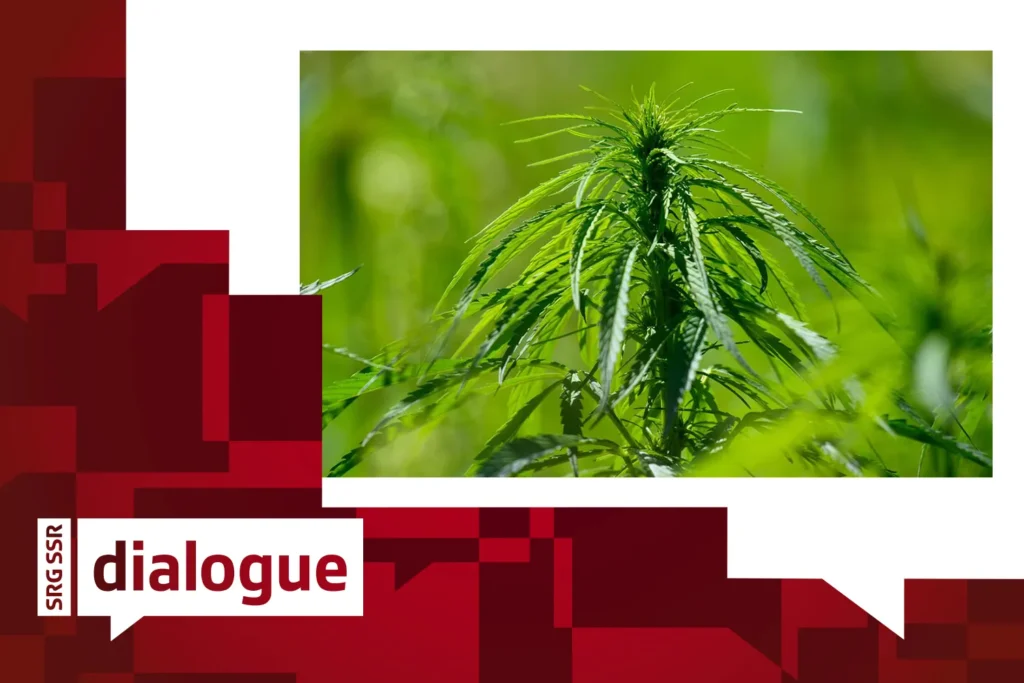
As a global leader in the cannabis industry, Switzerland has made headlines recently with the emergence of pre-rolled joints made from cannabis. But what’s behind this trend? How does it relate to the country’s stance on psychoactive substances? In this article, we’ll delve into the world of CBD and explore why it’s become an integral part of Swiss law.
The Legally Permissible Aspect of Cannabis in Switzerland
Unlike many other Western countries, Switzerland treats cannabis as a substance with some redeeming qualities. While THC is still considered a psychoactive substance, cannabis containing less than 1% THC is perfectly legal for consumption by anyone over the age of 16.
This is because CBD (cannabidiol), the non-psychoactive compound found in cannabis, has gained significant attention for its potential therapeutic benefits. Research into CBD’s effects on mental health issues and other conditions continues to grow, making it a promising area of study.
The Swiss approach to cannabis highlights the country’s focus on balancing regulation with scientific understanding. By permitting the production, sale, and consumption of CBD-rich products, Switzerland has created an environment conducive to innovation and research.
The Boom in CBD-Related Industries
Switzerland’s liberal stance on cannabis has attracted significant investment from the global industry. The past few years have seen a surge in investments, resulting in the country becoming one of Europe’s leading producers of CBD-infused goods.
Companies like Justbob.ch are now selling a wide range of products based on cannabis, including oils, capsules, dietary supplements, cosmetics, and vaporizers. These businesses operate both online and offline, taking advantage of Switzerland’s regulatory framework to reach consumers across the continent.
Taxes and Regulations
One of the most striking aspects of Switzerland’s CBD-friendly approach is its tax system. Unlike many other countries, there isn’t a special regime for cannabis-related products; they fall under standard taxation laws.
However, businesses involved in the sale of CBD-infused goods must comply with tobacco taxes when selling smokable products. Beyond this, regulations are largely straightforward, allowing entrepreneurs to operate freely within defined guidelines.
A New Era for Cannabis in Switzerland
As a result of these favorable conditions, cannabis and CBD-related industries have experienced rapid growth in recent years. The market is expected to continue expanding at an impressive pace, with projected sales reaching $320 million by the end of 2025 – up from current levels of around $60 million.
This burgeoning sector has spawned numerous businesses catering to diverse customer needs, offering a wide range of products and services that cater to both therapeutic requirements and recreational interests. Despite this growth, however, it’s crucial to remember that CBD-infused goods are still subject to local laws regarding smoking bans.
CBD: The Therapeutic Alternative
With an increasing number of studies confirming the potential benefits of CBD in treating various conditions, its popularity is set to rise. As a result, more individuals are turning towards this non-psychoactive compound as a treatment option for mental health issues and other ailments.
While it’s essential to consult healthcare professionals before using any therapeutic products, the growth of CBD research underscores the significant interest in harnessing its potential benefits.
Key Considerations: The Impact on Society
As the cannabis industry continues to expand, there are concerns surrounding its social implications. While many welcome the emergence of a legitimate market, others worry about potential increases in substance abuse or other negative effects.
To mitigate these risks, governments must strike a balance between encouraging innovation and preserving public health. Regulation that prioritizes responsible business practices will be crucial to ensuring the long-term success of this rapidly evolving industry.
The Role of Research in Shaping Swiss Cannabis Policy
Research plays a vital role in shaping Switzerland’s approach to cannabis. By conducting studies on CBD’s effects, scientists can provide valuable insights into its potential therapeutic applications and risks.
Moreover, research initiatives are essential for establishing a robust understanding of the long-term consequences associated with cannabis consumption. This knowledge will help policymakers make informed decisions about regulating this substance and promoting public health.
Addressing Social Concerns: The Need for Responsible Regulation
As Switzerland’s CBD industry continues to grow, it is crucial that regulatory bodies address concerns surrounding substance abuse and other social issues. By prioritizing responsible regulation, governments can ensure that the industry remains safe and beneficial for consumers.
This may involve implementing measures such as strict quality control standards, age restrictions, and limits on advertising and marketing. Governments must also engage in open dialogue with stakeholders to identify potential risks and develop effective mitigation strategies.
The Future of Swiss Cannabis: Trends and Insights
Looking ahead, several trends are likely to shape the future of Switzerland’s cannabis industry. These include:
- Increased investment from major players: As more companies become involved, we can expect to see improved quality control, expanded product offerings, and a greater focus on research and development.
- Growing demand for CBD products: As awareness about the potential benefits of CBD continues to rise, we can anticipate increased consumer interest in these products.
- Expansion into new markets: Switzerland’s strategic location makes it an ideal hub for exporting CBD-infused goods across Europe.
- The emergence of new business models: Innovative entrepreneurs are likely to develop novel approaches to selling cannabis-related products, such as subscription services and delivery options.
Conclusion
In conclusion, Switzerland’s approach to cannabis highlights the importance of balancing regulation with scientific understanding. By focusing on CBD-rich products, the country has created an environment conducive to innovation and research, paving the way for a more comprehensive reevaluation of psychoactive substances.
As we look towards the future, it is crucial that policymakers address concerns surrounding substance abuse while ensuring that this industry contributes positively to society as a whole.
Frequently Asked Questions (FAQs)
-
Q: What percentage of THC can I consume in Switzerland?
A: According to Swiss law, consumers over 16 can legally consume cannabis products with less than 1% THC content. -
Q: Can I sell CBD-infused goods online without a license?
A: While no special permit is required for selling CBD-related products, it’s advisable to consult local regulations and consider obtaining necessary licenses. -
Q: Are there specific health considerations when consuming cannabis or CBD-rich products?
A: Yes, individuals should be aware of potential side effects and engage with healthcare professionals before using these substances. -
Q: Will Switzerland adopt a full-scale liberalization policy for all psychoactive substances?
A: No definitive answer is available; however, ongoing discussions indicate that Swiss authorities will continue to weigh scientific findings and social concerns when crafting new policies. -
Q: Can CBD-infused products be prescribed by doctors?
A: Yes, under the guidance of healthcare professionals, these products may be recommended for specific medical conditions. -
Q: What’s the outlook for Switzerland’s cannabis industry in terms of growth?
A: Projections suggest that the market will expand significantly over the next few years, driven by increasing demand and the emergence of new businesses. -
Q: Will the Swiss government establish stricter regulations on CBD-infused products as concerns grow about misuse?
A: Yes; policymakers aim to strike a balance between encouraging innovation while maintaining public health standards. -
Q: Can I purchase CBD-infused products in other European countries besides Switzerland?
A: Yes, many EU nations have also adopted similar approaches to cannabis regulation, allowing for the sale of CBD-rich products within defined limits.


