
The Beauty of Bauhinia: Characteristics, Cultivation, and Uses
Bauhinia is a decorative plant native to China, India, and southern Africa, belonging to the Fabaceae or Leguminose family. This ancient genus includes approximately 200 species with distinct characteristics in foliage or flower colors. In this article, we will explore the key features of Bauhinia, as well as practical tips for cultivating it at home.
Characteristics of Bauhinia
Bauhinia is a tropical plant that can grow up to 10 meters tall, with impressive fusts and moderately spiny branches. The wood from this plant is highly resistant and valued for crafting utensils. Its leaves are bilobed, connected by the petiole, resembling an arrotondate shape at two tips, similar to a camel’s hump. The unique branching arrangement gives the plant a globe-like crown.
Fruits and Flowers
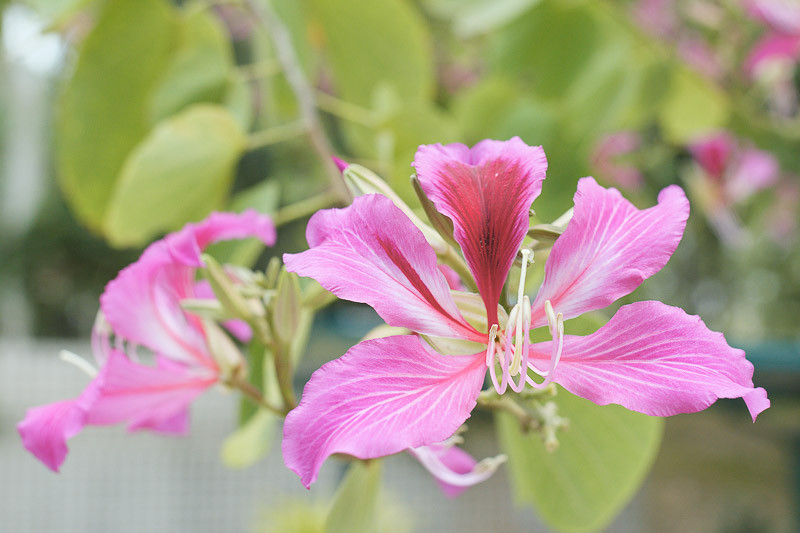
Bauhinia produces showy flowers with pink and magenta colors, featuring red veins. These bloom in clusters, consisting of five petal-like structures, which open during the morning hours in summer. Following blooming, the plant develops bean pods containing 10-15 seeds. During this stage, the foliage tends to dry out at the margins and turn brown.
How to Grow Bauhinia
To successfully grow Bauhinia, follow these simple guidelines:
Ideal Exposure for Bauhinia
The ideal temperature range for Bauhinia is above 10°C (50°F), with resistance to temperatures below 5°C (40.6°F). It thrives in sunny and well-ventilated areas like terraces or open gardens.
However, it is crucial to provide protection during winter months by moving the plant indoors or to a sheltered location.
Suitable Soil for Bauhinia
Bauhinia is adaptable to various soil types but prefers rich, organic soils with good drainage. To ensure optimal growth, fertilize your plant every 20-30 days using compost or manure during spring and summer.
Keep in mind that planting distance should be at least 5 meters from walls or other tall plants to accommodate the roots’ growth.
Watering Bauhinia
Maintain consistent moisture levels when watering your Bauhinia, with approximately one watering every 15 days. Be cautious not to overwater, as this may lead to root rot and fungal diseases.
Additionally, place a layer of small stones or a well-draining material at the bottom of the pot to help excess water drain efficiently.
Fertilization for Bauhinia
As mentioned earlier, Bauhinia benefits from regular fertilization with compost or manure during spring and summer. This not only promotes healthy growth but also helps maintain the plant’s vigor and longevity.
Propagation
Bauhinia can be propagated through seeds. To achieve successful germination, store the seeds in a controlled environment for at least one year, maintaining a consistent level of humidity and temperature.
After 12 months, sow the seeds in seed trays and care for them until they reach maturity. This process can take up to three years, during which time the plant may exhibit varying growth patterns, flower times, or appearance.
Pests and Diseases
Bauhinia is generally resistant to pests like aphids; however, improper watering practices may increase susceptibility to root rot, fungal diseases, or other issues.
Keep your plant well-maintained by ensuring proper water distribution and pruning as necessary.
Interesting Facts about Bauhinia
Here are some fascinating aspects of the Bauhinia plant:
Symbolic significance: The Bauhinia was adopted as a floral symbol for Hong Kong in 1965, marking its first discovery there.
Culinary uses: Both leaves and flowers can be consumed. Additionally, seeds yield unique oils.
Wood crafting: Trunks are harvested for valuable wood used to make utensils.
How to Protect Bauhinia from Pests
To protect your Bauhinia plant from pests, follow these simple steps:
- Inspect your plant regularly
- Keep your plant well-maintained by ensuring proper water distribution and pruning as necessary.
- Use natural pest control methods, such as neem oil or insecticidal soap, to deter pests.
How to Repel Pests from Bauhinia
To repel pests from your Bauhinia plant, use the following methods:
- Spray neem oil on the leaves of your Bauhinia plant
- Use a mixture of hot water and soap to repel aphids
- Plant beneficial insects, such as ladybugs or lacewings, near your Bauhinia plant
Interesting Uses for Bauhinia
Bauhinia is not only an ornamental plant but also has various uses in traditional medicine, food, and crafts.
Here are some interesting uses for Bauhinia:
Traditional Medicine: Bauhinia leaves have been used to treat fever, skin conditions, and respiratory issues.
Food: Both leaves and flowers can be consumed. Additionally, seeds yield unique oils.
Crafts: Trunks are harvested for valuable wood used to make utensils.
Frequently Asked Questions (FAQs)
Here are some common questions about Bauhinia:
- Is Bauhinia a hardy plant?
- While Bauhinia is not entirely hardy, it can tolerate temperatures below 5°C (40.6°F) and may grow in warmer climates with proper care.
- How often should I fertilize my Bauhinia?
- Fertilize your Bauhinia every 20-30 days during spring and summer to promote optimal growth.
- Can I grow Bauhinia indoors?
- Yes, you can grow Bauhinia indoors with proper lighting, ventilation, and temperature control.
- Is it necessary to protect Bauhinia from frost?
- Although Bauhinia is not entirely frost-tolerant, it may still survive occasional light frosts if temperatures remain above freezing for extended periods.
- Can I propagate Bauhinia using cuttings?
- While cutting propagation can be an option for some plants, Bauhinia typically prefers to reproduce through seeds.
By asking these questions and learning more about the unique characteristics of Bauhinia, you’ll become a confident gardener and appreciate the beauty and diversity of this plant.


