
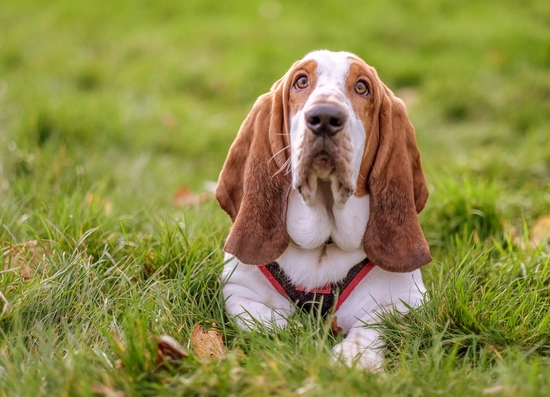
Are you considering bringing a Bassethound into your family? With its stunning looks, incredible hunting ability, and affectionate nature, it’s no wonder why this breed has captured the hearts of many dog lovers. But before you make the decision to bring a Bassethound into your home, it’s essential to understand what makes this breed so special.
Origins of the Bassethound
The Bassethound is a result of crossing two breeds: the Bloodhound and the Basset d’Artois. This unique combination has resulted in a dog with incredible tracking abilities and a distinctive appearance. The name “Bassethound” comes from the French words “Bas,” meaning “basset,” and “Hound,” which refers to its hunting heritage.
The history of the Bassethound dates back to the 19th century in England, where it was recognized by the Kennel Club in 1883. The breed was initially developed as a hunting dog, specifically designed for tracking small game like rabbits and hares. Its incredible sense of smell and ability to follow scents made it an invaluable asset on hunting expeditions.
Characteristics of the Bassethound
One of the most striking features of the Bassethound is its unique physical appearance. With a sturdy build, short legs, and a long, floppy ears, this breed is both adorable and intimidating at the same time. The Bassethound’s body is typically around 33-38cm in height, with males weighing between 30kg and females weighing slightly less.
The Bassethound’s coat can come in various colors, including tricolor, white, and fawn. However, it’s essential to note that a true Bassethound should have a distinctive black mask on its face, which is not always present in other breeds.
Personality of the Bassethound
Despite its hunting heritage, the Bassethound is known for its affectionate and playful personality. This breed is perfect for families with children, as it loves being around people and enjoys playing games like fetch and tug-of-war. However, the Bassethound can also be quite stubborn at times, requiring patient and consistent training.
In fact, one of the most challenging aspects of owning a Bassethound is its independent nature. They are bred to hunt alone, so they can become easily distracted if not properly trained and exercised. With regular exercise, socialization, and positive reinforcement training, however, this trait can be managed and even harnessed for good behavior.
History of the Bassethound
The Bassethound has a rich history that spans centuries, with its origins dating back to medieval France. The breed was developed as a result of crossing Bloodhounds with Basset d’Artois, two breeds known for their exceptional tracking abilities and distinctive physical characteristics.
Over time, the Bassethound became an integral part of European hunting traditions, particularly in England and France. Its reputation as a skilled hunting dog earned it recognition by kennel clubs and breed associations worldwide.
Breed Standards
The Bassethound breed standard is defined by its physical characteristics, temperament, and hunting ability. The breed is typically classified as a “hunting” dog, with an emphasis on tracking and following scents. However, the Bassethound’s friendly and outgoing personality makes it an excellent companion for families and individuals alike.
To ensure that you’re getting a well-tempered and healthy Bassethound, look for breeders who prioritize genetic testing, proper breeding practices, and early socialization. A reputable breeder will be able to provide you with detailed information about the puppy’s ancestry, temperament, and health guarantees.
Health and Grooming
Like all breeds, the Bassethound requires regular grooming to maintain its coat and overall health. The breed is generally prone to hip dysplasia and ear infections, but with proper care and attention, these issues can be minimized.
To keep your Bassethound’s coat clean and healthy, brush it regularly to remove tangles and mats. Bathe it every few months, taking care not to strip its coat of natural oils. Regular ear cleaning is also essential to prevent infections, which can be painful and potentially lead to more serious health issues.
Allevamento e Prezzo
If you’re considering bringing a Bassethound into your family, it’s essential to find a reputable breeder who prioritizes the breed’s health and well-being. The price of a Bassethound puppy can vary depending on factors like location, bloodline, and color, but expect to pay between $700 and $1,000 for a puppy from an Italian breeder.
Before making a purchase, ensure that you’re working with a reputable breeder who provides health guarantees, genetic testing, and early socialization. This investment in your Bassethound’s health will pay off in the long run, as it will lead to a happier, healthier companion.
FAQs
- Q: Where did the Bassethound originate?
A: The Bassethound originated in France as a result of crossing Bloodhounds with Basset d’Artois. - Q: What is the typical height and weight of a Bassethound?
A: Males typically stand around 33-38cm tall, weighing between 30kg and females weighing slightly less. - Q: Is the Bassethound easy to train?
A: The Bassethound can be quite stubborn at times, requiring patient and consistent training. - Q: Can I get a Bassethound puppy from an Italian breeder?
A: Yes, many reputable Italian breeders offer Bassethound puppies for sale. - Q: What health issues are common in Bassethounds?
A: The Bassethound is prone to hip dysplasia and ear infections, but with proper care and attention, these issues can be minimized.
Conclusion
The Bassethound is a beloved breed that offers an unbeatable combination of stunning looks, incredible hunting ability, and affectionate nature. With its rich history, friendly personality, and moderate price point, it’s no wonder why this breed has captured the hearts of many dog lovers. Whether you’re a seasoned hunter or just looking for a loving companion, the Bassethound is sure to bring joy and excitement into your life.
Tips for New Bassethound Owners
- Provide plenty of exercise: Regular walks, playtime, and training sessions will help keep your Bassethound happy and healthy.
- Socialize early and often: Socialization is crucial for any breed, but particularly for the Bassethound’s independent nature.
- Train consistently: Positive reinforcement training and consistency are key to developing good behavior in your Bassethound.
- Monitor health: Regular check-ups with a veterinarian will help identify potential health issues early on.
- Show love and patience: The Bassethound is known for its affectionate nature, but it also requires patience and understanding when faced with challenges.
By following these tips and providing the necessary care and attention, you can create a happy and fulfilling relationship with your Bassethound companion.


