
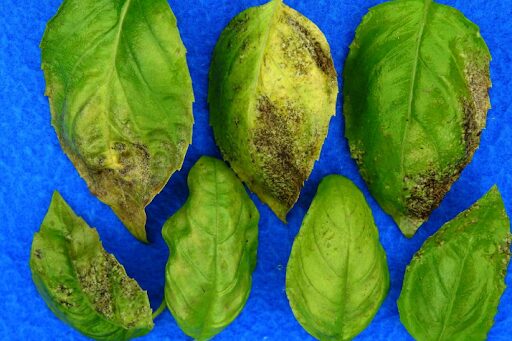
As a gardener, there’s nothing more frustrating than seeing your basil leaves turn yellow. But why does this happen? Is it a sign of pests, diseases, or something else entirely? In this article, we’ll explore the possible causes of yellowing basil leaves and provide you with practical solutions to get your plant back on track.
What is Basil (Ocymum basilicum)?
Basil is an annual herb that can grow up to 60 cm in height. It’s a popular ingredient in many dishes, but it requires proper care to thrive. Basil belongs to the mint family and is native to tropical regions of Asia and Africa. There are several species of basil, including sweet basil (Ocymum basilicum), lemon basil, Thai basil, and purple basil.
Basil is a warm-season crop that grows best in temperatures between 65°F and 85°F (18°C and 30°C). It prefers well-draining soil and full sun to partial shade. Basil is a popular choice for gardeners of all skill levels due to its ease of growth and versatility in cooking.
Causes of Yellowing Basil Leaves
There are several reasons why your basil leaves might be turning yellow. Here are some common causes:
- Excess Calcium in the Water
Calcium can cause clorosis, a condition where plants develop yellow or wilted leaves due to a lack of essential nutrients like iron and magnesium.
To solve this issue, try using rainwater or filtered water when watering your basil. You can also add a calcium-chelating product to the soil to help reduce the amount of available calcium.
- Overwatering
Basil doesn’t like wet feet! If the soil is consistently waterlogged, it can cause root rot and lead to yellowing leaves.
To fix this problem, check the drainage holes in your pot and ensure they’re not clogged. Reduce the frequency of watering, and make sure the soil has a chance to dry out slightly between waterings.
- Insufficient Soil
Basil needs well-draining soil to thrive. If the soil is too dense or lacks organic matter, it can cause yellowing leaves.
To improve the soil quality, add compost or manure to the mix. You can also repot your basil in fresh, well-draining soil if necessary.
- Nutrient Deficiencies
Basil requires a balanced diet of nutrients to stay healthy. A lack of essential micronutrients like iron, magnesium, and calcium can cause yellowing leaves.
To address nutrient deficiencies, fertilize your basil with a balanced fertilizer that contains these essential micronutrients.
- Pests and Diseases
Pests like aphids, whiteflies, and spider mites can suck the sap from basil leaves, causing them to turn yellow. Fungal diseases like powdery mildew and root rot can also cause yellowing leaves.
To control pests and diseases, use organic or chemical controls as necessary. Practice good garden hygiene by removing infected plants and disinfecting tools and surfaces.
- Temperature Fluctuations
Basil prefers temperatures between 65°F and 85°F (18°C and 30°C). Sudden changes in temperature can cause stress to the plant, leading to yellowing leaves.
To protect your basil from temperature fluctuations, move it to a location with stable temperatures or use row covers during periods of extreme weather.
- Lack of Light
Basil needs plenty of sunlight to stay healthy. If it’s not receiving enough light, it can cause yellowing leaves.
To address this issue, move your basil to a sunnier location or supplement with grow lights if necessary.
- Transplant Shock
When transplanting basil from seedlings to pots or directly into the garden, it can experience shock. This can cause yellowing leaves as the plant adjusts to its new environment.
To minimize transplant shock, handle the roots gently and water thoroughly after planting.
Solutions for Yellowing Basil Leaves
So, what can you do to save your basil plant?
- Reduce Irrigation: Check the weather forecast and only water your basil when it’s absolutely necessary.
- Improve Soil Drainage: Add organic matter like compost or manure to the soil to improve drainage and aeration.
- Fertilize with Iron: If the yellowing leaves are caused by clorosis, fertilize your basil with an iron-rich supplement.
- Prune Regularly: Pruning regularly can help promote healthy growth and prevent yellowing leaves.
- Monitor Pests and Diseases: Keep an eye out for pests and diseases that can cause yellowing leaves.
Diversity in Basil Cultivation
When growing basil, it’s essential to understand its needs. Different varieties have unique requirements, so make sure you’re using the right type of soil and watering schedule for your specific plant.
Some popular varieties of basil include:
- Sweet basil (Ocymum basilicum): This is one of the most widely grown varieties of basil.
- Lemon basil: This variety has a more acidic flavor than sweet basil and is often used in cocktails and desserts.
- Thai basil: This variety has a spicy, anise-like flavor and is commonly used in Southeast Asian cuisine.
- Purple basil: This variety has deep purple leaves and a sweeter, less bitter flavor than other varieties.
Where to Buy Basil Plants
If you’re struggling with yellowing leaves or want to start fresh, consider buying a new basil plant from a reputable nursery or online retailer.
Some popular options include:
- Amazon: Offers a wide selection of basil seeds and plants.
- Local Nurseries: Visit your local nursery for expert advice on growing basil.
- Garden Centers: Many garden centers carry a variety of basil plants and can offer advice on caring for them.
Frequently Asked Questions (FAQs)
Q: What causes yellowing leaves on basil?
A: Yellowing leaves on basil can be caused by excess calcium in the water, overwatering, insufficient soil, nutrient deficiencies, pests and diseases, temperature fluctuations, lack of light, or transplant shock.
Q: How often should I water my basil plant?
A: Water your basil plant only when necessary, making sure not to overwater. Check the drainage holes and allow the soil to dry out slightly between waterings.
Q: Can I grow basil indoors?
A: Yes! Basil can thrive in indoor conditions with proper care. Provide it with plenty of sunlight, well-draining soil, and maintain a consistent temperature.
Q: How long does it take for basil seeds to germinate?
A: Basil seeds typically take 7-10 days to germinate when sown on the surface or 3-5 days when started indoors under grow lights.
Q: Can I grow multiple varieties of basil together?
A: Yes! You can grow multiple varieties of basil together, but make sure they have similar growing conditions and requirements. Some popular combinations include sweet basil with lemon basil or Thai basil with purple basil.
By following these tips and understanding the causes of yellowing basil leaves, you should be able to keep your plant healthy and thriving for months to come!


