
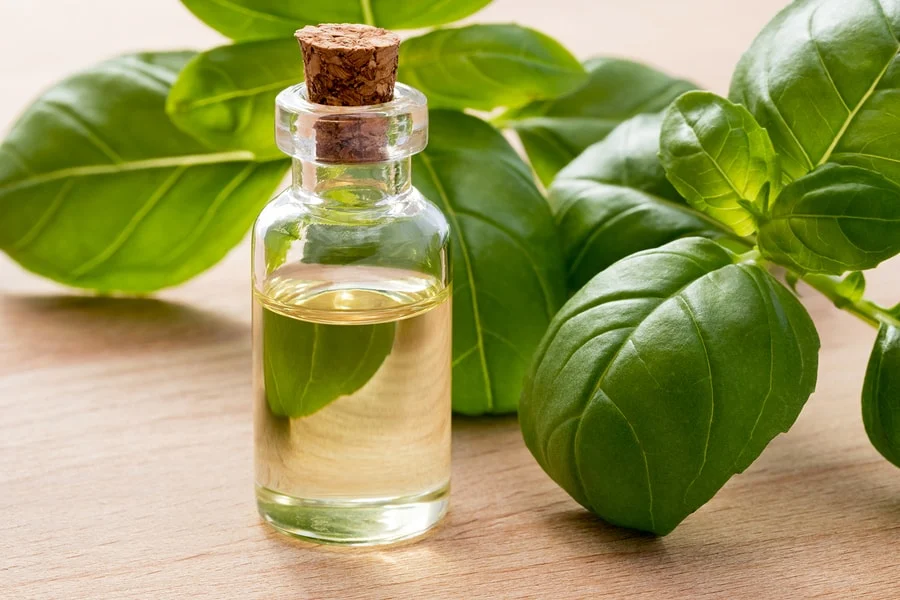
Understanding the Properties of Basil Essential Oil
Basil essential oil is extracted from the Ocimum basilicum plant, which has been revered for centuries in various cultures, particularly in traditional Indian medicine, for its numerous health benefits. The properties of basil essential oil are perfectly encapsulated in its concentrated form.
The history of basil essential oil dates back to ancient civilizations, where it was used not only for medicinal purposes but also as a culinary herb. In modern times, the popularity of basil essential oil has grown exponentially due to its versatility and wide range of benefits.
The Composition of Basil Essential Oil
The chemical profile of basil essential oil varies significantly depending on the starting material used, but it is often difficult to specify the exact composition of each batch due to the lack of standardization on labels. However, this variability does not affect the overall benefits and uses of basil essential oil.
Basil essential oil is composed of various bioactive compounds, including:
- Eugenol: A natural antiseptic with antimicrobial properties
- Linalool: A fragrance compound responsible for its sweet, herbal aroma
- Cineole (1,8-cineole): An expectorant and decongestant that helps alleviate respiratory issues
These compounds contribute to the diverse range of benefits associated with basil essential oil.
Properties and Benefits of Basil Essential Oil
Basil essential oil boasts natural anti-inflammatory properties and is widely used in aromatherapy to enhance focus and vitality. Its revitalizing effects make it an excellent addition to daily routines, particularly in environments that require concentration and attention.
Some of the key benefits of using basil essential oil include:
- Improved cognitive function: Basil essential oil can help improve memory and concentration due to its stimulating properties
- Reduced stress and anxiety: The calming effects of basil essential oil make it an effective remedy for promoting relaxation and reducing stress levels
- Antibacterial and antifungal properties: Basil essential oil has been shown to exhibit antimicrobial activity against various microorganisms
Using Basil Essential Oil for Relaxation and Stress Relief
Diluted in a carrier oil, basil essential oil can be applied topically to alleviate muscle cramps and pain associated with arthritis and other musculoskeletal issues. Its soothing properties also make it an effective remedy for insect bites, as it reduces itching and inflammation.
To create a relaxing massage oil blend, mix 10 drops of basil essential oil with 1 tablespoon of sweet almond oil. This blend can be applied to the skin before bed to promote relaxation and improve sleep quality.
Preparing Basil Essential Oil for Topical Use
Before using basil essential oil topically, ensure that it is diluted in a carrier oil to prevent skin irritation. A general dilution ratio is 1-2% essential oil to carrier oil.
For example, to create a soothing massage oil blend, mix 10 drops of basil essential oil with 1 tablespoon of sweet almond oil. This blend can be applied to the skin before bed to promote relaxation and improve sleep quality.
Expectorant Properties of Basil Essential Oil
Basil essential oil contains the 1,8-cineole compound, which has proven effective in controlling excessive mucus production and treating sinus issues such as congestion and rhinitis. To utilize its decongestant properties, inhale basil essential oil or apply it topically to affected areas.
Inhaling basil essential oil can help alleviate respiratory issues by:
- Reducing inflammation: Basil essential oil has anti-inflammatory properties that help reduce swelling in the nasal passages
- Clearing congestion: The expectorant properties of basil essential oil help loosen and clear mucus from the lungs
Using Basil Essential Oil Internally
Basil essential oil can also be consumed internally to maintain a healthy gut microbiome. Mixing two drops with honey creates a protective remedy against infections, yeast overgrowth, and other digestive issues.
To use basil essential oil internally, follow these guidelines:
- Start with small amounts: Begin with 1-2 drops per day and gradually increase the dosage as needed
- Combine with food: Mix basil essential oil with honey or other natural sweeteners to mask its bitter taste
- Consult a healthcare professional: Before using basil essential oil internally, consult with a healthcare professional to ensure safe usage
Cosmetic Uses of Basil Essential Oil
In addition to its therapeutic properties, basil essential oil is beneficial for hair and skin care. Add a few drops to your shampoo or massage it onto your scalp to stimulate blood flow, promoting healthy hair growth and reducing dandruff.
Basil essential oil can also be used as a natural remedy for acne by:
- Reducing inflammation: Basil essential oil has anti-inflammatory properties that help reduce redness and swelling
- Exfoliating the skin: The antiseptic properties of basil essential oil help prevent bacterial growth on the skin
Using Basil Essential Oil to Combat Cellulite
When combined with orange and geranium essential oils, basil essential oil can help reduce water retention and alleviate cellulite.
To use basil essential oil for cellulite treatment, follow these guidelines:
- Dilute with a carrier oil: Mix 5-10 drops of basil essential oil with 1 tablespoon of sweet almond oil
- Apply to the affected area: Massage the blend onto the thighs or buttocks to stimulate circulation and reduce water retention
Preparing Your Own Basil Essential Oil at Home
To produce high-quality basil essential oil, you’ll need a distillation apparatus or a home press. This process requires patience and dedication, as large quantities of raw material are required to yield a single bottle of pure essential oil.
To make your own basil essential oil:
- Collect fresh basil leaves: Choose fresh, fragrant basil leaves for optimal quality
- Steam distill the leaves: Steam distillation involves heating the basil leaves and extracting the essential oil through condensation
Where to Buy High-Quality Basil Essential Oil
Basil essential oil is widely available online and in local health food stores at competitive prices. However, it may not be easily found in traditional apothecaries, which often stock more common oils like peppermint or lavender.
When purchasing basil essential oil, look for:
- High-quality labels: Ensure that the label indicates the botanical name (Ocimum basilicum) and provides information on the production process
- Competitive pricing: Compare prices among different retailers to find the best value for your money
Important Safety Precautions for Using Basil Essential Oil
When using basil essential oil, always dilute it with a carrier oil before applying topically to prevent skin irritation. Always follow the recommended usage guidelines and consult with a healthcare professional if you have any concerns about its safety.
Some precautions to keep in mind when using basil essential oil include:
- Skin sensitivity: Basil essential oil can cause skin irritation, especially when used undiluted
- Pregnancy and breastfeeding: Consult with a healthcare professional before using basil essential oil during pregnancy or breastfeeding
- Allergic reactions: If you experience any adverse reactions, discontinue use and consult with a healthcare professional
Frequently Asked Questions (FAQs)
-
What are the benefits of using basil essential oil for relaxation?
Basil essential oil is an effective natural remedy for promoting relaxation, reducing stress, and improving focus due to its calming effects.
2. Can I use basil essential oil as a treatment for hair loss?Yes, basil essential oil can be used topically on the scalp to stimulate blood flow, promote healthy hair growth, and reduce dandruff.
3. How do I prepare a massage blend using basil essential oil?To create a soothing massage oil blend, dilute 10 drops of basil essential oil in a tablespoon of sweet almond oil.
4. Can I use basil essential oil as a natural remedy for acne?Basil essential oil has antibacterial properties that can help combat acne-causing bacteria, but it is not a substitute for medical treatment.
5. Is it safe to consume basil essential oil internally?While basil essential oil can be used internally in small amounts, it is recommended to consult with a healthcare professional before using it as a supplement.
6. Can I use basil essential oil on children and pregnant women?Basil essential oil should not be used on children or pregnant women without consulting a healthcare professional first.
7. How do I store basil essential oil to maintain its potency?Store basil essential oil in a cool, dark place to preserve its quality and shelf life.
8. Can I use basil essential oil as a substitute for other natural remedies?Basil essential oil can be used in conjunction with other natural remedies, but it is not a replacement for medical treatment or professional advice.
By understanding the properties and benefits of basil essential oil, you can unlock its potential and incorporate it into your daily routine. Whether used topically, internally, or aromatically, basil essential oil offers a wide range of health benefits and uses that can enhance overall well-being.


