
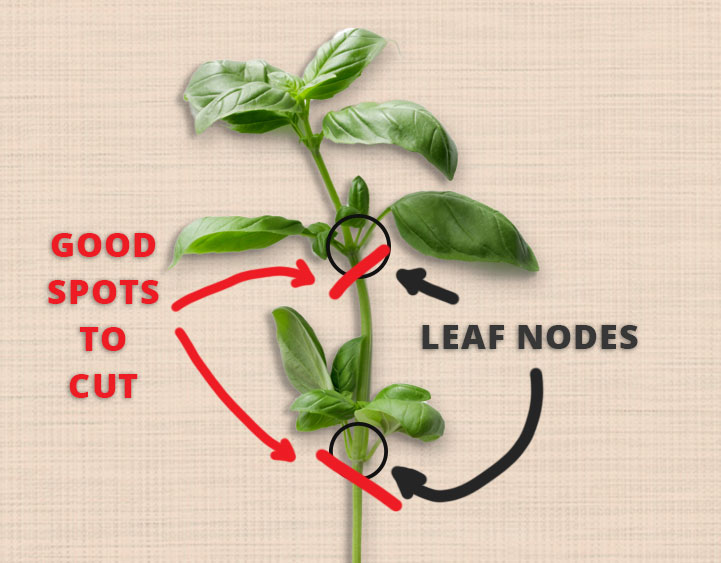
As a gardener, you’re always on the lookout for ways to multiply your favorite herbs and plants. One of the simplest and most effective methods is propagation by stem cuttings, specifically with basil. In this article, we’ll explore the basics of multiplying basil using stem cuttings, from preparing the necessary materials to caring for your new plant.
Why Propagate Basil by Stem Cuttings?
Propagating basil by stem cuttings is a great way to multiply your favorite herb without breaking the bank or relying on expensive seeds. Plus, it’s a low-maintenance process that requires minimal equipment and care. Unlike traditional methods of propagation, such as root division or leaf cuttings, stem cuttings offer a more reliable and efficient way to reproduce plants.
When to Propagate Basil
The ideal time to propagate basil using stem cuttings is during the late spring season, when the weather starts to warm up and the plant begins to produce new growth. This allows you to capitalize on the plant’s natural reproductive cycle and ensure optimal success.
Materials Needed
To start propagating your basil, you’ll need a few basic materials:
- A clean glass or plastic container with water
- A pot or vase filled with fertile and soft soil (terricio universale)
- A healthy stem cutting from your favorite basil plant
- A thermometer to monitor temperature
Preparing the Water
Before soaking the basil stem in water, make sure it’s thoroughly washed to remove any dirt or debris. Then, fill a clean glass or plastic container with fresh water, making sure it’s at room temperature.
Soaking the Basil Stem
Take your healthy basil stem and gently dip one end into the prepared water. Make sure not to leave the cutting submerged for too long, as this can cause root rot. Let the cutting sit in the water for a few hours or overnight to allow the roots to develop.
Planting the Cutting
Once the roots have developed, carefully remove the basil stem from the water and plant it in your prepared soil mixture. Make sure not to bury the leaves too deeply, as this can prevent the plant from photosynthesizing. Water the cutting thoroughly to settle the soil.
Caring for Your New Plant
After planting the stem cutting, keep the soil consistently moist but not waterlogged. Place the pot in a sunny location with temperatures above 18°C (65°F) and monitor humidity levels. Avoid direct sunlight, which can cause overheating.
As your basil plant grows, you’ll need to provide regular fertilization and pruning to maintain its health and vigor. With proper care, your new plant will thrive and produce plenty of delicious leaves for cooking and gardening.
Common Challenges and Solutions
Here are some common challenges you might encounter when propagating basil by stem cuttings:
- Low rooting success: If the cutting doesn’t develop roots, try adjusting the water quality or using a different propagation method.
- Root rot: Make sure to prevent overwatering, which can lead to root rot. Check the soil regularly and avoid getting waterlogged.
- Pests or diseases: Inspect your plant regularly for signs of pests or diseases, and treat promptly if necessary.
Tips and Tricks
Here are some additional tips to help you successfully propagate basil using stem cuttings:
- Use a thermometer to monitor temperature: Basil plants prefer temperatures between 18°C (65°F) and 25°C (77°F).
- Avoid overwatering: Keep the soil consistently moist but not waterlogged to prevent root rot.
- Provide adequate light: Place your pot in a sunny location, but avoid direct sunlight, which can cause overheating.
By following these simple steps and tips, you’ll be able to successfully propagate your basil using stem cuttings. Happy gardening!
Frequently Asked Questions
Here are some frequently asked questions about propagating basil by stem cuttings:
- How long does it take for the cutting to develop roots?
The time it takes for the cutting to develop roots can vary depending on factors such as water quality and temperature. - Can I propagate basil using leaf cuttings instead of stem cuttings?
Yes, you can also propagate basil using leaf cuttings. However, this method is less reliable and may require additional care. - How often should I fertilize my new plant?
Fertilize your new plant regularly to promote healthy growth and development. Follow the manufacturer’s instructions for application rates and frequency.
Additional Tips for Successful Propagation
Here are some additional tips to help you successfully propagate basil using stem cuttings:
- Use a clear plastic bag or cloche: Covering the pot with a clear plastic bag or cloche can help maintain humidity and promote rooting.
- Provide support: Basil plants can grow quite tall, so provide support using stakes or trellises to keep them upright.
- Monitor for pests: Regularly inspect your plant for signs of pests, such as aphids or spider mites.


