
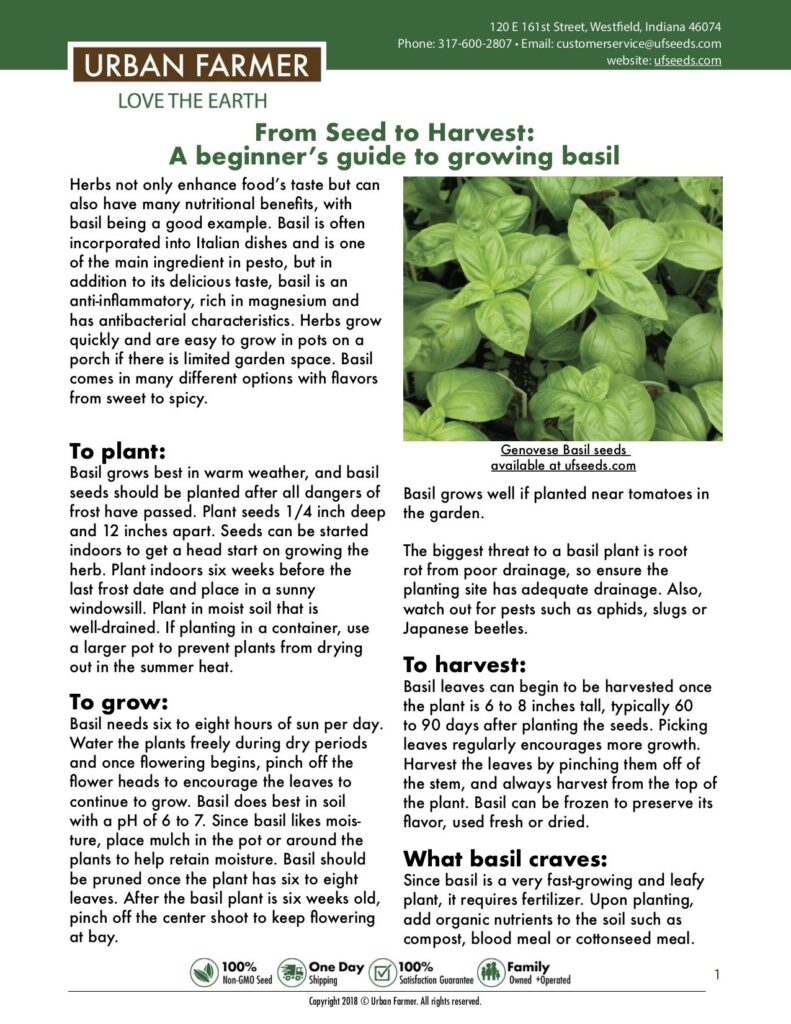
As an aromatherapy enthusiast, you’re probably already aware of the numerous benefits of cultivating your own herbs. Among the many options, basil is a popular choice for its versatility and medicinal properties. In this article, we’ll delve into the world of basil cultivation, exploring its history, uses, and care requirements.
What are Aromatic Herbs?
Aromatic herbs are perfect substitutes for salt in cooking, both fresh and dried. They’re also rich in vitamins and minerals that aid digestion and metabolism. Growing your own aromatic herbs allows you to enjoy a symphony of scents and flavors while providing valuable nutrients.
The Benefits of Basil
Basil is renowned for its antioxidant properties and medicinal benefits, making it an excellent addition to any kitchen or medicine cabinet. The herb has been used for centuries to soothe digestive issues, alleviate stress and anxiety, and even combat inflammation.
How Does Basil Work?
Basil contains a compound called rosmarinic acid, which is believed to have sedative properties. This acidity helps counteract free radicals in the body, making basil an effective natural remedy for various ailments.
A Brief History of Basil
For centuries, basil has been used as a natural remedy for various health issues. The herb was even employed by ancient civilizations as a mouthwash and skin toner to combat mouth infections and inflammation. Today, basil remains a staple in many cuisines worldwide, prized for its distinct flavor and aroma.
Growing Basil: Tips and Tricks
Basil is a Mediterranean native that thrives in the region’s climate. To cultivate this lovely herb, follow these simple steps:
Choosing the Right Variety
With countless varieties of basil available, it’s essential to select one that suits your climate and desired flavor profile. Some popular types include sweet basil, Thai basil, and lemon basil.
Planting Basil Seeds or Seedlings
Basil seeds can be sown directly into the soil, while seedlings can be purchased from a nursery or online retailer. Plant seeds 10 cm apart and cover with 2 cm of soil. Water gently and maintain consistent moisture.
Caring for Your Basil Plants
Regular pruning is crucial to encourage bushy growth and prevent flowering. Remove weak leaves, and trim back the plant to maintain its shape. Pinch off flower buds as they form to direct energy towards leaf production.
Growing Basil in Containers
If you prefer growing basil indoors or in small spaces, consider using pots or planters. Basil requires well-draining soil and partial shade. Water thoroughly, but avoid overwatering.
Additional Tips for Growing Basil
- Use a trellis: To encourage vertical growth and add visual appeal to your garden, consider using a trellis or obelisk.
- Plant basil near sunlight: Basil requires at least six hours of direct sunlight per day. Consider planting it in a sunny spot or supplementing with grow lights indoors.
- Use mulch: Mulching around the base of your basil plants helps retain moisture and suppress weeds.
- Monitor for pests: Regularly inspect your basil plants for signs of pests, such as aphids, whiteflies, and spider mites.
Common Challenges When Growing Basil
- Overwatering: Avoid overwatering, which can lead to root rot and other problems.
- Underwatering: Make sure to water consistently, but avoid underwatering, which can cause stress and reduce yields.
- Pests: Regularly monitor for pests, such as aphids, whiteflies, and spider mites.
Harvesting Basil
- Pinch off flower buds: To encourage leaf production and prevent flowering, pinch off flower buds as they form.
- Cut stems: Cut the stem of your basil plant to encourage bushy growth and promote new leaves.
- Use scissors or pruning shears: Use scissors or pruning shears to carefully trim back your basil plants.
Drying Basil Leaves
- Air-dry: Air-drying is a simple way to dry basil leaves without sacrificing flavor or aroma.
- Dehydrate: Dehydrating is another method for preserving basil leaves, especially in large quantities.
Conclusion: Harness the Power of Basil
By following these simple steps and tips, you can cultivate your own delicious and nutritious basil plants. With its numerous health benefits and versatility in cooking, basil is an herb worth growing for any enthusiast.
Frequently Asked Questions (FAQs)
- What are some common pests that affect basil plants?
Pests like aphids, whiteflies, and spider mites can infest basil plants. Regular monitoring and use of organic pesticides can help control these issues. - How often should I water my basil plant?
Basil requires consistent moisture, but make sure not to overwater. Check the soil daily, and water when it feels dry to the touch. - Can I grow basil indoors without direct sunlight?
While basil prefers partial shade, it can thrive in indoor conditions with sufficient light. Use a south-facing window or supplement with LED grow lights. - How long does it take for basil seeds to germinate?
Basil seeds typically germinate within 1-3 weeks after sowing, depending on temperature and soil conditions. - Can I propagate basil by division?
Yes, you can divide and re-pot your basil plant to create new plants. Simply cut the stem, separate the roots, and replant in well-draining soil. - How do I dry basil leaves for use in cooking?
Air-drying or dehydrating basil leaves preserves their flavor and aroma. Dry them thoroughly before using in recipes. - Can basil be grown in poor soil conditions?
While basil prefers well-draining soil, it can tolerate some soil degradation. Regular fertilization can help improve soil quality and promote healthy growth. - How often should I prune my basil plant?
Regular pruning encourages bushy growth and prevents flowering. Pinch off flower buds as they form, and trim back the plant every 2-3 weeks to maintain its shape.
By mastering the art of growing basil, you’ll unlock a world of flavors, aromas, and health benefits. Happy gardening!


