
As we go about our daily lives, it’s easy to take our bodies for granted. But have you ever stopped to think about the tiny number that dictates how much energy your body needs to function? This number is called your basal metabolism, and it plays a crucial role in determining how efficiently your body burns calories.
What is Basal Metabolism?
Basal metabolism refers to the minimum amount of energy required for our bodies to maintain vital functions and stay awake. It’s like the battery life of your phone – when you’re not using it, it still needs power to keep running. But what makes this number so important?
In general, basal metabolism accounts for 65-75% of a healthy adult’s total daily energy expenditure. It’s higher in men than women and decreases with age, especially after the age of 60.
How is Basal Metabolism Calculated?
Calculating your basal metabolism requires knowing your body composition – specifically, your lean muscle mass (FFM). There are several methods to achieve this, such as:
- Plicometry: This method measures the length of muscles and organs using a specific technique.
- Hydrostatic weighing: You weigh yourself underwater and then subtract your weight from your weight on land. The difference is your body density, which can be used to estimate FFM.
- Bioimpedance analysis: This method uses electrical impulses to measure resistance in the body, allowing for an estimation of FFM.
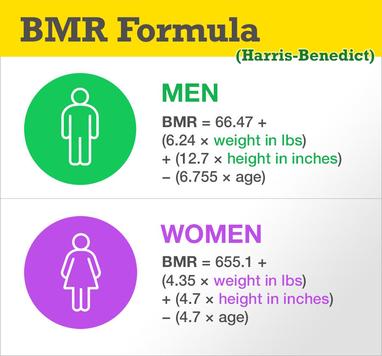
Once you have your FFM, you can estimate your basal metabolism using a formula or by consulting a table. There are several formulas available, such as:
- Harris-Benedict Equation: This equation uses sex, age, and weight to estimate basal metabolic rate (BMR).
- Mifflin-St Jeor Equation: This equation is similar to the Harris-Benedict Equation but takes into account other factors like age and activity level.
Factors That Affect Basal Metabolism
Did you know that basal metabolism is influenced by numerous factors? Some of these include:
- Body temperature: a 1-degree increase in body temperature boosts basal metabolism by 13%.
- External temperature: lower temperatures can increase metabolic rate.
- Diet and nutrition: the type and amount of food consumed impact energy expenditure.
- Hormonal changes: fluctuations in hormone levels, such as those experienced during pregnancy or menopause, can affect metabolism.
- Medications: certain medications, like sedatives, can decrease basal metabolism, while others, like amphetamines, can increase it.
Accelerating Your Basal Metabolism
While modifying your basal metabolism is challenging due to its strong connection with inherent characteristics like age, sex, and body composition, you can try some strategies to boost it:
- Diets: following a low-carb diet or intermittent fasting may help increase metabolic rate.
- Exercise: regular physical activity raises your metabolic rate, which can be sustained for several hours after exercise.
- Muscle mass: gaining muscle through weightlifting or resistance training increases your resting metabolic rate.
The Importance of Sleep
Getting adequate sleep is crucial for maintaining a healthy basal metabolism. Research shows that getting less than 7 hours of sleep per night can lower basal metabolic rate, making it easier to gain weight and harder to lose weight.
To optimize your sleep, consider the following tips:
- Establish a consistent sleep schedule
- Create a relaxing bedtime routine
- Avoid screens before bedtime
- Optimize your sleep environment
Nutrition Strategies for Boosting Basal Metabolism
While modifying basal metabolism is challenging, there are some nutrition strategies that can help boost it. These include:
- Eat protein-rich foods: Protein takes more energy to digest, which can increase metabolic rate.
- Incorporate healthy fats into your diet: fats like omega-3s support hormone production and can increase metabolism.
- Focus on whole foods: whole foods are nutrient-dense and provide the body with the necessary fuel for optimal functioning.
The Role of Probiotics
Probiotics have gained popularity in recent years due to their potential benefits for gut health. Research suggests that probiotics may help boost basal metabolism by:
- Improving digestion
- Increasing energy expenditure
- Supporting weight loss
When choosing a probiotic, consider the following tips:
- Opt for a high-quality supplement from a reputable manufacturer.
- Consult with your doctor or registered dietitian before starting any new supplements.
Understanding Your Basal Metabolism: A Key to Unlocking Your Body’s Potential
In conclusion, understanding your basal metabolism is crucial for achieving optimal health and wellness. By calculating your basal metabolism, you can identify areas where you may be able to make lifestyle changes to boost it.
While modifying basal metabolism is challenging due to its strong connection with inherent characteristics like age, sex, and body composition, there are some strategies that can help boost it. These include:
- Diets: following a low-carb diet or intermittent fasting may help increase metabolic rate.
- Exercise: regular physical activity raises your metabolic rate, which can be sustained for several hours after exercise.
- Muscle mass: gaining muscle through weightlifting or resistance training increases your resting metabolic rate.
By incorporating these strategies into your lifestyle and staying hydrated, you’ll be on your way to achieving optimal health and wellness.


