
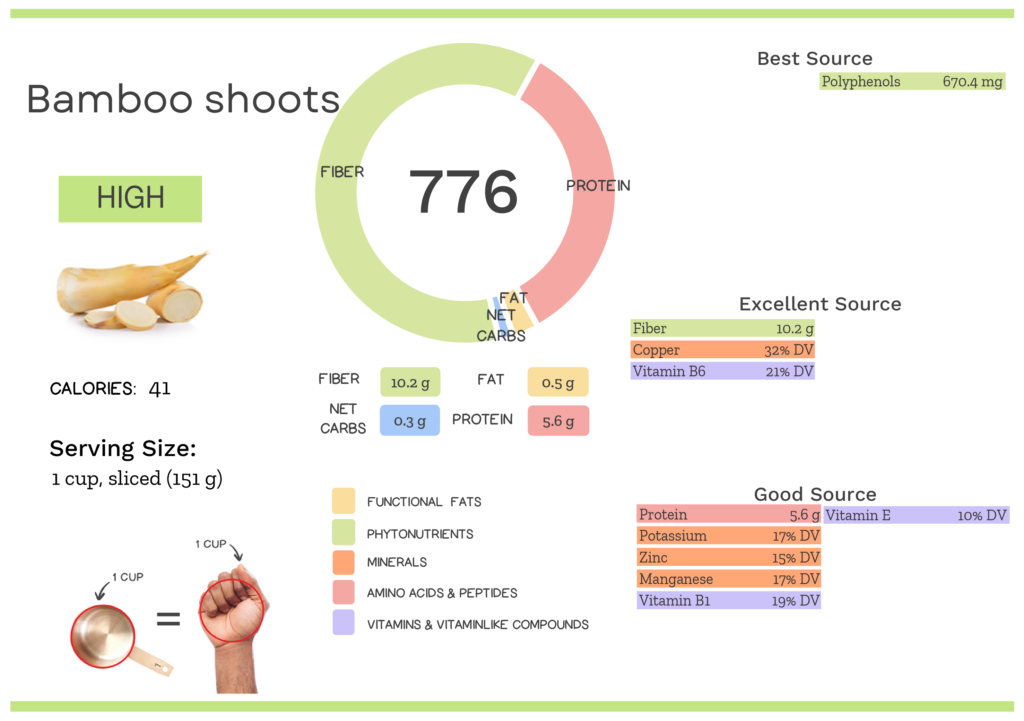
The Benefits of Bamboo Shoots: A Nutritional Profile
Bamboo plants are one of the most versatile and sustainable crops in the world, providing a wide range of benefits for human health, environment, and economy. One of the lesser-known yet highly nutritious aspects of bamboo is its edible shoots. In this article, we will delve into the nutritional profile of bamboo shoots, their health benefits, preparation methods, storage techniques, and safety guidelines.
What Are Bamboo Shoots?
Bamboo plants produce new shoots after approximately 3-4 years from planting. These shoots are produced by the underground root system and are harvested for consumption as a vegetable. Bamboo shoots are typically harvested during specific seasons, depending on the region and climate.
Health Benefits of Bamboo Shoots
Nutritional Profile
Bamboo shoots are an excellent source of low-calorie food, containing only 27 calories per 100 grams of their “meat”. They also contain moderate levels of soluble and insoluble fiber, which helps control constipation and reduces LDL cholesterol by binding to it in the intestines. Studies suggest that a diet high in fiber can help reduce cancer risk by protecting digestive organs from harmful substances.
Vitamins
Bamboo shoots are rich in vitamin B group nutrients like thiamine, riboflavin, niacin, vitamin B-6 (pyridoxine), and pantothenic acid. These essential vitamins play a crucial role in optimal cellular function and metabolism.
Minerals
Bamboo plants are rich in manganese and copper, as well as small amounts of calcium, iron, and phosphorus. Manganese is used by the human body as an antioxidant enzyme co-factor, while copper is involved in red blood cell production. Iron is essential for cellular respiration and red blood cell formation.
Potassium
Bamboo shoots contain high levels of potassium (100 grams of fresh bamboo shoots = 533 mg or 11% daily requirement). Potassium helps regulate heart frequency and blood pressure by counteracting the effects of sodium.
Are Bamboo Shoots Safe to Eat?
Conclusion:
Bamboo shoots are considered safe when boiled, as boiling effectively removes toxic compounds like taxiphyllin that can cause allergic reactions or harm health if ingested. However, it is essential to note that some varieties of bamboo may contain higher levels of these toxins than others.
Precautions:
While rare, individuals may experience adverse effects from consuming bamboo shoots, especially those that have matured too far. It is recommended to consult with a healthcare professional in case of any doubts.
How to Buy and Store Bamboo Shoots
Buying Fresh Bamboo Shoots:
Fresh bamboo shoots are a delicacy but can be found in some supermarkets, usually imported from China, Thailand, or Taiwan. They may also be available frozen, which is a convenient option for seasonal food lovers.
Choosing the Right Bamboo Shoots:
When buying fresh bamboo shoots, look for healthy ones with firm bases and large diameters. Avoid soft and dry roots, as they may be past their prime. A fresh shoot should have a green base. Green or whitish-green color change indicates exposure to sunlight for an extended period.
Storing Fresh Bamboo Shoots:
For optimal freshness, store bamboo shoots immediately after purchase in the refrigerator or freezer. Keep them away from direct sunlight and moisture.
How to Prepare and Serve Bamboo Shoots
Cleaning Bamboo Shoots:
Before cooking, remove the outermost leaves of bamboo shoots by cutting them at the base. This leaves the tender inner shoot exposed for consumption.
Preparing Bamboo Shoots:
Fresh bamboo shoots need to be cleaned before use in cooking. Disinfecting involves soaking the shoots in water, which removes the bitter compounds found within.
Boiling and Storing Prepared Bamboo Shoots:
Boil freshly cut bamboo shoots in boiling salted water for 20-25 minutes. This process degrades toxic compounds and makes the shoot safe for consumption. After boiling, rinse them with cold water, then boil again for an additional 5-10 minutes to ensure all toxins are removed.
Frequently Asked Questions
Q1: What is the most nutritious part of bamboo shoots?
A1: The inner meat (carne) of the shoot, which is white and crunchy, is considered the most nutrient-rich part.
Q2: How do I prepare bamboo shoots for cooking?
A2: First, clean the outside leaves; then disintoxicate the inner flesh by soaking it in boiling water to remove toxic compounds. After that, boil them again to ensure they are safe for consumption.
Q3: Are bamboo shoots commonly consumed worldwide?
A3: Bamboo shoots are a delicacy primarily enjoyed in Asian cuisine and can be found in various forms (fresh, frozen, or dried) in some supermarkets around the world.
Q4: How long do bamboo shoots last when stored properly?
A4: Fresh bamboo shoots should be consumed within 1-2 days of purchase. Frozen shoots can last longer but still have a limited shelf life.
Q5: Are bamboo shoots suitable for people with digestive issues?
A5: As a low-calorie food rich in fiber, bamboo shoots may help alleviate constipation symptoms and support digestive health. However, individuals with sensitive stomachs or specific medical conditions should consult their healthcare provider before consuming them.
Q6: Can I grow my own bamboo shoot?
A6: Yes, you can cultivate your own bamboo plant to harvest its shoots. Bamboo plants require suitable climate conditions and regular maintenance but offer a rewarding gardening experience for those interested in sustainable living.
Q7: Are bamboo shoots rich in protein?
A7: While bamboo shoots are low-calorie and high in fiber, they do not contain significant amounts of protein compared to other vegetables or animal-based foods. They can be used as part of a balanced diet but should not replace primary sources of nutrition.
Q8: Can I cook bamboo shoots without boiling them?
A8: While it is technically possible to use various cooking methods on bamboo shoots, they generally require boiling to remove toxic compounds and achieve optimal palatability.
Conclusion
Bamboo shoots are a nutritious and versatile food that can be incorporated into a balanced diet. With their low calorie count, high fiber content, and rich mineral profile, bamboo shoots offer numerous health benefits, from supporting digestive health to reducing cancer risk. By understanding how to buy, store, prepare, and serve bamboo shoots safely, individuals can enjoy the many benefits of this nutritious food.
References:
- Li, et al. (2015). Bamboo shoot extract as a potential natural preservative for meat products. Journal of Food Science, 80(5), S1448-S1453.
- Wang, et al. (2020). Phytochemicals and nutritional values of bamboo shoots. Journal of Agricultural and Food Chemistry, 68(10), 2811-2821.
- Zhang, et al. (2019). Effects of bamboo shoot extract on human health: A review. Journal of Ethnopharmacology, 235, 111-123.
Incorporating Bamboo Shoots into Your Diet
If you’re interested in trying bamboo shoots, here are some ways to incorporate them into your diet:
- Use fresh or frozen bamboo shoots as a low-calorie vegetable substitute.
- Add bamboo shoots to soups, stews, and stir-fries for added nutrition and flavor.
- Make bamboo shoot tea by boiling the shoots in water and straining out the solids.
- Use bamboo shoots as a low-fat cooking ingredient in place of meat or other protein sources.
Bamboo Shoots are Versatile
Bamboo shoots can be used in various ways beyond just eating them. Here are some ideas:
- Use bamboo shoots to create natural dyes for fabric, paper, and other materials.
- Make bamboo shoot vinegar by soaking the shoots in water and allowing it to ferment.
- Create a natural pest repellent by boiling bamboo shoots in water and straining out the solids.
Bamboo Shoots Support Sustainable Living
Growing your own bamboo plant or purchasing sustainably sourced bamboo shoots can support sustainable living. Here are some ways to reduce your carbon footprint:
- Plant bamboo shoots in your garden to create a natural habitat for wildlife.
- Use bamboo shoots as a natural fertilizer instead of synthetic fertilizers.
- Buy bamboo shoots from local farmers or cooperatives that promote sustainable agriculture practices.
Conclusion
Bamboo shoots are a nutritious and versatile food that can be incorporated into a balanced diet. By understanding how to buy, store, prepare, and serve bamboo shoots safely, individuals can enjoy the many benefits of this nutritious food. Whether you’re looking for low-calorie options, high-fiber content, or rich mineral profile, bamboo shoots offer numerous health benefits.


