
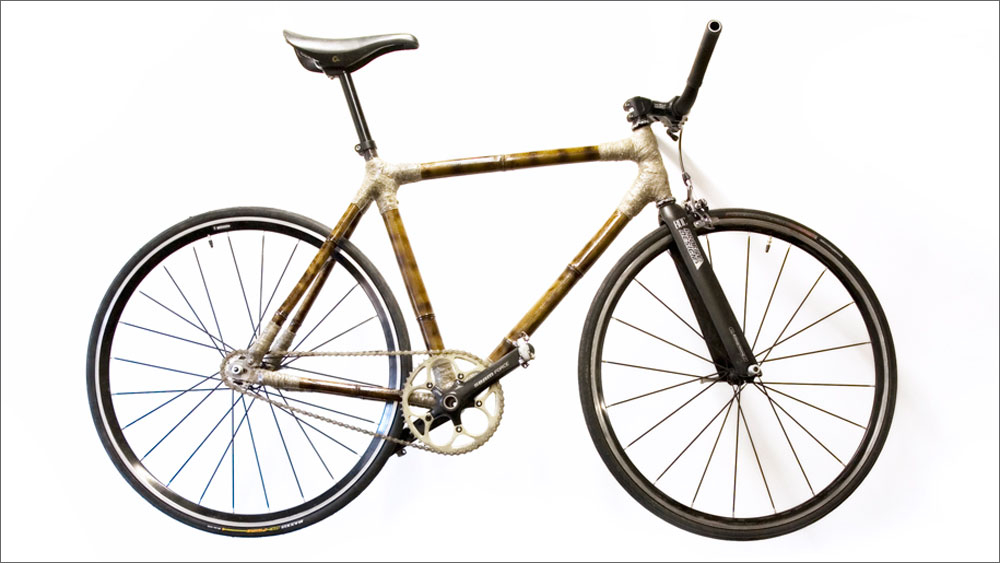
The Bamboo Bicycle: A Sustainable and Unique Mode of Transportation
Introduction:
In recent years, there has been a growing interest in alternative modes of transportation that are not only environmentally friendly but also unique and stylish. One such option is the bamboo bicycle, which has gained popularity in various parts of the world for its sustainable nature, high mechanical strength, and ability to absorb vibrations. In this article, we will delve into the history of bamboo bicycles, modern production methods, notable manufacturers, and DIY workshops that allow individuals to build their own bamboo bicycles.
What Makes Bamboo Bicycles Unique?
Bamboo bicycles offer several advantages over traditional bikes, making them an attractive option for environmentally conscious cyclists:
- Natural appearance: Bamboo is a sustainable, renewable resource that provides an attractive alternative to synthetic materials.
- Mechanical strength: Bamboo is surprisingly strong and resistant to mechanical stress, making it ideal for bicycle frames.
- Vibration absorption: The natural properties of bamboo allow it to absorb vibrations, reducing the impact on the rider.
Benefits of Bamboo Bicycles
The benefits of bamboo bicycles are numerous:
- Eco-friendliness: Bamboo is a highly renewable resource that requires minimal land use and water consumption.
- Durability: Bamboo bicycles can last for many years with proper maintenance, making them a cost-effective option in the long run.
- Unique design features: Bamboo bicycles offer a unique aesthetic appeal that sets them apart from traditional bikes.
History of Bamboo Bicycles
The first bamboo bicycle was presented in 1894, and since then, various companies have developed their own versions. In 1895, August Oberg and Andrew Gustafson filed a patent for the first bamboo bicycle design in the US. However, it wasn’t until the 1990s that bamboo bicycles gained popularity worldwide.
Modern Production Methods
While traditional methods involve treating bamboo with heat or chemicals to enhance its durability, many modern manufacturers opt for more environmentally friendly approaches:
- Resin-based treatments: Some companies apply resin-based coatings to protect the bamboo from moisture and UV damage.
- Sigillanti in poliuretano: This type of sealant is commonly used to enhance the durability of bamboo bicycles.
Notable Manufacturers
Several companies produce high-quality bamboo bicycles, including:
- Calfee Design: Known for their innovative designs and commitment to sustainability.
- Biomega: Offers a range of eco-friendly bicycles made from sustainable materials.
- FlavioDeslandes: A French company that specializes in handmade bamboo bicycles with unique designs.
- Bambooryist (an Italian startup producing bamboo bicycles in Sicily): Offers affordable and stylish bamboo bicycles.
DIY Bamboo Bike Workshop
The Bamboo Bike Project offers a two-day workshop where participants can build their own bamboo bicycle using pre-cut parts and specialized tools. This hands-on approach allows individuals to learn about the process of creating bamboo bicycles while developing their DIY skills.
Conclusion
Bamboo bicycles offer an innovative solution for sustainable transportation, combining eco-friendliness with unique design features. While production methods have evolved over time, the benefits of this mode of transportation remain undeniable. Whether you’re a seasoned cyclist or just looking for a new way to get around, bamboo bicycles are definitely worth considering.
Advantages and Disadvantages of Bamboo Bicycles
While bamboo bicycles offer several advantages, there are also some disadvantages to consider:
- Weight: Bamboo bicycles can be heavier than traditional bikes due to the weight of the bamboo frame.
- Durability: While bamboo bicycles are durable, they may not withstand extreme weather conditions or rough terrain.
- Availability: Bamboo bicycles may not be widely available in all regions, which can limit accessibility.
Future Developments
As the demand for sustainable transportation increases, bamboo bicycle manufacturers will likely continue to innovate and improve their products. Some potential future developments include:
- Integration of technology: Incorporating advanced technologies such as sensors and GPS into bamboo bicycles could enhance their functionality.
- Sustainable materials: Using even more sustainable materials in the production process could reduce the environmental impact of bamboo bicycles.
- Affordability: Reducing the cost of bamboo bicycles could make them more accessible to a wider audience.
Target Audience
Bamboo bicycles are suitable for various types of cyclists, including:
- Environmentally conscious cyclists: Those who prioritize sustainability and eco-friendliness will appreciate the benefits of bamboo bicycles.
- Cyclists with sensitive joints: The vibration-absorbing properties of bamboo bicycles can be particularly beneficial for cyclists with sensitive joints or back problems.
- Tourists and visitors: Bamboo bicycles offer a unique mode of transportation that can enhance travel experiences.
Marketing Strategies
To promote bamboo bicycles, manufacturers and retailers could employ various marketing strategies, including:
- Social media campaigns: Utilizing social media platforms to showcase the benefits and unique features of bamboo bicycles.
- Influencer partnerships: Collaborating with influencers and cycling personalities to promote bamboo bicycles.
- Events and workshops: Hosting events and workshops to educate customers about the benefits of bamboo bicycles.
Challenges and Limitations
Despite their potential, bamboo bicycles face several challenges and limitations:
- Scalability: Bamboo bicycle production can be time-consuming and labor-intensive, which may limit scalability.
- Regulatory frameworks: Developing and implementing regulatory frameworks that support the sustainable production of bamboo bicycles can be complex.
- Consumer education: Educating consumers about the benefits and unique features of bamboo bicycles is crucial to their adoption.
In conclusion, bamboo bicycles offer a unique solution for sustainable transportation, combining eco-friendliness with unique design features. While challenges and limitations exist, manufacturers and retailers are working to overcome these obstacles and promote the benefits of bamboo bicycles to a wider audience.


