
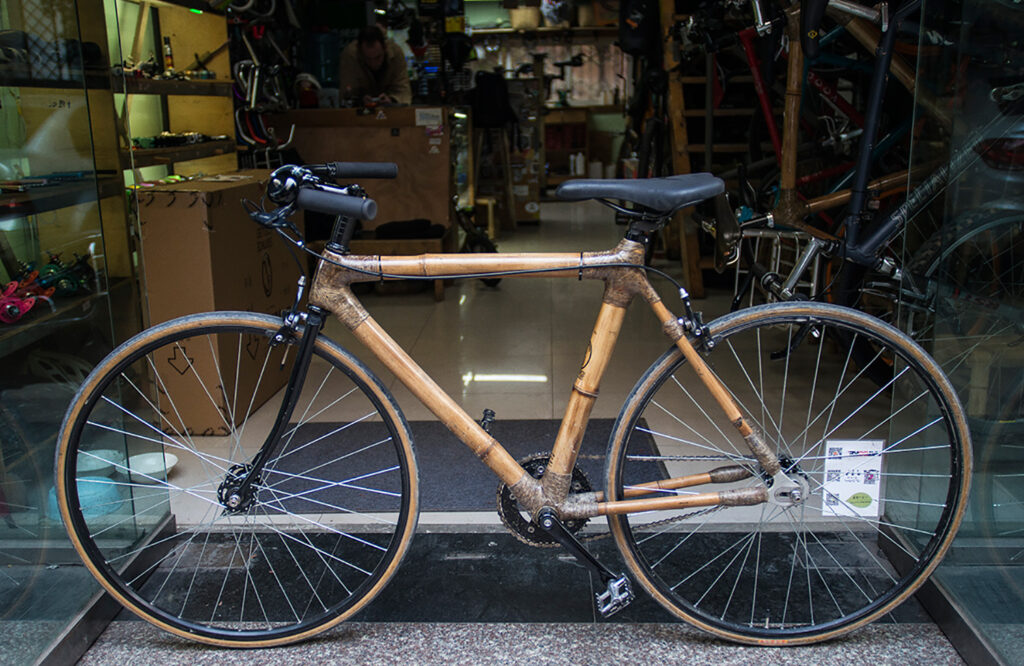
As the world becomes increasingly aware of the need to reduce its carbon footprint, innovative solutions like the bamboo bicycle are emerging as a viable alternative to traditional modes of transportation. In this article, we’ll delve into the world of bamboo bicycles, exploring their unique features, production process, and the companies that are leading the charge.
What Makes Bamboo Bicycles Special?
Bamboo bicycles have gained popularity in recent years due to their exceptional strength-to-weight ratio, making them an attractive option for cyclists who value both performance and sustainability. Unlike traditional steel or aluminum frames, bamboo bicycles feature a unique structure composed of thin bamboo tubes that are carefully joined together using specialized joints.
A Brief History of Bamboo Bicycles
While the concept of bamboo bicycles has been around for decades, it wasn’t until recent years that they gained widespread recognition as a viable alternative to traditional bicycles. The first bamboo bicycle was created in the 1990s, but it wasn’t until the early 2000s that the industry began to take off.
How Are Bamboo Bicycles Made?
The production of bamboo bicycles is a labor-intensive process that requires great skill and attention to detail. Each bamboo tube is carefully selected and prepared before being joined together using specialized joints. The tubes are then treated with various methods, such as thermally treating or applying a protective coating, to enhance their durability and resistance to moisture.
Types of Joints Used in Bamboo Bicycle Construction
There are several types of joints used in bamboo bicycle construction, each with its own unique benefits and drawbacks. Some common types include:
- Metallic joints: These use traditional metal fasteners to join the bamboo tubes together.
- Carbon fiber reinforced joints: These utilize carbon fibers to reinforce the joints and improve their strength-to-weight ratio.
- Natural fiber joints: These use natural fibers, such as hemp or flax, to create a more environmentally friendly alternative.
Bamboo Bicycle Production: A Labor-Intensive Process
The production of bamboo bicycles is a labor-intensive process that requires great skill and attention to detail. Each bicycle is typically handmade by skilled craftsmen who spend hours selecting and preparing the bamboo tubes, joining them together using specialized joints, and treating the frame to enhance its durability.
Bamboo Bicycle Companies: Leading the Charge
Several companies are leading the charge in the bamboo bicycle industry, pushing the boundaries of innovation and sustainability. Some notable examples include:
- Bambooryist: A young start-up from Sicily that produces high-quality bamboo bicycles using traditional craftsmanship.
- Green Cycle: A company based in Italy that specializes in eco-friendly bicycles made from recycled materials.
Benefits of Bamboo Bicycles
- Sustainability: Bamboo is a highly renewable resource that requires minimal land use and produces less greenhouse gas emissions than traditional materials.
- Strength-to-weight ratio: Bamboo has an exceptional strength-to-weight ratio, making it ideal for creating strong and lightweight bicycle frames.
- Low maintenance: Bamboo bicycles require less maintenance than traditional steel or aluminum frames, as they are resistant to corrosion and can withstand rough handling.
Challenges of Bamboo Bicycles
- Availability: Bamboo is not widely available in all parts of the world, making it difficult for manufacturers to source high-quality materials.
- Cost: While bamboo bicycles may be more expensive upfront, they offer a longer lifespan and greater durability than traditional steel or aluminum frames, making them a more cost-effective option in the long run.
Conclusion
As the world becomes increasingly aware of the need to reduce its carbon footprint, innovative solutions like the bamboo bicycle are emerging as a viable alternative to traditional modes of transportation. With their exceptional strength-to-weight ratio and sustainable production process, bamboo bicycles offer an attractive option for cyclists who value both performance and sustainability.
Frequently Asked Questions
- What is the difference between a bamboo bicycle and a traditional bicycle?
A bamboo bicycle features a unique structure composed of thin bamboo tubes that are carefully joined together using specialized joints. This creates a stronger and more sustainable alternative to traditional steel or aluminum frames. - How long does it take to make a bamboo bicycle?
The production process for a bamboo bicycle can take anywhere from several hours to several days, depending on the complexity of the design and the skill level of the craftsman. - Are bamboo bicycles more expensive than traditional bicycles?
While bamboo bicycles may be more expensive upfront due to their labor-intensive production process, they offer a longer lifespan and greater durability than traditional steel or aluminum frames, making them a more cost-effective option in the long run.
What are the Environmental Benefits of Bamboo Bicycles?
- Reduced carbon footprint: Bamboo is a highly renewable resource that produces less greenhouse gas emissions than traditional materials.
- Minimal land use: Bamboo requires minimal land use compared to other sustainable materials, making it an attractive option for eco-conscious cyclists.
- Low waste production: The production process for bamboo bicycles generates minimal waste, reducing the environmental impact of the industry.
What are the Health Benefits of Bamboo Bicycles?
- Reduced risk of injury: Bamboo bicycles are designed to be lightweight and strong, reducing the risk of injury compared to traditional steel or aluminum frames.
- Improved balance and stability: The unique structure of bamboo bicycles provides improved balance and stability, making them easier to ride for cyclists of all skill levels.
- Low vibration: Bamboo bicycles produce minimal vibration, providing a smoother riding experience for cyclists.
Conclusion
As the world becomes increasingly aware of the need to reduce its carbon footprint, innovative solutions like the bamboo bicycle are emerging as a viable alternative to traditional modes of transportation. With their exceptional strength-to-weight ratio and sustainable production process, bamboo bicycles offer an attractive option for cyclists who value both performance and sustainability.


