
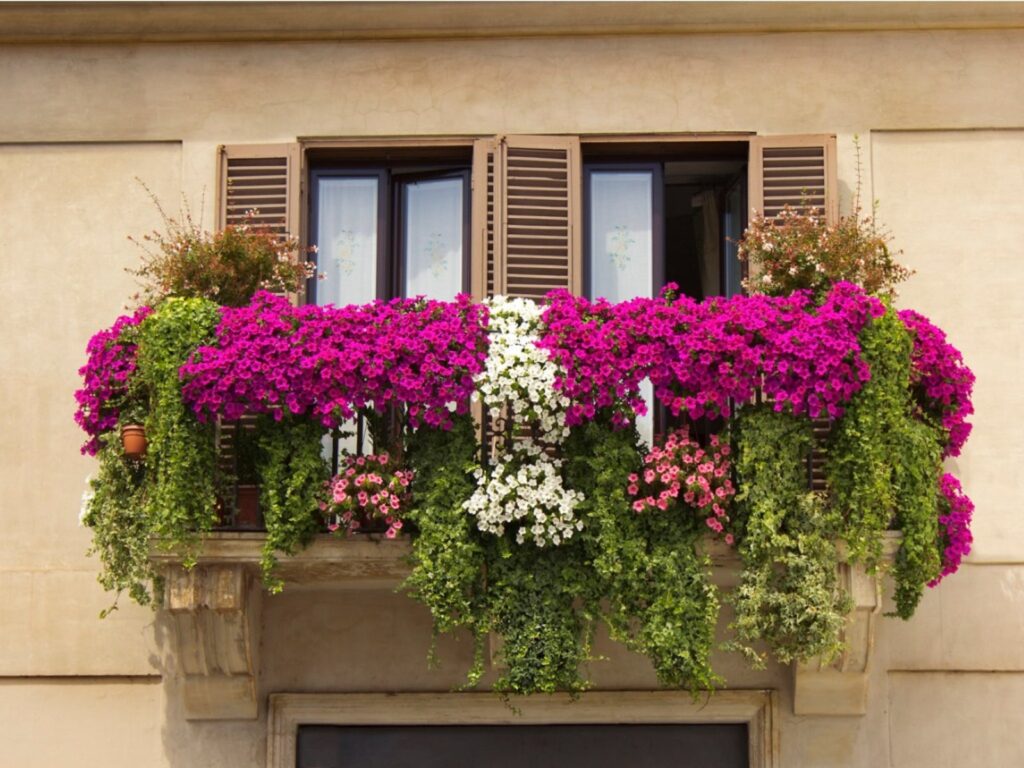
As you gaze out at the vibrant colors of your balcony, do you wish it could be filled with an even more stunning display of flowers? If so, you’re not alone. Growing flowers on your balcony can be a challenge, but with the right selection and care, it’s achievable. In this article, we’ll delve into the world of balcony blooms, exploring the best types of flowers to choose, how to create a thriving vertical garden, and providing expert tips for overcoming common obstacles.
Understanding Balcony Gardens
Before diving into the specifics of balcony gardens, it’s essential to understand their unique characteristics. Unlike traditional gardens, balconies face specific challenges such as:
- Unpredictable wind patterns
- Variable sunlight exposure
- Limited space
To overcome these hurdles, we’ll focus on selecting flowers that are resilient, adaptable, and can thrive in a variety of conditions.
Choosing the Right Flowers
When selecting flowers for your balcony garden, it’s crucial to choose species that are well-suited to the specific challenges faced by balconies. Some excellent options include:
- Armeria: A perennial flower from Asia and North Africa, Armeria is known for its evergreen foliage and vibrant pink blooms in spring.
- Dianthus: A classic garland flower, Dianthus can be grown on a balcony with proper care and selection of the most resilient species.
- Vinca: An evergreen flowering plant, Vinca is perfect for balconies with partial shade and well-draining soil.
- Delosperma: A succulent-like flower, Delosperma produces long-lasting blooms in shades of yellow and pink.
Container Selection
When choosing a container for your balcony garden, it’s essential to consider factors such as:
- Material: Select lightweight containers that won’t be damaged by wind or rain.
- Size: Ensure the container is proportional to the size of your balcony and has sufficient drainage holes.
Consider using self-watering planters or hanging baskets to maximize space and create a stunning display. Make sure to choose containers with good air circulation to prevent fungal diseases.
Watering Your Balcony Garden
Proper watering is crucial for a thriving balcony garden. To avoid overwatering, consider using:
- A self-watering pot or a drip irrigation system
- A moisture meter to monitor soil levels
Water your flowers in the morning to allow the plants to absorb the water throughout the day. Avoid watering during the hottest part of the day to prevent scorching the leaves.
Tips for a Blooming Balcony
To create a stunning and vibrant balcony garden, keep the following tips in mind:
- Start small: Begin with a few select flowers and gradually expand your garden as you gain experience.
- Choose low-maintenance plants: Select plants that are easy to care for and can thrive in a variety of conditions.
- Monitor temperature and humidity: Most flowers prefer temperatures between 65°F-75°F (18°C-24°C) and relative humidity levels between 40-60%.
Balcony Garden Care: Common Challenges
When growing flowers on your balcony, you may encounter common challenges such as:
- Unpredictable wind patterns
- Limited space
- Overwatering
To overcome these hurdles, consider the following strategies:
- Use a windbreak: Create a barrier using plants or a trellis to protect your garden from strong winds.
- Prune regularly: Prune your flowers regularly to maintain shape and promote healthy growth.
- Monitor soil moisture: Regularly check the soil moisture levels to avoid overwatering.
Balcony Bloom FAQ
Here are eight frequently asked questions about balcony blooms:
- Q: What is the best way to water my balcony garden?
A: Use a self-watering pot or drip irrigation system, and monitor soil levels with a moisture meter. - Q: How often should I prune my balcony flowers?
A: Prune your flowers regularly to maintain shape and promote healthy growth. - Q: Can I grow flowers on my balcony in the winter?
A: Yes, choose varieties that are tolerant of cooler temperatures and provide protection from frost. - Q: What type of soil should I use for my balcony garden?
A: Use a well-draining potting mix specifically designed for container gardens. - Q: How can I protect my balcony flowers from strong winds?
A: Use a windbreak, such as plants or a trellis, to create a barrier. - Q: What are some low-maintenance flowering plants for balconies?
A: Choose species like Vinca, Delosperma, and Armeria, which are easy to care for and adaptable to various conditions. - Q: Can I grow succulents on my balcony?
A: Yes, succulents like Delosperma can thrive in containers with proper drainage and sunlight exposure. - Q: How do I prevent overwatering in my balcony garden?
A: Monitor soil moisture levels regularly, use a self-watering pot or drip irrigation system, and avoid watering during the hottest part of the day.
Additional Tips for Balcony Blooms
In addition to choosing the right flowers and containers, here are some extra tips to keep in mind:
- Provide enough sunlight: Most flowers require at least 4-6 hours of direct sunlight per day.
- Fertilize regularly: Use a balanced fertilizer specifically designed for container gardens.
- Repot as needed: Transplant your plants into larger containers when necessary to prevent root bound conditions.
By following these expert tips and choosing the right flowers for your balcony, you can create a stunning and thriving vertical garden that brings beauty and joy to your outdoor space.


