
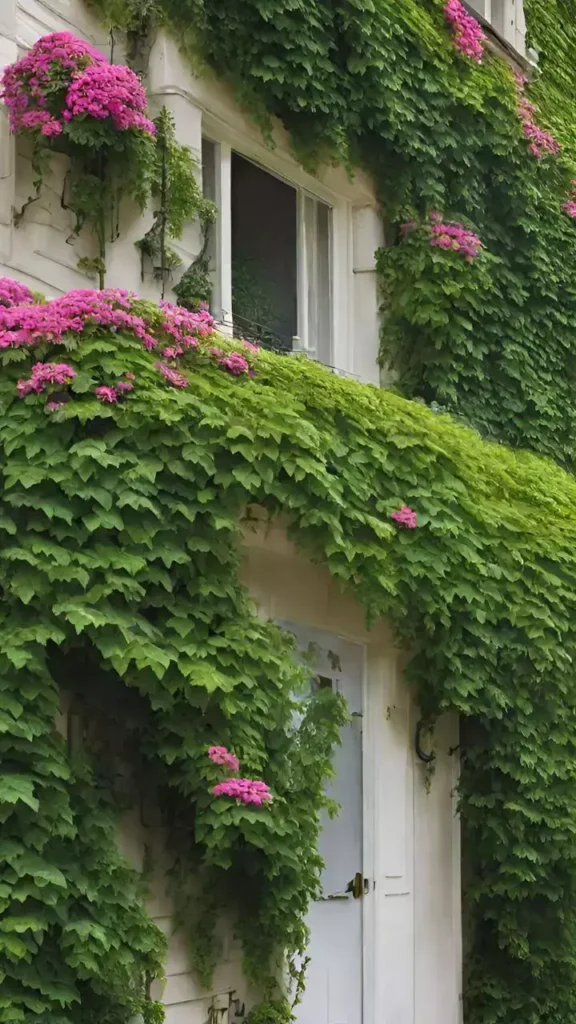
The Joy of Rampant Wall Plants: Bringing Color and Life to Your Outdoor Space
As the sun shines brightly in your garden, you can’t help but feel a sense of excitement and joy. But have you ever stopped to think about how to add a personal touch to your outdoor space? That’s where rampant wall plants come in – these amazing plants are perfect for adorning and coloring any open area, bringing a pop of color and life to your garden.
What Are Rampant Wall Plants?
Rampant wall plants are characterized by their ability to climb on walls, railings, and supports. This unique feature allows them to grow and thrive in unexpected ways, creating beautiful flower and leaf compositions. Whether you’re looking for a low-maintenance solution or a statement piece, rampant wall plants are the perfect choice.
Types of Wall Plants
There are many different types of wall plants to choose from, each with its own unique characteristics and benefits. Some popular options include:
- Flowering Wall Plants: These plants produce beautiful flowers that can add a touch of elegance and sophistication to your garden.
- Leafy Wall Plants: These plants have stunning leaves that can provide a striking contrast to the surrounding environment.
Choosing the Right Vase
When it comes to choosing a vase for your rampant wall plant, there are several factors to consider. Here are some tips to help you make the right choice:
- South-Facing Position: Place your vase in a south-facing position to maximize sunlight and warmth.
- Large Enough: Choose a vase that is large enough to avoid overflow, but not so big that it becomes overwhelming.
- Natural Materials: Opt for terracotta or wooden vases with drainage holes at the bottom to prevent waterlogging.
Planting and Caring for Your Wall Plant
To keep your wall plant happy and healthy, follow these simple tips:
- Soil Selection: Choose an acid-loving soil to ensure optimal growth.
- Watering Schedule: Water regularly, but avoid overwatering, which can lead to waterlogging.
- Pruning: Regularly prune between late winter and early spring to maintain shape and promote healthy growth.
Fertilizing and Reproduction
To keep your wall plant thriving, fertilize the surface layer of the soil every early spring. You can also reproduce your plant through cutting about 10 cm from the lateral growth and planting with a mixture of sand and peat moss.
Varieties of Wall Plants
There are many different varieties of wall plants to choose from, including:
- Ivy: A classic choice for its ease of care and versatility.
- Ornithogalum: A flowering plant that produces delicate white blooms.
- Honeysuckle: A climbing plant with fragrant flowers that attract butterflies and hummingbirds.
Some other options include:
- Bougainvillea: A flowering vine with vibrant pink, purple, or white blooms.
- Rhododendron: A flowering shrub with stunning blooms in a variety of colors.
- Sweet Pea: A climbing plant with fragrant flowers that come in a range of colors.
Benefits of Using Rampant Wall Plants
Rampant wall plants offer a range of benefits, including:
- Low Maintenance: They are easy to care for and can thrive in a variety of conditions.
- Improved Air Quality: They help purify the air and create a healthier environment.
- Increased Biodiversity: They provide a home for beneficial insects and animals.
Popular Varieties of Wall Plants
Some popular varieties of wall plants include:
- Ivy: A classic choice for its ease of care and versatility.
- Ornithogalum: A flowering plant that produces delicate white blooms.
- Honeysuckle: A climbing plant with fragrant flowers that attract butterflies and hummingbirds.
Tips for Choosing the Right Vase
Here are some tips to help you choose the right vase for your rampant wall plant:
- South-Facing Position: Place your vase in a south-facing position to maximize sunlight and warmth.
- Large Enough: Choose a vase that is large enough to avoid overflow, but not so big that it becomes overwhelming.
- Natural Materials: Opt for terracotta or wooden vases with drainage holes at the bottom to prevent waterlogging.
Conclusion
Rampant wall plants are the perfect addition to any outdoor space. With their unique ability to climb and thrive on walls, railings, and supports, they can add a touch of elegance and sophistication to your garden. By following these simple tips for choosing the right vase, planting, and caring for your wall plant, you can enjoy the beauty and benefits of these amazing plants for years to come.
Frequently Asked Questions
- What are the benefits of using rampant wall plants in my garden?
Rampant wall plants offer a range of benefits, including low maintenance, improved air quality, and increased biodiversity. - How often should I water my wall plant?
Water your wall plant regularly, but avoid overwatering, which can lead to waterlogging. - Can I use any type of vase for my rampant wall plant?
Choose a vase that is large enough to avoid overflow and made from natural materials with drainage holes at the bottom. - How often should I fertilize my wall plant?
Fertilize the surface layer of the soil every early spring to promote healthy growth. - Can I reproduce my wall plant through cutting?
Yes, you can reproduce your wall plant by cutting about 10 cm from the lateral growth and planting with a mixture of sand and peat moss. - What are some popular varieties of wall plants?
Some popular varieties of wall plants include ivy, ornithogalum, honeysuckle, bougainvillea, rhododendron, sweet pea, campanula, clematis, and Bignonia. - How do I prune my wall plant?
Prune your wall plant between late winter and early spring to maintain shape and promote healthy growth. - Can I use a trellis or other support for my rampant wall plant?
Yes, you can use a trellis or other support to help train your wall plant to grow upwards and reach its full potential.
By following these simple tips, you can enjoy the beauty and benefits of rampant wall plants in your garden. Whether you’re looking for a low-maintenance solution or a statement piece, there’s sure to be a type of wall plant that suits your needs.


