
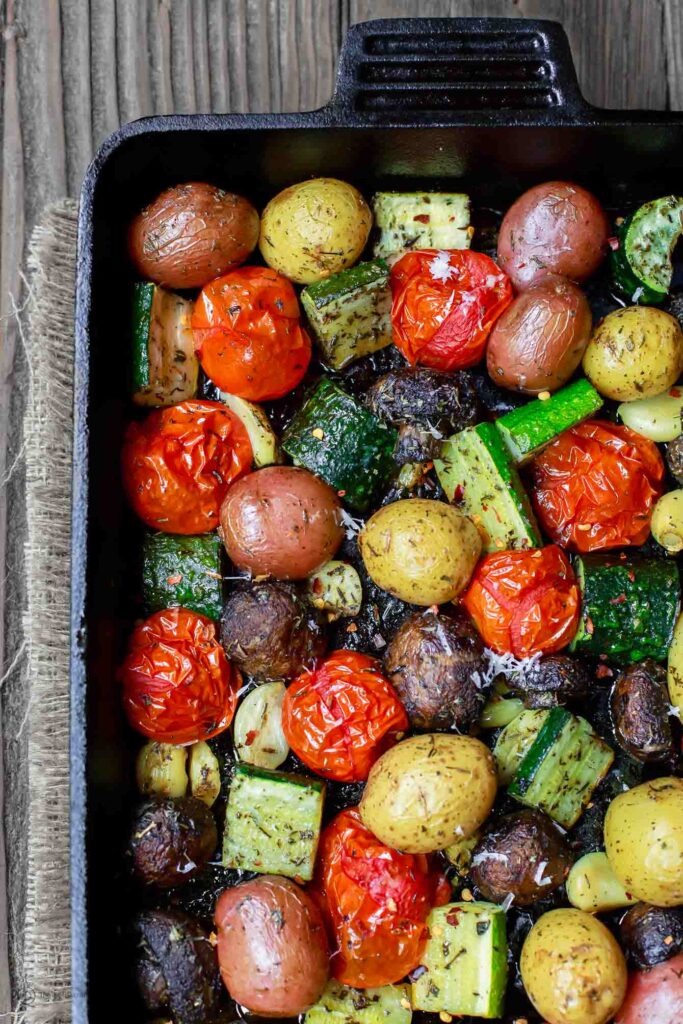
As the summer months approach, our bodies crave fresh, vibrant foods that are packed with nutrients. Among these, vegetables take center stage for their incredible health benefits and versatility in recipes. Whether you’re a grill master or a pasta aficionado, cooking vegetables is an art form worth mastering. In this article, we’ll delve into the world of roasted vegetables, exploring their numerous health benefits, the best ways to prepare them, and some tasty recipe ideas.
Why Roasted Vegetables are the Ultimate Superfood
When it comes to cooking vegetables, roasting is one of the most effective methods for unlocking their hidden flavors and nutritional properties. Unlike boiling or steaming, which can result in a loss of nutrients, roasting brings out the natural sweetness and depth of flavor in vegetables. This technique not only makes them more palatable but also increases their bioavailability, making it easier for our bodies to absorb the essential vitamins and minerals.
The Health Benefits of Roasted Vegetables
Roasted vegetables are a powerhouse of nutrition, packed with antioxidants, fiber, and other essential nutrients that support overall health and well-being. Some of the key benefits include:
- Reduced inflammation: The heat from roasting breaks down cell walls, releasing anti-inflammatory compounds that help reduce inflammation in the body.
- Boosted immune system: Roasted vegetables are rich in vitamin C, which plays a crucial role in immune function and can help prevent illnesses like the common cold.
- Improved digestion: Fiber-rich roasted vegetables support healthy gut bacteria, promoting regular bowel movements and preventing constipation.
The Ultimate Guide to Preparing Vegetables for Roasting
Before we dive into recipes, it’s essential to understand how to prepare your vegetables for roasting. Here are some tips to keep in mind:
- Choose a variety of colorful vegetables: A mix of vegetables will not only add visual appeal but also provide a range of nutrients and flavors.
- Cut vegetables into bite-sized pieces: This ensures even cooking and prevents overcooking, which can lead to a loss of nutrients.
- Drizzle with olive oil and season with salt and pepper: This simple seasoning combination enhances the natural flavors of your vegetables while providing essential minerals.
Recipe 1: Roasted Vegetables with Besciamella Sauce
This classic Italian recipe is a staple for a reason. The creamy besciamella sauce perfectly complements the roasted vegetables, creating a dish that’s both comforting and elegant.
Ingredients:
- 2 zucchinis
- 2 carrots
- 3 potatoes
- 300g of mushrooms
- 1 onion
- A handful of raisins
- A handful of pine nuts
- Grated Parmesan cheese
- 150g of Leerdammer
- 0.5g of sesame seeds
- Salt and pepper to taste
Instructions:
- Preheat your oven to 180°C (350°F).
- Cut the carrots, potatoes, and zucchinis into bite-sized pieces.
- Slice the mushrooms and onions thinly.
- In a bowl, mix together the grated Parmesan cheese, raisins, pine nuts, and sesame seeds.
- Add the sliced mushrooms, onions, carrots, potatoes, and zucchinis to the bowl, tossing them gently to combine.
- Drizzle with olive oil and season with salt and pepper.
- Transfer the mixture to a baking dish and bake for 35 minutes or until golden brown.
Recipe 2: Vegan Roasted Vegetables with Tofu
For our vegan friends, we’ve created a recipe that’s just as delicious and satisfying as its non-vegan counterpart. The use of tofu provides a creamy texture that pairs perfectly with the roasted vegetables.
Ingredients:
- 2 zucchinis
- 2 carrots
- 3 potatoes
- 300g of mushrooms
- 1 onion
- A handful of raisins
- A handful of pine nuts
- Sesame seeds
- Salt and pepper to taste
- 150g of tofu
Instructions:
- Preheat your oven to 180°C (350°F).
- Cut the carrots, potatoes, and zucchinis into bite-sized pieces.
- Slice the mushrooms and onions thinly.
- In a bowl, mix together the grated Parmesan cheese, raisins, pine nuts, and sesame seeds.
- Add the sliced mushrooms, onions, carrots, potatoes, and zucchinis to the bowl, tossing them gently to combine.
- Drizzle with olive oil and season with salt and pepper.
- Transfer the mixture to a baking dish and bake for 35 minutes or until golden brown.
- Cut the tofu into small cubes and add it to the roasted vegetables.
Tips for Roasting Vegetables at Home
To take your roasting game to the next level, here are some tips to keep in mind:
- Use a variety of cooking oils: From olive oil to avocado oil, each oil has its unique flavor profile that can enhance the taste of your roasted vegetables.
- Experiment with spices and herbs: Cumin, paprika, and rosemary are just a few examples of spices and herbs that can add depth and complexity to your roasted vegetables.
Additional Tips for Perfect Roasting
Here are some additional tips to ensure you’re getting the most out of your roasting experience:
- Don’t overcrowd the pan: Make sure there’s enough space between each piece of vegetable so they have room to cook evenly.
- Rotate the vegetables regularly: This ensures even cooking and prevents hot spots that can lead to burnt or undercooked areas.
- Keep an eye on the temperature: Use a thermometer to ensure your oven is at the correct temperature, which can affect the outcome of your roasted vegetables.
The Importance of Cooking Times
When it comes to roasting vegetables, cooking times are crucial for achieving the perfect texture and flavor. Here’s a general guide for common vegetables:
- Root vegetables: 20-30 minutes
- Brassicas: 15-25 minutes
- Mushrooms: 10-15 minutes
- Tofu: 10-15 minutes
Common Mistakes to Avoid
To ensure your roasted vegetables are nothing short of perfect, here are some common mistakes to avoid:
- Not seasoning the vegetables: A lack of seasoning can result in under-flavored or bland roasted vegetables.
- Overcooking the vegetables: Overcooked vegetables can be mushy, dry, and flavorless.
- Using low-quality ingredients: The quality of your ingredients can affect the overall taste and texture of your roasted vegetables.
Conclusion
Roasting vegetables is an art form that requires patience, practice, and experimentation. With these tips and recipes, you’ll be well on your way to creating delicious and nutritious meals that will impress even the most discerning palates. So go ahead, get creative, and roast those vegetables!


