
As we go about our daily lives, it’s natural to wonder if the food we eat is safe for consumption. One question that often comes up is whether bacteria are present in foods and what impact they might have on our health. In this article, we’ll delve into the world of bacteria in food, exploring their types, benefits, and risks.
Why Are Bacteria Present in Food?
There are two main reasons why bacteria can be found in food:
- Natural Presence: Some bacteria are naturally present in foods due to the way they’re produced or processed.
- Contamination: Bacteria can also contaminate food during handling, storage, and preparation.
What Are Bacteria?
Bacteria are single-celled organisms that belong to the prokaryotic group of microorganisms. They’re smaller than eukaryotic cells (such as those found in plants and animals) and have a simpler structure. Some bacteria can cause disease, while others are harmless or even beneficial.
Types of Bacteria
Bacteria can be classified into various groups based on their characteristics, such as:
- Gram-positive (Gram+): These bacteria retain the crystal violet stain used in the Gram staining procedure and appear purple under a microscope. Examples include Staphylococcus aureus, Escherichia coli, and Bacillus subtilis
- Gram-negative (Gram-): These bacteria do not retain the crystal violet stain and appear pink or red under a microscope. Examples include Salmonella, Shigella, and Yersinia
Benefits of Beneficial Bacteria
While some bacteria can cause harm, others play an essential role in our health:
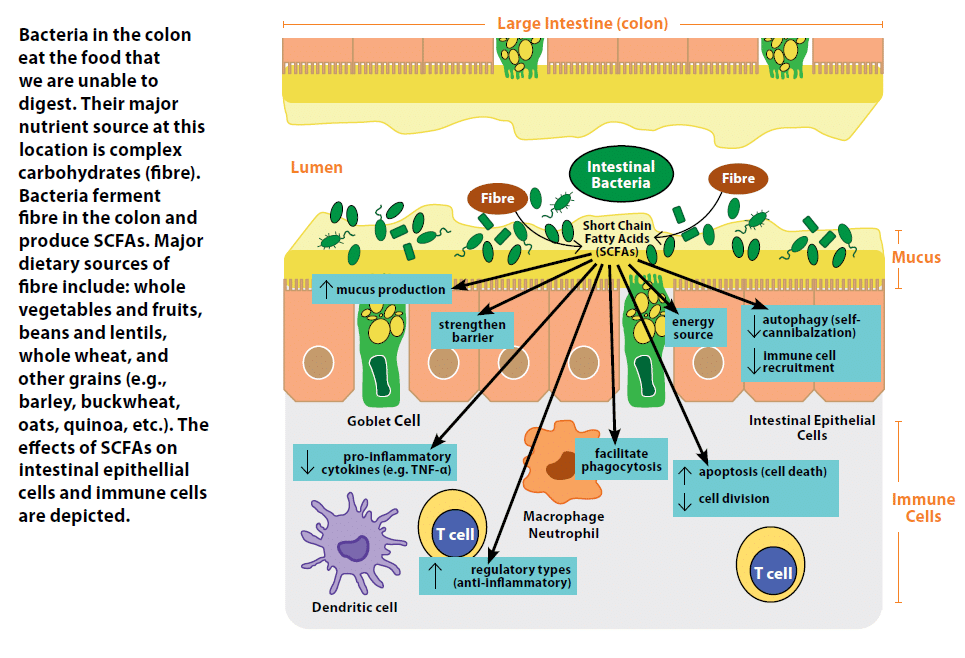
- Probiotics: Certain beneficial bacteria, such as Lactobacillus acidophilus, help maintain a healthy gut microbiome and support digestion.
- Fermentation: Yeast and other microorganisms contribute to the fermentation process, which helps preserve food, create flavor compounds, and increase nutritional value.
Risks Associated with Pathogenic Bacteria
Certain bacteria can cause illness or infections. Some examples include:
- Salmonella: Found in undercooked poultry, eggs, and meat, this bacterium can lead to diarrhea, fever, and abdominal cramps.
- Escherichia coli (E. coli): Commonly found in contaminated water and food, E. coli can cause severe kidney damage or even death.
Prevention Strategies
To minimize the risk of bacterial contamination:
- Proper Handling: Always wash your hands before handling food, and ensure utensils and surfaces are cleaned regularly.
- Safe Cooking Practices: Cook food thoroughly to an internal temperature that kills bacteria, such as 165°F (74°C) for poultry and eggs.
- Store Food Safely: Keep perishable foods refrigerated at a consistent temperature below 40°F (4°C), and discard any expired or spoiled items.
Conclusion
Bacteria can be present in food due to natural presence or contamination. While some bacteria are harmless, others can cause illness or infections. Understanding the differences between beneficial and pathogenic bacteria can help us make informed decisions about our diet and lifestyle. By following proper handling, cooking, and storage practices, we can minimize the risk of bacterial contamination.
Frequently Asked Questions (FAQs)
Q: Can I get sick from eating food contaminated with bacteria?
A: Yes, consuming contaminated food can lead to illness or infections. Symptoms vary depending on the type of bacteria but may include diarrhea, fever, abdominal cramps, and kidney damage.
Q: Are all bacteria harmful?
A: No, many bacteria are harmless and even beneficial to our health. Beneficial bacteria, such as probiotics, play a crucial role in maintaining a healthy gut microbiome and supporting digestion.
Q: Can I prevent bacterial contamination?
A: Yes, proper handling, cooking practices, and safe storage can minimize the risk of bacterial contamination. Always wash your hands before handling food, cook food thoroughly to an internal temperature that kills bacteria, and keep perishable foods refrigerated at a consistent temperature below 40°F (4°C).
Q: Can I get sick from drinking water contaminated with bacteria?
A: Yes, consuming water contaminated with pathogenic bacteria can lead to illnesses such as cholera or diarrhea.
Q: Are there any ways to test for bacterial contamination in food?
A: Yes, various methods can be used to detect bacterial contamination, including culturing the bacteria on agar plates and using molecular techniques like PCR (polymerase chain reaction).
Q: Can I treat bacterial infections at home?
A: No, most bacterial infections require medical attention. Antibiotics may be prescribed to help clear up an infection, but it’s essential to follow a healthcare professional’s advice.
Q: Are there any foods that are naturally high in beneficial bacteria?
A: Yes, some fermented foods like yogurt, kefir, sauerkraut, and kimchi contain beneficial bacteria. Eating these foods as part of a balanced diet can help support your gut microbiome.
Common Food Sources of Bacteria
- Meat: Raw or undercooked meat, especially poultry and beef, can harbor bacteria like E. coli, Salmonella, and Campylobacter
- Dairy Products: Unpasteurized dairy products, such as raw milk and soft cheeses, can contain harmful bacteria like Listeria
- Fresh Produce: Contaminated produce, especially leafy greens and berries, may harbor bacteria like E. coli
Understanding Bacterial Growth
Bacteria grow rapidly in ideal conditions:
- Optimal Temperature: Most bacteria thrive between 40°F (4°C) and 140°F (60°C)
- Nutrient Availability: Bacteria need nutrients to multiply, such as carbohydrates, proteins, and fats
- pH Levels: Many bacteria prefer a neutral or slightly acidic pH environment
Food Safety and Handling
Proper food handling is crucial in preventing bacterial contamination:
- Separate Raw and Cooked Foods: Prevent cross-contamination by separating raw meat, poultry, and seafood from cooked foods
- Use Separate Utensils and Cutting Boards: Avoid sharing utensils, cutting boards, or other equipment with raw or undercooked foods
Food Preservation
Various methods can help preserve food and prevent bacterial growth:
- Refrigeration: Store perishable foods at a consistent temperature below 40°F (4°C)
- Freezing: Freezing can kill bacteria, but proper thawing and handling are crucial
- Canning: Canned goods must be processed to kill off bacteria before consumption
Understanding Food Labels
Food labels can provide valuable information about bacterial contamination:
- “Safe Harbor” Label: Some products carry a “safe harbor” label, indicating that they’ve been tested for safety and meet certain standards
- “No Added Bacteria” Claim: Some foods claim to be “no added bacteria,” but this doesn’t guarantee complete safety
Conclusion
Bacteria can be present in food due to natural presence or contamination. While some bacteria are harmless, others can cause illness or infections. By understanding the differences between beneficial and pathogenic bacteria, following proper handling, cooking, and storage practices, and being aware of common food sources and bacterial growth, we can minimize the risk of bacterial contamination.
Food Safety Tips
- Always wash your hands before handling food
- Cook food thoroughly to an internal temperature that kills bacteria
- Store perishable foods refrigerated at a consistent temperature below 40°F (4°C)
- Use separate utensils and cutting boards for raw and cooked foods
- Avoid consuming undercooked or unpasteurized dairy products
Food Safety Resources
- Centers for Disease Control and Prevention (CDC): www.cdc.gov
- United States Department of Agriculture (USDA): www.usda.gov
- Food Safety and Inspection Service (FSIS): www.fsis.usda.gov
By being informed about bacteria in food, you can make better choices about what to eat and how to prepare your meals.



