
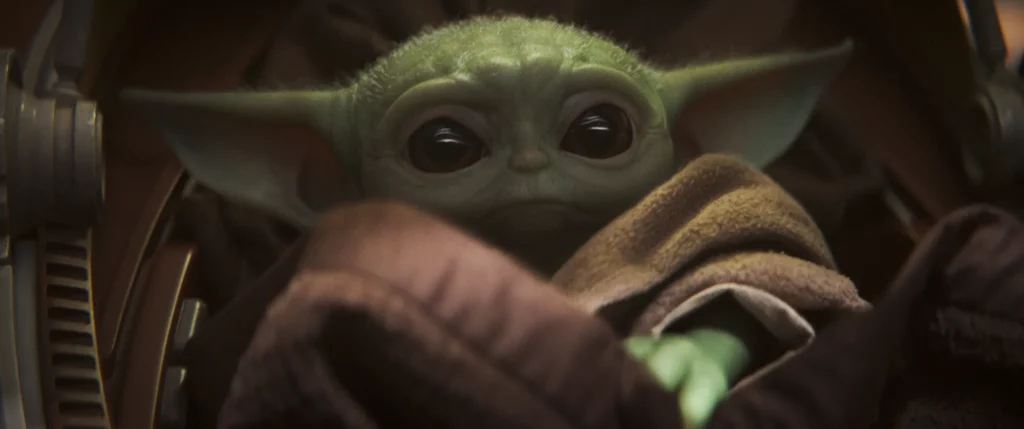
In a galaxy not so far away, a cultural phenomenon has taken the world by storm. Baby Yoda, formally known as Grogu, has captured the hearts of fans globally since his debut in The Mandalorian. This little green alien has transcended the boundaries of traditional fandom and created a seismic shift in pop culture, influencing fashion trends, merchandise sales, and online conversations. In this article, we’ll explore Baby Yoda’s impact on pop culture and how The Mandalorian became a groundbreaking series that redefined the Star Wars franchise.
The Rise of Baby Yoda: A Cultural Icon
When The Mandalorian premiered on Disney+ in November 2019, no one expected the character of Baby Yoda to become the breakout star of the show. A character shrouded in mystery and tenderness, Baby Yoda quickly became a favorite among audiences of all ages. His big, expressive eyes, whimsical antics, and overwhelmingly cute demeanor resonated with fans.
Baby Yoda’s design expertly taps into the age-old formula of cuteness, mirroring the traits of beloved characters from various franchises. But how did he go from a minor character to a cultural icon? The answer lies in the combination of timely marketing, relatable storytelling, and the mercy of social media.
The Magic of Timing: Timing Is Everything
The release of The Mandalorian coincided with a surge of interest in streaming services. Disney+ launched just days before the show’s premiere, instantly giving subscribers access to a fresh batch of content. As fans grappled with a world heavily influenced by social distancing and lockdowns due to the COVID-19 pandemic, The Mandalorian offered an escape into a galaxy filled with adventure and nostalgia.
Disney leveraged this timing to create an elaborate promotional campaign. Early trailers teased Baby Yoda’s appearance while withholding key details about his backstory. Fans buzzed with speculation, and this excitement paved the way for Baby Yoda to burst onto the scene in the first episode. When The Mandalorian debuted, audiences couldn’t help but fall in love with a character who, despite saying nothing, conveyed a wealth of emotion and meaning.
Social Media Sensation: Meme Culture Redefined
Once Baby Yoda was introduced, social media exploded with memes featuring the beloved character. From user-generated content to official merchandise releases, Baby Yoda quickly became a ubiquitous presence on platforms like Instagram, Twitter, and TikTok.
Memes featuring Baby Yoda enhanced relatability by using his expressive face to depict a myriad of scenarios, turning ordinary moments into easily digestible bits of comedy. The #BabyYoda hashtag racked up millions of posts, instantly making him a part of our everyday lives. Popular memes showed Baby Yoda eating food, sharing snippets of life lessons, or reacting hilariously to various situations, tapping into universal themes of love, nostalgia, and humor.
This online frenzy wasn’t just a passing trend; it established Baby Yoda as a relatable figure with human-like emotions, able to reflect our daily highs and lows. This connection made Baby Yoda more than just a cute character—he became a symbol of comfort during a time when many felt isolated and disconnected.
Merchandise Mania: The Baby Yoda Effect
Within weeks of the show’s release, the demand for Baby Yoda merchandise skyrocketed. Disney’s clever marketing strategy capitalized on this trend, flooding the market with everything from plush toys to apparel, home decor, and even kitchenware. Baby Yoda plush toys became a must-have item for both children and adults alike, causing shortages in stores and online.
The massive consumer response highlighted Baby Yoda’s role as a commercial powerhouse. His appeal led to a significant boost in sales for the Star Wars brand and Disney as a whole. According to reports from industry analysts, Baby Yoda’s merchandise sales contributed millions to the company’s bottom line during a crucial phase of growth for both Disney+ and the franchise.
The phenomenon even spurred homegrown entrepreneurship, with countless small business owners creating and selling their unique Baby Yoda-themed products online. From custom T-shirts to handmade crafts and art, the creative interpretations of Baby Yoda showcased the character’s widespread impact, extending far beyond the realm of official merchandise.
Pop Culture Crossovers: Breaking Boundaries
Baby Yoda’s reach stretches far beyond The Mandalorian. This tiny Jedi has infiltrated numerous aspects of modern culture, appearing in collaborations, advertisements, and other forms of media. In the realm of advertising, companies saw an opportunity to capitalize on Baby Yoda’s unprecedented popularity. Fast-food chains, technology companies, and consumer brands recognized his allure, leading to clever marketing campaigns that featured the character.
For instance, notable brands like Adidas crafted Baby Yoda-inspired sneakers, while companies like Lyft and Facebook spruced up their advertising with Baby Yoda references. This crossover effect showcased the character’s ability to transcend the boundaries of the Star Wars universe.
Moreover, artists and musicians began to incorporate Baby Yoda into their work. Celebrities started sharing memes and photos of themselves alongside baby Yoda, effectively blending the worlds of entertainment, fashion, and fandom. This synergetic effect demonstrated Baby Yoda’s growing status as a cultural touchstone, merging various subcultures around a single character.
[amazon box=”B08XLLF3PG”]
Nostalgia Meets Innovation: The Power of Storytelling
At the core of Baby Yoda’s cultural impact lies the storytelling prowess of The Mandalorian. The series expertly weaves nostalgia with innovative narrative techniques, striking a balance that resonates with both longtime Star Wars fans and newcomers to the franchise. The show revisits familiar themes such as heroism, camaraderie, and the classic battle between good and evil while introducing them through fresh perspectives.
Baby Yoda’s backstory intersects with broader narratives within the Star Wars universe, adding layers of depth to his character. He embodies the principles of mentorship and protection, reminiscent of the Jedi’s teachings, which resonate in today’s society. The willingness of the titular character, Din Djarin (the Mandalorian), to protect Baby Yoda at all costs is relatable and inspiring, driving home the importance of empathy and compassion.
The show’s unique blend of serialized storytelling and episodic adventures allows viewers to invest emotionally in baby Yoda’s journey. The display of nurturing instincts by Din—and ultimately, Baby Yoda’s growth—makes audiences root for the duo. This deep emotional connection was instrumental in transforming Baby Yoda into a cultural icon.
Embracing Diversity: Baby Yoda as a Symbol
In addition to his endearing qualities, Baby Yoda symbolizes an era of greater diversity and inclusion within the Star Wars franchise. While the original trilogy was breakthrough in its own right, the world of Star Wars has since expanded to tell stories that reflect the experiences of a variety of cultures and backgrounds.
Baby Yoda, with his ambiguous origins, plays a crucial role in this new narrative landscape. He challenges preconceived notions of traditional heroism and encourages viewers to accept characters who defy conventional archetypes. In many ways, Baby Yoda is simply a blank slate, allowing fans to project their feelings and experiences onto him, regardless of demographic differences.
The embrace of Baby Yoda as a universally loved figure emphasizes the power of storytelling to bridge gaps across generations and cultures. It demonstrates that no matter our individual backgrounds, we can find common ground in our love for a tiny green alien.
The Future of Baby Yoda and The Mandalorian
As seasons continue to roll out, questions about Baby Yoda’s character development, powers, and connections to the larger galaxy loom heavily over fans. Viewers eagerly await the next chapters in his story, as speculation grows surrounding the potential for Baby Yoda to be involved in upcoming Star Wars narrative threads.
Moreover, Baby Yoda’s influence shows no signs of diminishing; if anything, with new projects and storylines introduced to the franchise—such as The Book of Boba Fett and Ahsoka—the anticipation for Baby Yoda’s role only continues to grow. Each new installment opens the door for more merchandise collaborations, fan theories, and cultural conversations.
Conclusion: A Timeless Legacy
In summary, Baby Yoda’s impact on pop culture is undeniable. From humble beginnings in The Mandalorian to becoming a global sensation, Baby Yoda has not only revitalized the Star Wars franchise but also shaped the interactions and narratives of audiences worldwide. This character embodies the ethos of love, connection, and empathy, proving that even the smallest among us can have the greatest impact.
As we venture into the future of storytelling in the Star Wars universe, one thing is certain: Baby Yoda will continue to influence generations to come, proving that with a little creativity and heart, anything is possible—even in a galaxy far, far away. As you navigate your own journey through pop culture, keep an eye out for Baby Yoda—his legacy is just beginning.


