
Introduction
Azelaic acid, a naturally occurring compound produced by the fungus Malassezia furfur, has been gaining attention in recent years due to its numerous benefits for skin and hair care. But where does it come from, and what makes it so effective? In this article, we’ll delve into the world of azelaic acid and explore its uses, properties, and advantages.
What is Azelaic Acid?
Azelaic acid is a dicarboxylic fatty acid that can be found in small amounts on our skin. It’s also present in various foods, such as whole grains like wheat, rye, oats, and barley, as well as in olive oil. This compound plays a crucial role in our body’s natural defense system, fighting against bacteria and other microorganisms.
Acne Treatment with Azelaic Acid
When applied topically to the skin, azelaic acid has shown remarkable effectiveness in treating acne. Its antibacterial properties help reduce the population of Propionibacterium acnes (P. acnes), a type of bacteria that contributes to acne development. By inhibiting the enzyme 5-alpha-reductase, azelaic acid also prevents the conversion of testosterone to dihydrotestosterone (DHT), a hormone that can lead to androgenetic alopecia.
Anti-Dandruff Properties
Azelaic acid’s antifungal properties make it an excellent ingredient for treating dandruff. Its ability to inhibit fungal growth on the scalp helps reduce flaking and itching, leaving your hair looking healthier and shinier.
Hair Growth Promoter
Azelaic acid is also known to promote hair growth by reducing shedding and preventing further hair loss. When used in shampoos or conditioners, it can help strengthen hair follicles, leading to a fuller and more vibrant mane.
Anti-Aging Benefits
As we age, our skin becomes more susceptible to damage from UV radiation, pollution, and other environmental stressors. Azelaic acid’s antioxidant properties help protect the skin against these aggressors, reducing the appearance of fine lines and wrinkles. Its ability to inhibit melanin production also makes it an effective ingredient in treating conditions like melasma.
How Does Azelaic Acid Work?
Azelaic acid works by:
- Inhibiting bacterial growth on the skin and scalp
- Reducing inflammation and redness associated with acne and other skin issues
- Antioxidant properties to protect the skin against environmental stressors
- Depigmenting effects to reduce melanin production
Benefits of Azelaic Acid for Skin Care
- Acne treatment: Azelaic acid’s antibacterial properties make it an effective ingredient in treating acne, reducing inflammation and redness.
- Anti-aging benefits: Azelaic acid’s antioxidant properties help protect the skin against environmental stressors, reducing fine lines and wrinkles.
- Skin hyperpigmentation: Azelaic acid’s depigmenting effects can help reduce melanin production, making it an effective ingredient in treating conditions like melasma.
- Sensitivity reduction: Azelaic acid has anti-inflammatory properties that can help reduce sensitivity and irritation associated with skin conditions.
Benefits of Azelaic Acid for Hair Care
- Hair growth promotion: Azelaic acid’s ability to strengthen hair follicles can lead to a fuller and more vibrant mane.
- Shedding reduction: Azelaic acid’s antifungal properties can help reduce shedding, leading to healthier-looking hair.
- Dandruff treatment: Azelaic acid’s antifungal properties make it an effective ingredient in treating dandruff, reducing flaking and itching.
Choosing the Right Concentration of Azelaic Acid
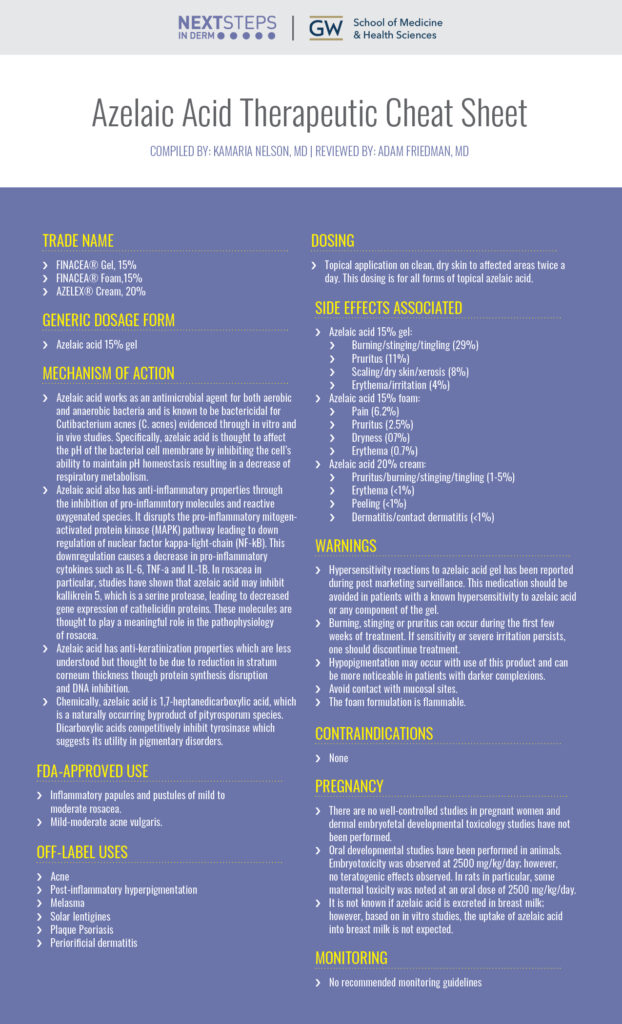
The concentration of azelaic acid varies depending on the product and its intended use. For acne treatment, a 20% concentration is typically recommended, while for anti-aging benefits, a lower concentration (around 3%) may be more effective. When selecting an azelaic acid product, consider your skin type, concerns, and needs.
Side Effects of Azelaic Acid
Azelaic acid is generally well-tolerated, but some users may experience mild side effects like skin irritation or allergic reactions. Always patch test new products before using them extensively to minimize potential side effects.
Combining Azelaic Acid with Other Skincare Ingredients
Azelaic acid can be used in combination with other skincare ingredients to enhance its benefits. However, it’s essential to choose complementary products and follow the recommended usage guidelines. For example, combining azelaic acid with vitamin C or retinol may amplify its antioxidant effects.
Frequency of Use
The frequency of use depends on the product and its intended use. For acne treatment, it’s typically recommended to use azelaic acid products 2-3 times a week, while for anti-aging benefits, daily use may be more effective.
Purchasing Azelaic Acid Products
Azelaic acid products are widely available online and in stores. Look for reputable brands that offer high-quality products with the recommended concentration of azelaic acid. When purchasing an azelaic acid product, consider your skin type, concerns, and needs to ensure you’re getting a product that meets your requirements.
Specific Skin Types That Should Exercise Caution
Individuals with sensitive skin or allergies may need to exercise caution when using azelaic acid products. Always patch test new products and start with a low concentration to minimize potential side effects. If you experience any adverse reactions, discontinue use and consult a dermatologist for guidance.
Conclusion
In conclusion, azelaic acid is a powerful compound that offers numerous benefits for skin and hair care. Its antibacterial, antifungal, and antioxidant properties make it an effective ingredient in treating acne, dandruff, and other skin issues. When used topically, it can help promote hair growth, reduce shedding, and prevent further hair loss. By understanding its uses, properties, and advantages, you can unlock the full potential of azelaic acid and achieve healthier, more vibrant-looking skin and hair.
Frequently Asked Questions
Q: What are the benefits of using azelaic acid for skin care?
A: Azelaic acid is effective in reducing acne, inflammation, and redness associated with acne. It also provides antioxidant benefits to protect the skin against environmental stressors.
Q: Can I use azelaic acid on my hair?
A: Yes, azelaic acid can be used as an ingredient in shampoos or conditioners to promote hair growth, reduce shedding, and prevent further hair loss.
Q: How do I choose the right concentration of azelaic acid for my skin care needs?
A: The concentration of azelaic acid varies depending on the product and its intended use. For acne treatment, a 20% concentration is typically recommended, while for anti-aging benefits, a lower concentration (around 3%) may be more effective.
Q: Are there any side effects associated with using azelaic acid?
A: Azelaic acid is generally well-tolerated, but some users may experience mild side effects like skin irritation or allergic reactions. Always patch test new products before using them extensively.
Q: Can I use azelaic acid in combination with other skincare ingredients?
A: Yes, azelaic acid can be used in combination with other skincare ingredients to enhance its benefits. However, it’s essential to choose complementary products and follow the recommended usage guidelines.
Q: How often should I use azelaic acid products?
A: The frequency of use depends on the product and its intended use. For acne treatment, it’s typically recommended to use azelaic acid products 2-3 times a week, while for anti-aging benefits, daily use may be more effective.
Q: Can I purchase azelaic acid products online or in-store?
A: Azelaic acid products are widely available online and in stores. Look for reputable brands that offer high-quality products with the recommended concentration of azelaic acid.
Q: Are there any specific skin types that should avoid using azelaic acid?
A: Individuals with sensitive skin or allergies may need to exercise caution when using azelaic acid products. Always patch test new products and start with a low concentration to minimize potential side effects.


