
As we go about our daily lives, it’s easy to overlook the small but significant amount of water we use. From the taps in our kitchens to the toilets in our bathrooms, we often take for granted the amount of water that flows through our homes. But have you ever stopped to think about just how much water we’re really using?
The Shocking Truth: Water Wastage
Only 3% of the water we use is actually consumed by us – either for cooking or drinking. The remaining 40% is wasted on flushing toilets and washing dishes. This may seem like a small amount, but it adds up to a staggering waste of resources.
The Unseen Enemy: Toilets and Water Consumption
Toilets are one of the biggest users of water in our homes, with traditional models using as much as 16-24 liters per flush. These toilets alone account for 16% of our total water consumption and 28% of domestic usage. By installing low-flow toilets or using cassette systems that use up to 12 liters per flush, we can significantly reduce this waste.
Small Changes, Big Impact: Everyday Habits
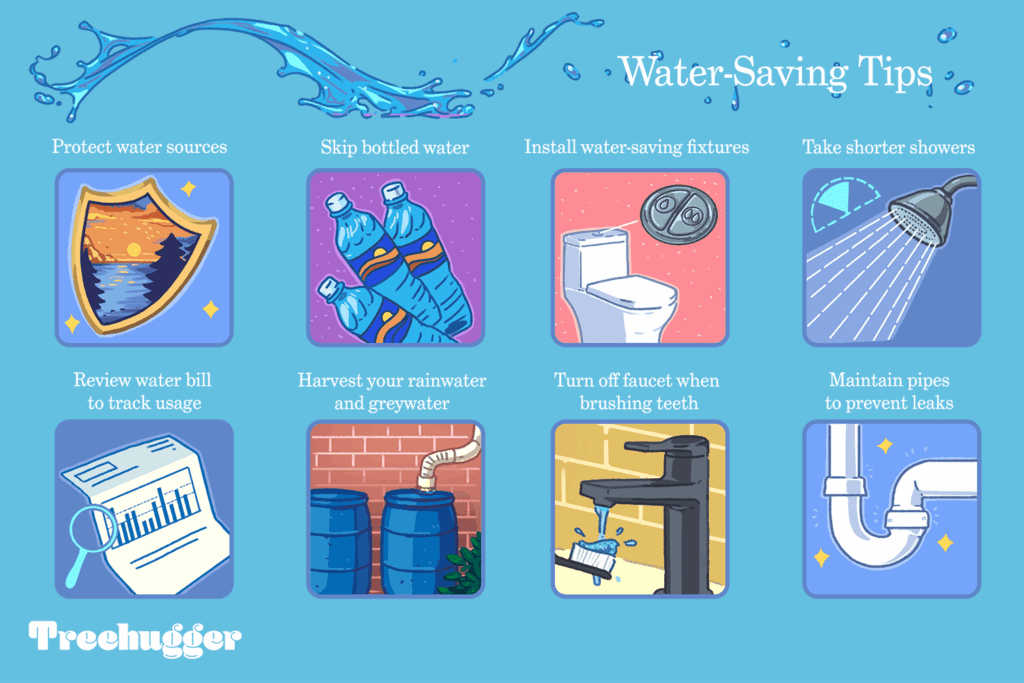
But it’s not just the toilets – our daily habits can also have a significant impact on water consumption. Simple actions like turning off the tap while brushing our teeth, or installing aerators in our sinks, can save up to 15-50% of water. And by collecting and reusing certain types of water, such as washing machine water for irrigation or cleaning floors, we can further reduce our waste.
The Power of Maintenance: Keeping Our Systems Running Efficiently
Regular maintenance is also crucial to reducing water waste. Leaks in our plumbing systems can account for up to 50% of our total water consumption, so it’s essential that we keep our pipes and appliances in good working order. By installing decalcifiers in our systems, which remove mineral deposits and reduce scaling, we can ensure that our water is running efficiently.
A New Perspective: The Value of Water
So why do we tend to take water for granted? It’s a resource that’s often seen as limitless, but the reality is that it’s becoming increasingly scarce. As we face growing demands for this precious resource, it’s essential that we start to think about our usage in a new light.
Reducing Our Footprint: A Collective Responsibility
We all have a role to play in reducing water waste. By making small changes to our daily habits and taking steps to maintain our systems, we can make a significant impact on the environment. So next time you turn on the tap or flush the toilet, remember that every drop counts.
The Future of Water: A Call to Action
As we look to the future, it’s clear that conserving water will be an increasingly important issue. By working together and making conscious choices about our usage, we can ensure a sustainable future for this vital resource.
Frequently Asked Questions
-
What is the average amount of water used per person in a typical household?
The average amount of water used per person in a typical household varies depending on factors like location and usage habits. However, according to the EPA, the average American uses around 80-100 gallons of water per day. -
How can I reduce my toilet water consumption?
There are several ways to reduce your toilet water consumption, including installing low-flow toilets or using cassette systems that use up to 12 liters per flush. -
What is an aerator and how does it work?
An aerator is a device that reduces the flow rate of water from our taps by introducing air into the system. This can save up to 15-50% of water. -
Can I collect and reuse certain types of water?
Yes, you can collect and reuse certain types of water, such as washing machine water for irrigation or cleaning floors. However, it’s essential to ensure that any reused water is safe for consumption or use. -
How often should I inspect my plumbing system for leaks?
It’s recommended to inspect your plumbing system for leaks at least once a year, and more frequently if you notice any unusual water usage patterns. -
What are decalcifiers and how do they work?
Decalcifiers are devices that remove mineral deposits from our plumbing systems, reducing scaling and ensuring efficient water flow. -
Can I install decalcifiers in my home?
Yes, you can install decalcifiers in your home to reduce scaling and improve efficiency. However, it’s recommended to consult with a professional plumber to determine the best solution for your specific needs. -
How can I educate others about the importance of water conservation?
You can educate others about the importance of water conservation by sharing information on social media, hosting workshops or events, or simply by having conversations with friends and family about the issue.
Additional Tips for Conserving Water
- Fixing leaky faucets and toilets can save up to 20 gallons of water per day
- Using a showerhead with a flow rate of 2.5 gallons per minute instead of 5 gallons per minute can save up to 20% of water usage
- Installing a rain barrel or cistern to collect and store rainwater for irrigation or other non-potable uses can reduce stormwater runoff and lower groundwater recharge rates
- Using drought-resistant plants in landscaping can reduce water consumption and promote water efficiency
Water Conservation Initiatives
- The WaterSense label program, which rates products that meet EPA standards for water efficiency, has helped millions of Americans save water without sacrificing performance
- Many cities and towns have implemented water-saving initiatives, such as mandatory water usage reductions or rebates for efficient appliances and fixtures
- Online platforms and apps are emerging to help consumers track their water usage, identify areas for improvement, and connect with local water conservation efforts
The Economic Benefits of Water Conservation
- According to the EPA, every dollar invested in water efficiency returns up to 4 dollars in savings over time
- In California alone, water conservation measures have saved the state an estimated $1.3 billion annually since 2000
- By conserving water, businesses can reduce their energy consumption, lower greenhouse gas emissions, and improve overall productivity
The Environmental Benefits of Water Conservation
- Conserving water helps to protect aquatic ecosystems and wildlife habitats from degradation caused by pollution and habitat destruction
- Reducing water waste also helps to preserve groundwater recharge rates, which is essential for maintaining healthy aquifers and preventing saltwater intrusion into freshwater sources
- By reducing energy consumption associated with water treatment and distribution, we can lower our greenhouse gas emissions and mitigate climate change
Conclusion
Conserving water is an important issue that requires individual action and collective responsibility. By making conscious choices about our usage, taking steps to maintain our systems, and advocating for water-saving initiatives in our communities, we can contribute to a more sustainable future for this precious resource. So next time you turn on the tap or flush the toilet, remember that every drop counts.
Additional Resources
- EPA’s WaterSense program: www.epa.gov/watersense
- U.S. Department of Agriculture’s Water Conservation Guide: www.usda.gov/topics/water-conservation
- National Association of Home Builders’ Water Conservation Guide: www.nahb.org/topics/water-conservation
By working together and making conscious choices about our water usage, we can ensure a sustainable future for this vital resource.


