
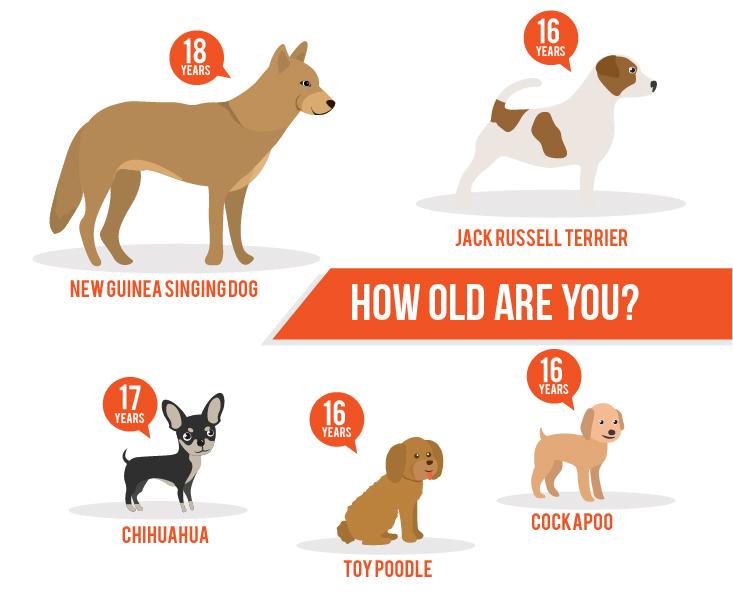
As we consider the average lifespan of a dog, it’s natural to think about comparing it to that of humans. After all, dogs are often seen as our companions and friends, sharing many similarities with us in terms of behavior and emotions. However, there’s a significant difference between their lifespans.
Calculating Lifespan: A Matter of Complexity
When trying to calculate the average lifespan of a dog, we face several challenges. While some theories suggest that multiplying 7 years by the dog’s age can provide an estimate, this method is not entirely reliable. In fact, it oversimplifies the complexities involved in determining a dog’s lifespan.
Factors Affecting Lifespan
One of the main factors affecting a dog’s lifespan is its size. Dogs with larger builds tend to live shorter lives compared to those with smaller frames. For instance, a large breed dog may have a lifespan ranging from 9 to 11 years, while a small breed dog can live up to 15 years or more.
Large Breed Dogs
Let’s take a closer look at some large breeds and their estimated lifespans:
- Alano: With an average lifespan of 8.4 years
- Rottweiler: Reaching 9.8 years on average
- Dobermann: Living up to 11.5 years
On the other hand, some large breeds may not fare as well:
- Bovaro del Bernese: With a lifespan of only 7 years
- Setter: Reaching an impressive 11-13 years on average
Small Breed Dogs
In contrast, small breed dogs tend to live longer lives. Here are some examples:
- Cavalier King Charles Spaniel: With an estimated lifespan of 10.7 years
- Pechinese: Living up to 15 years or more
- Bassotto Tedesco nano: Reaching 14-16 years on average
Herding Breeds
Some herding breeds, like the Pastore Tedesco, have an estimated lifespan of around 10 years. However, other breeds in this category may live longer:
- Barbone nano: Reaching up to 14.8 years
- Tibetan Terrier: Living up to 12-15 years on average
Mixed-Breed Dogs
Mixed-breed dogs are often considered the most resilient when it comes to lifespan. With a diverse genetic makeup, they can benefit from a longer and healthier life span.
Studies and Research
Recent studies have shed light on the topic of dog lifespan. One such study, conducted by an insurance company in the UK, found that certain breeds tend to live longer than others.
- Bassotto Tedesco nano: Ranked as one of the longest-lived breeds
- Barbone toy: Also among the top long-lived breeds
These findings highlight the importance of considering individual factors when determining a dog’s lifespan.
Conclusion
The average lifespan of a mixed-breed dog is influenced by various factors, including size, breed, and genetics. While there’s no one-size-fits-all answer to this question, understanding these complexities can help us better care for our canine companions.
Frequently Asked Questions
-
How do I calculate my dog’s lifespan?
- Unfortunately, there’s no straightforward way to estimate a dog’s lifespan. While some theories exist, they’re not entirely reliable.
-
What are the most long-lived dog breeds?
-
According to recent studies, certain breeds like the Bassotto Tedesco nano and Barbone toy tend to live longer than others.
-
Can I increase my dog’s lifespan by providing better care?
-
While regular exercise, proper nutrition, and veterinary check-ups can contribute to a long and healthy life for your dog, there’s no guaranteed way to extend its lifespan.
-
How often should I take my dog to the vet?
-
Regular veterinary check-ups are essential for maintaining your dog’s overall health and detecting any potential issues early on.
-
Can dogs live up to 15 years or more?
-
Yes, some small breed dogs can indeed live up to 15 years or more with proper care and attention.
-
What is the average lifespan of a large breed dog?
-
Large breed dogs tend to live shorter lives compared to smaller breeds, with an estimated lifespan ranging from 9-11 years.
-
Can I adopt an older dog?
-
Absolutely! Older dogs can make wonderful companions, and their adoption can be a rewarding experience for both you and your new furry friend.
-
How do I determine my dog’s ideal weight?
-
Consult with your veterinarian to determine the ideal weight range for your dog based on its breed, age, and size.
Additional Factors Affecting Lifespan
In addition to size and breed, other factors can impact a dog’s lifespan. These include:
- Genetic predisposition: Certain breeds are more prone to specific health issues due to their genetic makeup.
- Diet and nutrition: A balanced diet that meets your dog’s nutritional needs is essential for maintaining its overall health.
- Exercise and physical activity: Regular exercise can contribute to a long and healthy life for your dog.
- Healthcare and veterinary care: Regular check-ups with your veterinarian can help detect potential issues early on, ensuring the best possible outcome.
The Importance of Proper Care
While there’s no guaranteed way to extend a dog’s lifespan, providing proper care and attention is essential for maintaining its overall health. This includes:
- Regular veterinary check-ups: Schedule regular check-ups with your veterinarian to monitor your dog’s health.
- A balanced diet: Feed your dog a high-quality diet that meets its nutritional needs.
- Exercise and physical activity: Provide regular exercise and mental stimulation to keep your dog happy and healthy.
- Love and attention: Spend quality time with your dog, providing it with love and attention.
By understanding the factors that influence a dog’s lifespan and providing proper care and attention, you can help ensure your furry friend lives a long and happy life.


