
When it comes to talking about fall-blooming bulbs, we often get confused with those that bloom in spring. Fall-blooming bulbs are those that plant themselves in autumn to bloom in the spring. However, if you’re looking for bulbs that bloom in the fall or early winter, this article will guide you through the process of choosing and planting them.
Fall-Blooming Bulbs vs. Spring-Blooming Bulbs
Before we dive into the world of fall-blooming bulbs, let’s quickly clarify the difference between them and their spring-blooming counterparts. Fall-blooming bulbs are those that plant themselves in autumn to bloom in the spring, while spring-blooming bulbs plant themselves in late winter to early spring and bloom around March or April.
If you’re looking for bulbs that bloom in the fall or early winter, you’ll want to focus on choosing fall-blooming bulbs. These bulbs will add a pop of color to your garden during this time, and with the right care, they can come back year after year.
Choosing Fall-Blooming Bulbs
When selecting fall-blooming bulbs, there are several factors to consider. Here are some popular options:
- Agapanthus: These bulbs produce showy, bell-shaped flowers in shades of blue and white.
- Amaryllis Belladonna: With their large, trumpet-shaped blooms, these bulbs are a standout choice for fall gardens.
- Anemone: These bulbs produce large, cup-shaped flowers in a variety of colors, including red, yellow, and orange.
- Colchicum: These elegant bulbs produce delicate, bell-shaped flowers in shades of pink, white, and purple.
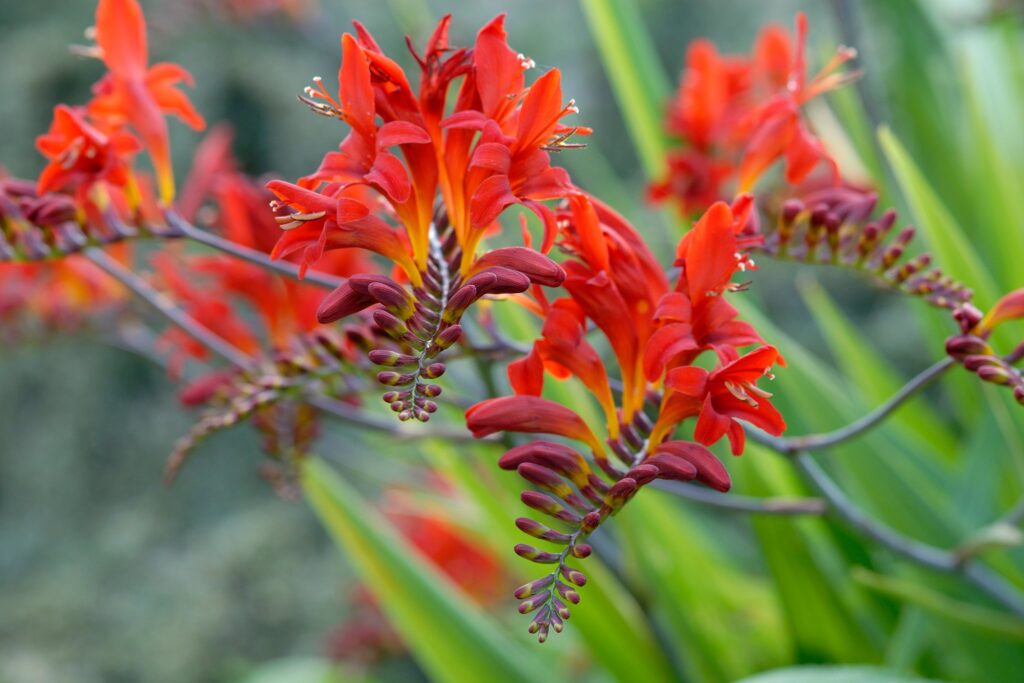
- Crocosmia: With their bright, spiky blooms, these bulbs add a dramatic touch to fall gardens.
- Crocus: These tiny bulbs produce some of the earliest flowers of spring, but they also bloom in the fall with many varieties available.
- Cyclamen: These popular bulbs produce heart-shaped leaves and delicate, nodding flowers in shades of pink, white, and purple.
When selecting fall-blooming bulbs, make sure to choose ones that are suitable for your climate zone and soil type. Some bulbs may require more care than others, so be sure to research their specific needs before planting.
Planting Fall-Blooming Bulbs
Once you’ve selected the perfect bulbs for your fall garden, it’s time to plant them. Here are some general tips to keep in mind:
- Choose a location with good drainage: Fall-blooming bulbs prefer well-draining soil to prevent rot and other issues.
- Plant at the right depth: Plant bulbs 2-3 times deeper than their height to allow for proper growth.
- Space correctly: Plant bulbs about 3-4 inches apart, depending on the variety.
By following these tips and selecting the right fall-blooming bulbs for your garden, you’ll be able to enjoy a beautiful display of color in the fall. Happy planting!
Winter-Blooming Bulbs
If you’re looking for bulbs that will bloom during the winter months, there are several options available. Here are some popular choices:
- Ciclamino: These bulbs produce delicate, nodding flowers in shades of pink, white, and purple.
- Chionodoxa: With their early-blooming habit, these bulbs are a great choice for winter gardens.
- Eranthis: These tiny bulbs produce some of the earliest flowers of spring, but they also bloom in the winter with many varieties available.
- Galanthus: These elegant bulbs produce delicate, nodding flowers in shades of white and yellow.
- Iris: With their showy, cup-shaped blooms, these bulbs are a standout choice for winter gardens.
- Muscaris: These tiny bulbs produce some of the earliest flowers of spring, but they also bloom in the winter with many varieties available.
- Scilla: These small bulbs produce delicate, nodding flowers in shades of blue and white.
- Tulipano: With their bright, cup-shaped blooms, these bulbs add a pop of color to winter gardens.
When selecting winter-blooming bulbs, make sure to choose ones that are suitable for your climate zone and soil type. Some bulbs may require more care than others, so be sure to research their specific needs before planting.
Tips for Success
To ensure success with fall-blooming and winter-blooming bulbs, here are some additional tips to keep in mind:
- Plant at the right time: Plant bulbs in the fall for spring-blooming bulbs and in the early winter for winter-blooming bulbs.
- Choose the right variety: Select bulbs that are suitable for your climate zone and soil type.
- Provide proper care: Follow the specific care instructions for each bulb variety to ensure optimal growth and blooming.
By following these tips and selecting the right fall-blooming and winter-blooming bulbs for your garden, you’ll be able to enjoy a beautiful display of color throughout the year.
Frequently Asked Questions
Here are some frequently asked questions about fall-blooming and winter-blooming bulbs:
- What is the best time to plant fall-blooming bulbs?
- Plant fall-blooming bulbs in the fall, typically around September or October.
- How often should I divide and replant fall-blooming bulbs?
- Divide and replant fall-blooming bulbs every 3-4 years to maintain their vigor and flowering performance.
- Can I grow fall-blooming and winter-blooming bulbs in containers?
- Yes, you can grow fall-blooming and winter-blooming bulbs in containers using a well-draining potting mix and providing sufficient light and water.
- How do I care for fall-blooming and winter-blooming bulbs during the winter months?
- Keep fall-blooming and winter-blooming bulbs protected from extreme cold, wind, and moisture by covering them with a layer of mulch or straw.
By answering these frequently asked questions, you’ll be able to make informed decisions about planting and caring for your fall-blooming and winter-blooming bulbs.


