
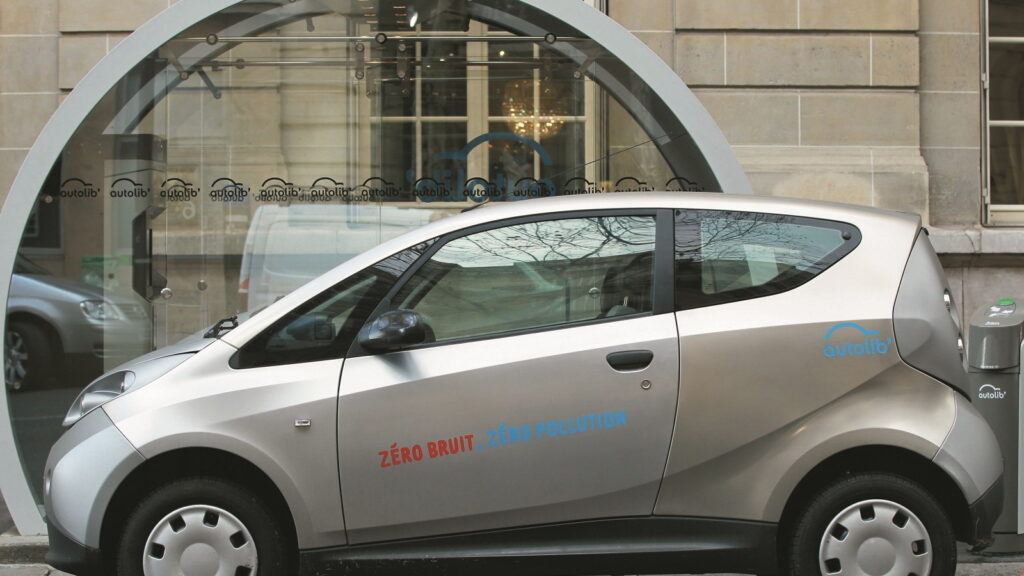
In recent years, the world has seen a significant shift in urban mobility trends, with car-sharing programs emerging as a promising solution to reduce private vehicle usage and promote sustainable transportation. Cities like Milan and Paris are already reaping the benefits of bike-sharing and car-sharing initiatives. In this article, we’ll delve into the world of car-sharing, exploring its benefits, examples, and the innovative Autolib program.
What is Car-Sharing?
Car-sharing, also known as car rental by the day, allows individuals to use a car for a short period, usually on an hourly or daily basis. This model promotes shared ownership and reduces the need for personal vehicles. By pooling resources, car-sharing programs reduce congestion, emissions, and parking costs.
Benefits of Car-Sharing
Car-sharing offers several advantages:
- Reduced traffic congestion by encouraging occasional use of private cars
- Lower emissions due to increased fuel efficiency and reduced number of vehicles on the road
- Cost savings for individuals who cannot afford or do not need a personal vehicle
- Access to reliable transportation without the burden of ownership
Examples of Successful Car-Sharing Programs
Cities around the world have implemented car-sharing initiatives, showcasing their potential:
- Milan’s Bike-Sharing Program: A pioneering program in Europe, Milan’s bike-sharing system has demonstrated the success of shared mobility.
- Paris’s Velib Program: Launched in 2007, Velib has become a model for urban mobility, with over 20 million users annually.
- New York City’s Car-Sharing Programs: The city offers several car-sharing options, including the popular Zipcar and car2go services.
Autolib: The Car-Sharing Revolution
Launched in Paris, Autolib is a car-sharing program that aims to reduce private car usage and promote sustainable transportation. With an initial goal of providing 3,000 electric cars, the program has already made significant strides:
- Initial Success: Autolib has secured over 37,000 temporary memberships and 13,000 annual subscriptions.
- Current Status: The program boasts 1,800 available electric cars, 700 partnered points, and numerous charging stations.
Demographics of Car-Sharing Users
The car-sharing phenomenon is particularly appealing to:
- Young Adults: Individuals who cannot afford or do not need a personal vehicle often turn to car-sharing as a convenient alternative.
- Environmentally Conscious: Those who prioritize sustainability and reducing emissions are drawn to electric cars shared through programs like Autolib.
Market Trends and Outlook
The car-sharing market is expected to continue growing in the coming years, driven by increasing demand for sustainable transportation solutions. Key trends include:
- Electric Vehicle Adoption: The rise of electric vehicles will play a crucial role in shaping the future of car-sharing.
- Increased Use of Alternative Mobility Options: Cities are expected to prioritize alternative mobility options, such as bike-sharing and scooter-sharing programs.
Challenges and Opportunities
While car-sharing initiatives like Autolib have shown promising results, there are challenges to be addressed:
- Regulatory Frameworks: Car-sharing programs require specific regulatory frameworks to ensure safe and efficient operations.
- Public Awareness and Education: Raising public awareness about the benefits of car-sharing is essential for widespread adoption.
Conclusion
As cities continue to evolve, car-sharing programs like Autolib will play a vital role in shaping sustainable urban mobility. By promoting shared ownership and efficient use of resources, these initiatives have the potential to transform the way we think about transportation.


