
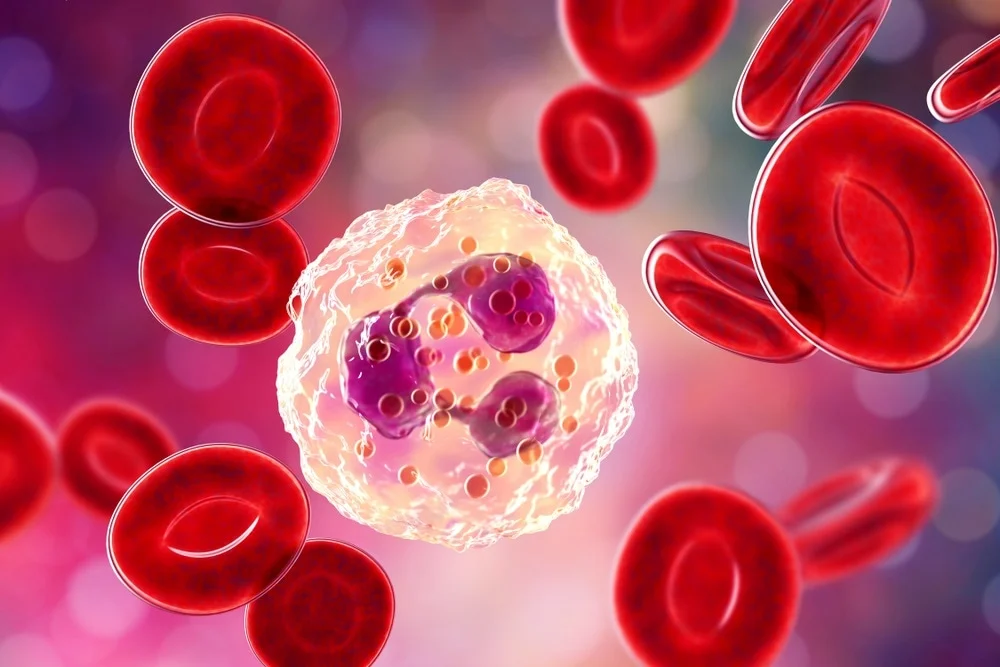
Auto-inflammatory diseases are a group of conditions characterized by an abnormal response to inflammation, where the body’s natural defense mechanism mistakenly attacks healthy tissues. This phenomenon is often referred to as auto-inflammation, and it can lead to unpredictable and unexplained inflammation in various parts of the body.
In this article, we will delve into the world of auto-inflammatory diseases, shedding light on their causes and exploring the discovery of Cria syndrome. This rare condition is one of the many auto-inflammatory diseases that affect the innate immune system, causing chronic or recurring inflammation.
What are Auto-Inflammatory Diseases?
Auto-inflammatory diseases are a subset of autoimmune diseases, which involve the immune system attacking healthy tissues. However, in auto-inflammatory diseases, the body’s natural defense mechanism mistakenly attacks itself, leading to inflammation and tissue damage. The innate immune system, which protects us against infections, becomes overwhelmed, resulting in chronic or recurring inflammation.
Defining Auto-Inflammatory Diseases
Auto-inflammatory diseases are characterized by an abnormal response to inflammation, where the body’s natural defense mechanism mistakenly attacks healthy tissues. This can lead to a range of symptoms, including high fever, skin eruptions, joint pain, and fatigue. In severe cases, these symptoms can lead to life-threatening complications.
Causes of Auto-Inflammatory Diseases
The causes of auto-inflammatory diseases are multifaceted and often involve genetic mutations or environmental triggers. Some people may be born with a predisposition to develop these conditions due to genetic mutations. Other factors, such as infections, toxins, or allergies, can also trigger an autoimmune response.
Role of Interleukin-1 Beta (IL-1β)
Interleukin-1 beta (IL-1β) plays a crucial role in the innate immune system, activating the inflammatory response. However, when mutated or present in excess, IL-1β can lead to uncontrolled inflammation and tissue damage.
Distinguishing Auto-Inflammatory Diseases from Autoimmune Diseases
Auto-inflammatory diseases differ from autoimmune diseases, which involve the immune system attacking healthy tissues. In auto-inflammation, the body’s natural defense mechanism mistakenly attacks itself, leading to chronic or recurring inflammation. Understanding this distinction is essential for developing effective treatments and management strategies.
The Discovery of Cria Syndrome
A team of international researchers has made a breakthrough discovery in understanding Cria syndrome, a rare and complex condition characterized by recurring fevers and inflammation. The discovery highlights the importance of genetic mutations, specifically in the RIPK1 gene, which regulates both inflammation and cell death.
Understanding the Role of RIPK1 in Cria Syndrome
RIPK1 is a critical molecule that regulates the innate immune response. In individuals with Cria syndrome, the RIPK1 mutation leads to an uncontrolled inflammatory response, causing tissue damage and recurrent fevers. This understanding has opened up new avenues for treatment and management.
Implications for Treatment and Management
The discovery of Cria syndrome’s underlying mechanism has significant implications for treatment and management. Personalized medicine approaches can now be developed, targeting specific genetic mutations and addressing the root cause of inflammation.
Future Research Directions
Ongoing research aims to explore the role of RIPK1 in other autoimmune conditions, such as colitis, arthritis, and psoriasis. By understanding the intricate mechanisms behind these diseases, researchers hope to develop more effective treatments and improve patient outcomes.
Current Treatments for Auto-Inflammatory Diseases
While there is no cure for auto-inflammatory diseases, various treatment options are available to manage symptoms and prevent complications. These include:
- Corticosteroids: Inhaled or oral corticosteroids can help reduce inflammation.
- Nonsteroidal anti-inflammatory drugs (NSAIDs): NSAIDs, such as ibuprofen or naproxen, can alleviate pain and inflammation.
- Immunomodulators: Medications like ciclosporin or mycophenolate mofetil can modify the immune response and prevent excessive inflammation.
- Biologics: Targeted biologic therapies, such as anti-TNF-alpha agents, can block specific molecules involved in inflammation.
Personalized Medicine Approaches
The discovery of Cria syndrome’s underlying mechanism has opened up new avenues for personalized medicine approaches. Researchers are now exploring the potential of genetic testing to identify patients with auto-inflammatory diseases and develop targeted treatments based on their individual genetic profiles.
Genetic Testing and Auto-Inflammatory Diseases
Genetic testing can help identify individuals at risk of developing auto-inflammatory diseases or detect underlying genetic mutations that contribute to these conditions. Advanced technologies, such as next-generation sequencing, are being used to analyze genes involved in the innate immune response.
Conclusion
Auto-inflammatory diseases are a complex group of conditions characterized by an abnormal response to inflammation, where the body’s natural defense mechanism mistakenly attacks healthy tissues. The discovery of Cria syndrome highlights the importance of genetic mutations and sheds light on the intricate mechanisms behind these diseases. Ongoing research aims to develop more effective treatments and improve patient outcomes for individuals affected by auto-inflammatory diseases.
Frequently Asked Questions (FAQs)
Q: What is auto-inflammatory disease syndrome?
A: Auto-inflammatory disease syndrome refers to a group of conditions characterized by an abnormal response to inflammation, where the body’s natural defense mechanism mistakenly attacks healthy tissues.
Q: What are the symptoms of auto-inflammatory diseases?
A: Common symptoms include high fever, skin eruptions, joint pain, and fatigue. In severe cases, these symptoms can lead to life-threatening complications.
Q: Can genetic mutations cause auto-inflammatory diseases?
A: Yes, some people may be born with a predisposition to develop these conditions due to genetic mutations or environmental triggers.
Q: How does RIPK1 contribute to Cria syndrome?
A: RIPK1 is a critical molecule that regulates the innate immune response. In individuals with Cria syndrome, the RIPK1 mutation leads to an uncontrolled inflammatory response, causing tissue damage and recurrent fevers.
Q: What are the implications for treatment and management of Cria syndrome?
A: The discovery of Cria syndrome’s underlying mechanism has opened up new avenues for treatment and management. Personalized medicine approaches can now be developed, targeting specific genetic mutations and addressing the root cause of inflammation.
Q: Will research on RIPK1 lead to breakthroughs in other autoimmune conditions?
A: Ongoing research aims to explore the role of RIPK1 in other autoimmune conditions, such as colitis, arthritis, and psoriasis. By understanding the intricate mechanisms behind these diseases, researchers hope to develop more effective treatments and improve patient outcomes.
Q: What is the future outlook for patients with Cria syndrome?
A: With ongoing research and advancements in personalized medicine, patients with Cria syndrome can now expect more effective treatment options and improved management of their condition.


