
As a parent, teacher, or caregiver, it can be challenging to distinguish between normal childhood behavior and signs of Attention Deficit Hyperactivity Disorder (ADHD). ADHD is a neurodevelopmental disorder characterized by symptoms of inattention, hyperactivity, and impulsivity. In this article, we will explore the causes, symptoms, and treatment options for ADHD.
What is ADHD?
ADHD is not just a phase of childhood that will disappear as the child grows up. It is a legitimate neurological disorder that affects both children and adults. ADHD is often referred to as a “brain disorder” because it affects brain function, particularly in areas responsible for attention, impulse control, and hyperactivity.
Symptoms of ADHD
The symptoms of ADHD can vary from person to person, but they typically include:
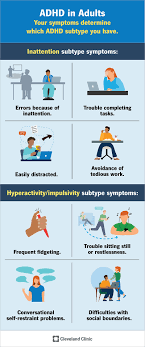
- Inattention: difficulty sustaining focus during tasks or activities, easily distracted by surroundings, and forgetfulness.
- Hyperactivity: feeling restless, fidgety, and having an excessive need for physical activity.
- Impulsivity: acting on impulse without considering consequences, interrupting others, and blurting out answers.
Other symptoms may include:
- Difficulty with organization and time management
- Struggling to complete tasks and follow through on instructions
- Avoiding tasks that require mental effort
- Being easily distracted by sights, sounds, or other stimuli
Causes of ADHD
While the exact causes of ADHD are still not fully understood, research suggests that it is a complex interplay between genetics, environment, and brain chemistry.
Genetic factors: ADHD tends to run in families, suggesting a strong genetic component. Studies have identified several genes that may contribute to the development of ADHD.
Brain chemistry: Imbalances in neurotransmitters such as dopamine and norepinephrine may also play a role in ADHD symptoms.
Environmental factors: Exposure to toxins, stress, and other environmental factors during pregnancy or early childhood may increase the risk of developing ADHD.
Diagnosing ADHD
Diagnosing ADHD can be challenging because there is no single test that can definitively diagnose the disorder. A comprehensive evaluation by a qualified healthcare professional is necessary to determine whether an individual has ADHD.
The diagnostic process typically involves:
- A thorough medical history
- A physical examination
- Psychological evaluations, such as cognitive and behavioral assessments
- Behavioral observations
Treatment Options for ADHD
While there is no cure for ADHD, various treatment options can help manage symptoms and improve functioning. The most effective treatments often involve a combination of behavioral therapy, medication, and lifestyle changes.
Behavioral therapy:
- Behavioral modification techniques: teaching individuals with ADHD to recognize and change maladaptive behaviors
- Cognitive-behavioral therapy (CBT): helping individuals identify and challenge negative thought patterns
Medications:
- Stimulants: medications that increase focus and attention by blocking the effects of dopamine
- Non-stimulants: medications that help regulate impulsivity and hyperactivity
Lifestyle changes:
- Regular exercise and physical activity
- Healthy diet and nutrition
- Stress management techniques, such as meditation or yoga
ADHD in Children vs. Adults
While ADHD can affect both children and adults, there are some key differences to consider.
Children with ADHD may exhibit symptoms that include:
- Difficulty paying attention in school
- Fidgeting or restlessness
- Impulsivity in social situations
- Struggling to complete homework assignments
Adults with ADHD may experience symptoms such as:
- Difficulty concentrating at work
- Memory problems and forgetfulness
- Mood swings and irritability
- Struggling to manage time and prioritize tasks
Conclusion
ADHD is a complex disorder that affects millions of people worldwide. While there is no single solution for managing symptoms, a comprehensive treatment approach that incorporates behavioral therapy, medication, and lifestyle changes can help individuals with ADHD thrive.
If you suspect that you or a loved one may have ADHD, consult with a qualified healthcare professional to discuss diagnosis and treatment options.
Frequently Asked Questions
- What is the difference between inattention and hyperactivity?
Inattention refers to difficulty sustaining focus during tasks or activities, while hyperactivity involves feeling restless, fidgety, and having an excessive need for physical activity. - Can ADHD be cured?
While there is no cure for ADHD, various treatment options can help manage symptoms and improve functioning. - How does ADHD affect relationships?
ADHD can impact relationships with family members, friends, and colleagues due to difficulties with communication, impulsivity, and hyperactivity. - What are some common myths about ADHD?
Common misconceptions include the idea that ADHD is a result of poor parenting or lack of discipline, when in reality it is a legitimate neurological disorder. - Can adults be diagnosed with ADHD?
Yes, ADHD can affect both children and adults. Adults may experience symptoms such as difficulty concentrating, memory problems, and mood swings.
ADHD in Different Professions
ADHD can impact individuals in various professions, including:
- Education: Teachers and students may struggle with organization and time management.
- Business: Professionals may experience difficulties with focus and productivity.
- Healthcare: Medical professionals may have trouble with concentration and memory recall.
- Sports: Athletes may need to manage their symptoms while maintaining peak physical performance.
Managing ADHD in the Workplace
If you are an individual with ADHD, managing your symptoms in the workplace can be challenging. Here are some strategies for success:
- Create a schedule and stick to it
- Break tasks into smaller, more manageable chunks
- Minimize distractions by using noise-cancelling headphones or finding a quiet workspace
- Ask colleagues for support and accommodations when needed
Conclusion
ADHD is a complex disorder that affects millions of people worldwide. By understanding the causes, symptoms, and treatment options, individuals can take control of their ADHD and thrive in various aspects of life.
If you suspect that you or a loved one may have ADHD, consult with a qualified healthcare professional to discuss diagnosis and treatment options.


