
As we step out into the world, one of the most crucial factors to consider is atmospheric humidity. This essential variable helps us gauge the weather conditions that lie ahead and is vital for the growth of many plants as well as the survival of certain animal species that require specific habitats. Let’s delve deeper into what atmospheric humidity is all about, how it’s measured, and some common misconceptions surrounding it.
What is Atmospheric Humidity?
Atmospheric humidity refers to the amount of water vapor present in the air, derived from evaporation at the Earth’s surface due to solar radiation and, to a lesser extent, plant transpiration. Why do we care about water vapor in the air that we breathe? Although it’s invisible and imperceptible to us, its presence plays a crucial role in maintaining ecological balance. Just consider how humidity affects cloud formation, fog, and precipitation.
Absolute vs. Relative Humidity
There are two primary ways to express atmospheric humidity: absolute and relative. Absolute humidity measures the amount of water vapor contained in 1 cubic meter of air, expressed in grams. Relative humidity (RH), on the other hand, is calculated as a percentage of the maximum amount of water vapor that would make the air saturated at a given temperature. It’s essential to understand that RH is not always an accurate reflection of actual humidity levels, as it depends on air temperature.
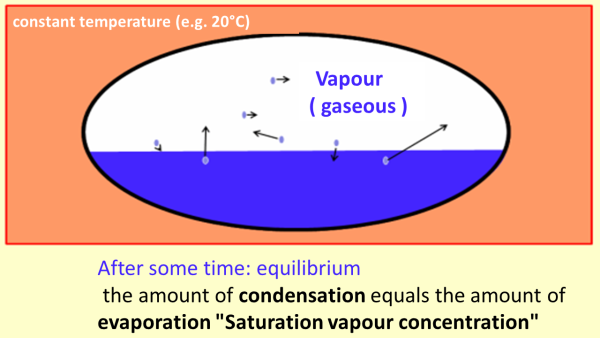
To illustrate this concept better, imagine the “saturation point” for water vapor in the air – when air reaches its capacity, excess water vapor condenses into droplets or freezes if the temperature drops. Understanding this relationship helps us comprehend the intricacies of atmospheric humidity.
Values of Atmospheric Humidity
Determining atmospheric humidity levels can be challenging without instruments, but we can establish a rough idea by considering relative humidity (RH) values. RH is typically measured between 0% and 100%. When RH equals 80%, for instance, the air contains an exact percentage of water vapor that would make it saturated at a given temperature.
Keep in mind that RH varies greatly with temperature – as temperatures rise, more water vapor can be held in the air. In regions where we live, we often experience distinct humidity levels during different seasons or weather conditions. For instance, atmospheric humidity outside tends to increase significantly when it’s raining (80-90% RH), while inside a building, it might range from 35-65%.
Measuring Atmospheric Humidity
Various devices, including igrometers, measure atmospheric humidity. Igrometers work by dilating capillary threads in response to changing humidity levels. Although this method may seem outdated, it remains an effective tool in many situations.
The most widely used type of igrometer relies on the expansion or contraction of a hairlike structure within the device when exposed to varying relative humidity levels.
Fascinating Facts About Atmospheric Humidity
While we’re familiar with some aspects of atmospheric humidity, there are several common misconceptions surrounding its impact. For instance, people often believe that extremely low humidity inside homes can cause discomfort. However, research suggests that indoor environments often have inadequate humidity levels (usually below 50% at temperatures above 26°C), which can be detrimental to human health.
Additionally, the effect of atmospheric humidity on our body temperature regulation should not be underestimated. Our sweat glands help regulate temperature by dissipating heat, but this process also influences how we perceive thermal comfort.
The Impact of Atmospheric Humidity on Plant Growth
Atmospheric humidity plays a critical role in plant growth and development. In humid environments, plants grow faster and stronger due to the availability of moisture. However, excessive humidity can lead to fungal infections and root rot, while dry conditions can cause stress and damage to leaves.
Understanding the Connection Between Atmospheric Humidity and Animal Migration
Atmospheric humidity affects animal migration patterns, as many species rely on specific humidity levels for navigation and breeding purposes. For example, migratory birds often follow humid air masses that provide essential moisture for their survival during long-distance flights.
Weather-Related Consequences of Atmospheric Humidity
In severe cases, atmospheric humidity can lead to catastrophic weather events like hurricanes, floods, and droughts. The relationship between humidity levels and storm intensity is complex and depends on various factors such as temperature, wind speed, and atmospheric pressure.
Regional Variations in Atmospheric Humidity
Atmospheric humidity varies significantly across different regions due to geographical and climatic conditions. In coastal areas, the marine influence leads to higher humidity levels compared to inland areas. High-altitude regions also experience unique humidity patterns due to the decrease in air density and temperature with increasing elevation.
The Role of Atmospheric Humidity in Climate Change
Atmospheric humidity plays a significant role in climate change, as changes in humidity levels can impact global temperatures, precipitation patterns, and weather extremes. Understanding these relationships is crucial for developing effective strategies to mitigate the effects of climate change.
Conclusion
Understanding and appreciating atmospheric humidity is crucial for maintaining ecological balance, understanding local weather patterns, and ensuring human health. By dispelling common misconceptions about its impact on our daily lives, we can gain a deeper appreciation for the complexities of this often-overlooked phenomenon.
Here are eight FAQs that provide answers to some key questions related to the topic:
- What is atmospheric humidity, and why is it important?
Atmospheric humidity refers to the amount of water vapor in the air. It plays a crucial role in maintaining ecological balance and understanding local weather patterns.
- How do we measure atmospheric humidity?
We can use various devices, such as igrometers, which rely on changes in capillary threads or other mechanisms to indicate relative humidity levels.
- What is the difference between absolute and relative humidity?
Absolute humidity measures the amount of water vapor present in a given volume of air (in grams), while relative humidity expresses this quantity as a percentage of what would make the air saturated at a specific temperature.
- How does atmospheric humidity affect our perception of comfort?
Atmospheric humidity levels significantly impact human thermal comfort, and excessive or insufficient humidity can cause discomfort or health issues.
- What is the optimal range for atmospheric humidity inside homes?
Typically, indoor humidity should be maintained between 30-60%. However, values outside this range may have different implications for occupants’ comfort and health.
- Can we control humidity levels in our living spaces?
Yes, there are various methods to maintain a suitable humidity level in homes, including the use of humidifiers or dehumidifiers, which can be adjusted according to specific requirements.
- Are there any specific regions where atmospheric humidity is particularly significant?
In coastal areas and at higher elevations, atmospheric humidity plays an even more critical role due to its potential impact on weather patterns and local ecosystems.
- How does temperature affect the measurement of relative humidity?
At temperatures above a certain threshold (approximately 26°C), additional water vapor can be present in the air. Thus, RH values should be interpreted with caution when considering this variable factor.
Please note that you may need to adjust these FAQs based on specific requirements or recommendations from experts related to the topic.


