
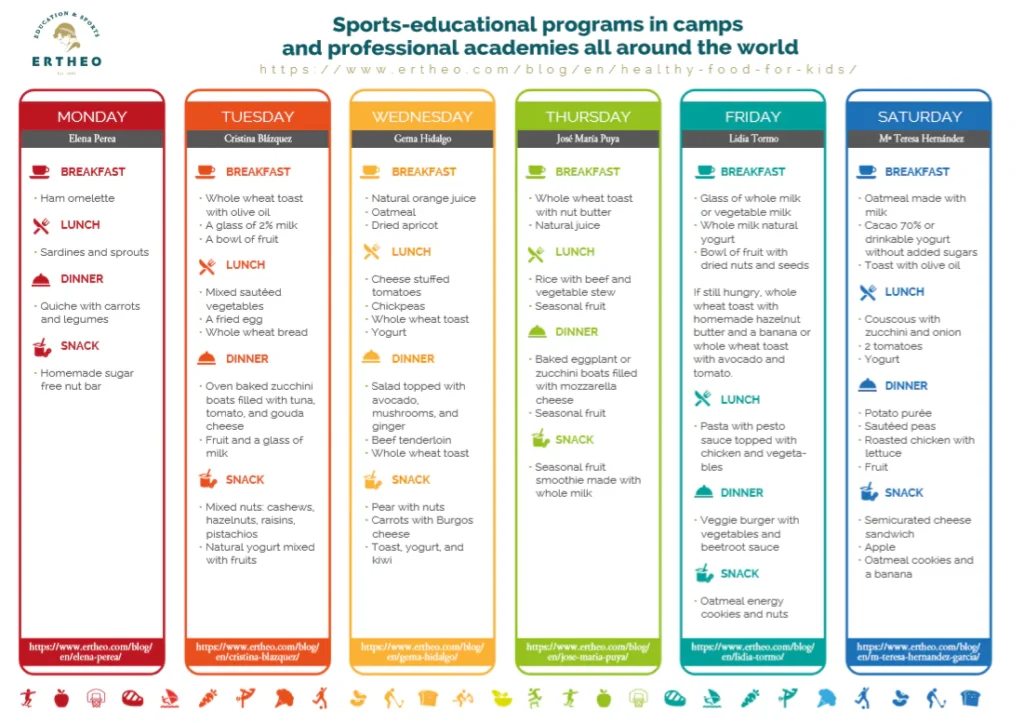
As a sports enthusiast, you’re likely no stranger to the importance of fueling your body with the right foods. But have you ever stopped to think about what that actually means? In this article, we’ll explore the ins and outs of a sports diet, debunk some common myths, and provide you with a personalized plan to help you achieve your fitness goals.
What is a Sports Diet?
A sports diet is more than just a fad or a quick fix; it’s a carefully planned approach to nutrition that takes into account your individual needs, goals, and lifestyle. It’s not just about cutting calories or following a restrictive diet; it’s about finding the right balance of nutrients to support your performance and recovery.
The Importance of Protein
Protein is often at the top of the list when it comes to sports diets, and for good reason. Aiming for 1.1-1.5 grams of protein per kilogram of body weight can help you build and repair muscle tissue, which is essential for athletes. Foods like lean meats, fish, eggs, dairy products, legumes, and nuts are all great sources of protein.
Protein also plays a critical role in muscle recovery after intense exercise. When you engage in physical activity, your muscles undergo micro-tears that require time to repair. Adequate protein intake can help promote the repair process, reducing muscle soreness and improving overall performance.
The Role of Carbohydrates
Carbs are often misunderstood as being the enemy of athletes, but they play a critical role in providing energy for your workouts. Whole grains, fruits, and vegetables are all excellent sources of complex carbohydrates, which can help you perform at your best. However, it’s essential to time your carb intake with your workouts – consuming carbs too close to exercise can cause digestive issues.
Carbohydrates also provide fuel for your muscles during intense activities, such as sprints or high-intensity interval training (HIIT). When you consume complex carbohydrates before and after exercise, they help replenish energy stores and support muscle function.
Healthy Fats: The Unsung Heroes
Fats get a bad rap, but they’re not the enemy. In fact, healthy fats like omega-3s and monounsaturated fats are essential for heart health and can even help you recover from intense workouts. Avocados, olive oil, nuts, and seeds are all great sources of these beneficial fats.
Healthy fats also play a role in reducing inflammation, which is common after intense exercise. Inflammation can lead to muscle soreness and decreased performance, but healthy fats like omega-3s have anti-inflammatory properties that can help mitigate this effect.
Sample Sports Diet Plan
A well-planned sports diet should include a balanced mix of protein, carbohydrates, and healthy fats. Here’s an example meal plan to get you started:
- Breakfast: Overnight oats with fruit and nuts
- 1 cup cooked oatmeal
- 1/2 cup mixed berries
- 1 tablespoon almond butter
- Snack: Apple slices with almond butter
- 1 medium apple, sliced
- 2 tablespoons almond butter
- Lunch: Grilled chicken breast with quinoa and steamed vegetables
- 4 ounces grilled chicken breast
- 1 cup cooked quinoa
- 1 cup steamed broccoli
- Snack: Greek yogurt with berries and honey
- 6 ounces Greek yogurt
- 1/2 cup mixed berries
- 1 tablespoon honey
- Dinner: Grilled salmon with sweet potato and green beans
- 4 ounces grilled salmon
- 1 medium sweet potato, baked
- 1 cup steamed green beans
The Importance of Hydration
Hydration is often overlooked, but it’s a critical component of any sports diet. Aim to drink at least 8-10 glasses of water per day, and make sure you’re consuming electrolyte-rich foods like bananas (potassium), avocados (potassium), and coconut water (electrolytes).
Proper hydration is essential for athletic performance, as it helps regulate body temperature, transport nutrients and oxygen to cells, and remove waste products. Dehydration can lead to decreased performance, muscle cramps, and even heat stroke.
Debunking Common Myths
- Myth: Cutting calories is the only way to lose weight.
Reality: A balanced diet that includes protein, carbohydrates, and healthy fats can help you achieve your weight loss goals while maintaining muscle mass. Crash diets and restrictive eating can lead to nutrient deficiencies and decreased performance. - Myth: You need to follow a restrictive diet to see results.
Reality: A flexible, personalized approach to nutrition can lead to better overall health and more sustainable weight loss. Aim to make small changes to your diet each week, rather than trying to overhaul your entire diet at once. - Myth: Carbs are bad for athletes.
Reality: Complex carbohydrates provide fuel for your muscles during intense activities, and they’re not inherently “bad” for athletes. Whole grains, fruits, and vegetables are all excellent sources of complex carbohydrates.
Conclusion
A sports diet is not just about following a fad or a quick fix; it’s about finding the right balance of nutrients to support your performance and recovery. By incorporating protein, carbohydrates, healthy fats, and hydration into your daily routine, you’ll be well on your way to achieving your fitness goals.
Frequently Asked Questions
Q: How do I calculate my protein needs?
A: Aim for 1.1-1.5 grams of protein per kilogram of body weight.
Q: What are some good sources of carbohydrates for athletes?
A: Whole grains, fruits, and vegetables are all excellent sources of complex carbohydrates.
Q: Can I get enough calories from healthy fats?
A: Yes! Healthy fats like omega-3s and monounsaturated fats are essential for heart health and can even help you recover from intense workouts.
Q: How much water should I drink per day?
A: Aim to drink at least 8-10 glasses of water per day.
Q: Can I lose weight by cutting calories alone?
A: No! A balanced diet that includes protein, carbohydrates, and healthy fats is more effective for sustainable weight loss.
Q: What’s the best way to time my carb intake with my workouts?
A: Consume carbs 1-2 hours before exercise, when your muscles are most receptive to nutrient uptake.
Q: Can I still enjoy treats like dessert or pizza while following a sports diet?
A: Yes! Just be mindful of portion sizes and try to balance them out with healthier options throughout the day.


