
As we navigate the complexities of modern life, it’s easy to overlook the importance of natural remedies that can boost our immune systems and overall well-being. One such herb is Astragalus, a plant with a rich history in traditional Chinese medicine that has been used for centuries to enhance our resilience against stress and disease. In this article, we’ll delve into the fascinating world of Astragalus, exploring its properties, uses, and precautions to help you harness its potential.
What is Astragalus?
Astragalus membranaceus, also known as Huang qi in Chinese medicine, is a plant native to the eastern regions of Asia and China. It belongs to the Fabaceae family and thrives in temperate climates with areas characterized by grasslands, deciduous forests, and altitudes between 100-1,400 meters. This plant has been cultivated for its medicinal properties, not only in traditional Chinese medicine but also in other Eastern cultures.
Properties of Astragalus
Astragalus is renowned for its immunostimulatory, adaptogenic, and detoxifying properties, backed by the presence of saponines triterpenes, flavonoids, aminopiene, and polysaccharides. These compounds work synergistically to enhance our natural defense mechanisms, providing protection against infections and inflammation.
The polysaccharides in Astragalus are key players in stimulating the immune system, boosting our body’s natural defenses against pathogens. This property is particularly effective against common viral diseases such as the flu, colds, and fever, as well as more severe conditions like influenza and hepatitis B.
Moreover, the saponines contained within this plant possess antioxidant properties that help protect organs from damage caused by chemical toxins or other harmful substances. The Astragalus also stimulates liver regeneration and helps regulate blood flow.
In addition to its immunostimulatory effects, Astragalus has less-known adaptogenic properties. These enable it to mitigate the body’s response to stress, promoting longevity by extending cell lifespan. This translates into an increased sense of energy and vitality, making it an excellent remedy for cases of exhaustion and fatigue.
Adaptogenic and Cardiotonic Properties
Astragalus is also used as a cardiotonic herb, influencing sodium and potassium metabolism. By regulating these electrolytes, Astragalus helps lower blood pressure, making it beneficial for managing hypertension and angina pectoris.
In terms of adaptogenic properties, Astragalus plays a key role in enhancing cognitive performance by improving learning capacity and memory retention. Furthermore, the herb is believed to promote deeper and higher-quality sleep patterns, which can contribute to overall well-being.
Uses of Astragalus
Astragalus has been used for centuries in traditional Chinese medicine as an immunity-enhancing agent. In modern times, its use extends beyond medicinal practices to include dietary supplements and other herbal remedies. Here are some ways you can utilize this herb:
- Tincture: Take 20-30 drops once a day for preventative immunostimulation or 30-40 drops twice a day apart from meals when experiencing influenza-like symptoms.
- Dried Extracts: Consume 400-500 mg per day for prevention of immune dysfunction, or 600-800 mg twice daily without food to combat infections.
Precautions and Side Effects
While Astragalus has been used safely for many years in traditional Chinese medicine, there are potential side effects to be aware of. Common adverse reactions include fatigue and dizziness.
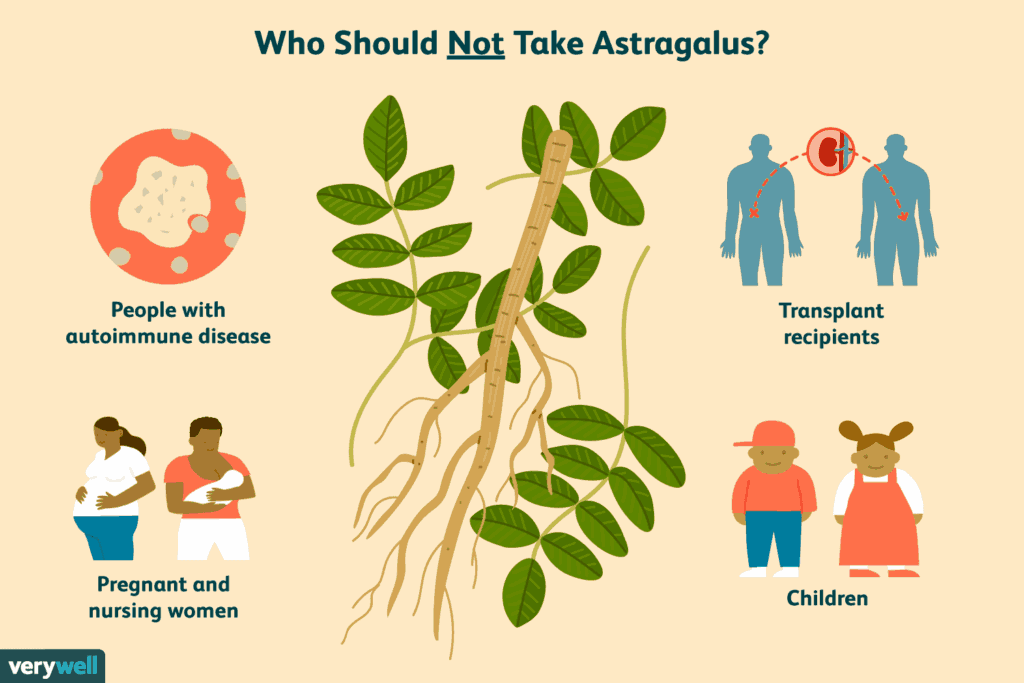
Additionally, it’s recommended that pregnant women avoid using this herb due to a lack of research on its safety during pregnancy. The same applies to breastfeeding mothers.
If you’re already taking immunostimulating medications or antivirals, consult with your healthcare provider before consuming Astragalus supplements as there could be potential interactions between these substances.
Preparations and Dosage
When using Astragalus as a dietary supplement, it’s essential to follow proper preparation and dosage guidelines. Here are some general recommendations:
- Dried Extracts: Consume 400-500 mg per day for prevention of immune dysfunction, or 600-800 mg twice daily without food to combat infections.
- Tincture: Take 20-30 drops once a day for preventative immunostimulation or 30-40 drops twice a day apart from meals when experiencing influenza-like symptoms.
Interactions with Other Medications
Astragalus may interact with other medications, including:
- Immunostimulating Medications: Consult with your healthcare provider before consuming Astragalus supplements if you’re already taking immunostimulating medications or antivirals.
- Blood Thinners: Astragalus may enhance the effects of blood thinners, increasing the risk of bleeding. Monitor your condition and adjust dosage accordingly.
Precautions for Special Populations
Certain populations should exercise caution when using Astragalus:
- Pregnant Women: Due to a lack of research on its safety during pregnancy, it’s recommended that pregnant women avoid using this herb unless advised by their healthcare provider.
- Breastfeeding Mothers: As there is limited data on the effects of Astragalus on lactation, breastfeeding mothers should exercise caution when consuming this supplement.
Conclusion
Astragalus is a powerful herb that offers numerous health benefits when used properly. By understanding its properties and uses, you can harness the power of this ancient remedy to strengthen your immune system, reduce stress, and improve overall well-being.
By integrating Astragalus into your daily routine, you can unlock the full potential of this powerful herb and experience a range of health benefits. However, it’s essential to follow proper preparation and dosage guidelines, as well as consult with your healthcare provider before consuming supplements, especially if you have underlying medical conditions or take medications.
Frequently Asked Questions:
- What are the active compounds in Astragalus?
- The main active compounds found in Astragalus membranaceus include saponines triterpenes, flavonoids, aminopiene, and polysaccharides.
- What is the primary use of Astragalus?
- It’s primarily used as an immunity-enhancing agent due to its immunostimulatory properties.
- Is Astragalus safe for pregnant women?
- Due to a lack of research on its safety during pregnancy, it’s recommended that pregnant women avoid using this herb unless advised by their healthcare provider.
- Can I take Astragalus with other medications?
- If you’re already taking immunostimulating medications or antivirals, consult your healthcare provider before consuming Astragalus supplements as there could be potential interactions between these substances.
By integrating Astragalus into your daily routine and following proper precautions, you can experience the numerous health benefits that this powerful herb has to offer.


