
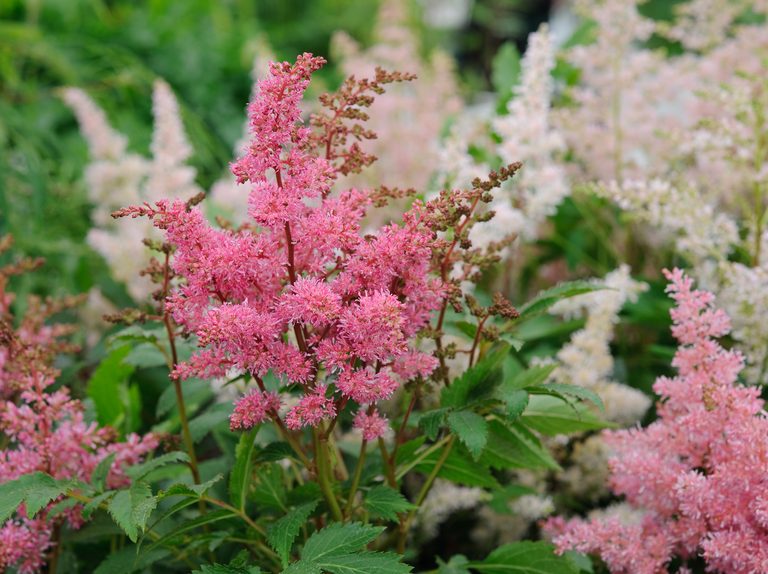
As a gardener, you’re likely no stranger to the world of perennials. But among the many options available, one plant stands out for its unique beauty and versatility: the Astilbe. Native to Asia and Europe, this stunning flower is often used as an ornamental in gardens and landscapes, adding a touch of elegance with its elegant foliage and vibrant blooms.
In this comprehensive guide, we’ll delve into the world of Astilbe, exploring its various species, cultivation requirements, flowering habits, and more. Whether you’re a seasoned gardener or just starting out, you’ll find valuable insights to help you grow and enjoy these magnificent plants.
Astilbe Varieties: A Detailed Overview
With over 18 species of Astilbe registered under the Saxifragaceae family, there’s a wealth of options to choose from. These plants have been extensively hybridized, resulting in countless cultivars that cater to different tastes and growing conditions. Here are some of the most notable varieties:
- Astilbe japonica: Native to Japan, this species is known for its striking white flowers, which bloom in May-June.
- Astilbe astilboides: Hailing from Japan as well, this variety boasts larger inflorescences and a more vibrant color palette, with blooms appearing in June.
- Astilbe thunbergii: Originating from Japan, this compact plant features white flowers on slender stems, blooming in May.
These are just a few examples of the many Astilbe varieties available. Each has its unique characteristics, making it an excellent choice for gardeners seeking to add some excitement to their outdoor spaces.
Cultivating Astilbe: Tips and Tricks
Growing Astilbe can be a breeze with the right care and attention. Here are some key considerations:
- Lighting: Provide dappled shade or partial sun, ensuring the soil remains moist but not waterlogged.
- Soil: Use well-draining, fertile ground to prevent root rot and promote healthy growth.
- Watering: Water regularly, especially during hot summer months. Be cautious not to overwater, which can lead to root decay.
By following these guidelines, you’ll be well on your way to creating a stunning Astilbe display that will delight both you and your guests.
Flowering Habits: A Closer Look
Astilbe is renowned for its vibrant blooms, which typically appear in late spring and early summer. These flowers come in a range of colors, including white, pink, red, purple, and more. The inflorescences are composed of delicate, feathery plumes that sway gently in the breeze.
When it comes to flower care, here are some essential tips:
- Deadheading: Remove spent blooms to encourage new growth and prevent seed production.
- Pruning: Trim back overgrown stems to maintain shape and promote healthy growth.
By taking these steps, you’ll be able to enjoy your Astilbe flowers for a longer period and maximize their beauty.
Common Maladies: Prevention is Key
While Astilbe is generally resistant to pests and diseases, there are some potential issues to watch out for:
- Aphids: These tiny insects can attack inflorescences, causing damage and discoloration.
- Heat stress: Prolonged periods of high temperatures can lead to water stress and root decay.
To prevent these problems, keep a close eye on your plants, removing any signs of infestation or disease promptly. Regularly inspect your Astilbe for potential issues, taking action before they become major concerns.
Purchasing and Caring for Your Astilbe
If you’re new to the world of Astilbe cultivation, consider starting with a healthy, established plant from a reputable nursery. You can also purchase Astilbe online through Amazon or other trusted retailers.
When caring for your new addition:
- Handle with care: Avoid damaging roots or stems during planting.
- Water regularly: Keep the soil consistently moist but not waterlogged.
- Provide adequate sunlight: Ensure your plant receives sufficient light to promote healthy growth.
By following these guidelines, you’ll be well on your way to creating a thriving Astilbe garden that brings joy and beauty to your outdoor space.
Astilbe Care Tips: Special Considerations
Here are some additional tips for specific situations:
- Spring planting: Plant new Astilbe in the spring, when the soil has warmed up and dried out slightly.
- Summer maintenance: Regularly water and fertilize your Astilbe during hot summer months to keep it healthy and thriving.
- Fall cleanup: Remove dead leaves and debris from your Astilbe after fall, helping to prevent disease and promote new growth.
By following these guidelines, you’ll be able to create a stunning Astilbe garden that brings joy and beauty to your outdoor space. Whether you’re a seasoned gardener or just starting out, the beauty of Astilbe is sure to captivate your senses and inspire your creativity.
Astilbe in Container Gardens
Astilbe can thrive in container gardens, making them an excellent choice for small spaces or urban environments. Here are some tips for growing Astilbe in containers:
- Choose the right pot: Select a large enough pot that provides good drainage and allows for adequate root growth.
- Use well-draining soil: Avoid using regular garden soil in containers, as it can lead to waterlogging and root decay.
- Provide sufficient light: Place your container garden in a location with partial shade or full sun, depending on the specific needs of your Astilbe variety.
By following these guidelines, you’ll be able to create a beautiful and thriving Astilbe container garden that brings joy and beauty to your outdoor space.
Astilbe in Hanging Baskets
Astilbe can also thrive in hanging baskets, making them an excellent choice for porches, patios, or other elevated spaces. Here are some tips for growing Astilbe in hanging baskets:
- Choose the right basket: Select a sturdy basket that provides good drainage and allows for adequate root growth.
- Use well-draining soil: Avoid using regular garden soil in hanging baskets, as it can lead to waterlogging and root decay.
- Provide sufficient light: Place your hanging basket in a location with partial shade or full sun, depending on the specific needs of your Astilbe variety.
By following these guidelines, you’ll be able to create a beautiful and thriving Astilbe hanging basket that brings joy and beauty to your outdoor space.


