
What is Astaxanthin?
Astaxanthin is a powerful carotenoid pigment that has been found in various marine organisms, including salmon, trout, shrimp, and mussels. It’s also the key ingredient behind many health supplements and products claiming to improve overall well-being. This remarkable compound has gained significant attention in recent years due to its potential benefits for human health.
How Does Astaxanthin Work?
As an antioxidant, astaxanthin helps protect cells from damage caused by free radicals. Free radicals are unstable molecules that can cause oxidative stress and inflammation in the body, leading to various health problems. By neutralizing these harmful compounds, astaxanthin plays a crucial role in maintaining cellular health and promoting overall well-being.
Astaxanthin’s antioxidant properties also have a beneficial impact on the immune system. It helps stimulate the production of white blood cells, which are essential for fighting off infections and diseases. Additionally, astaxanthin has been shown to improve the body’s natural ability to remove waste products, such as heavy metals and toxins.
What Can Astaxanthin Do for You?
Astaxanthin has been extensively studied for its potential health benefits, including:
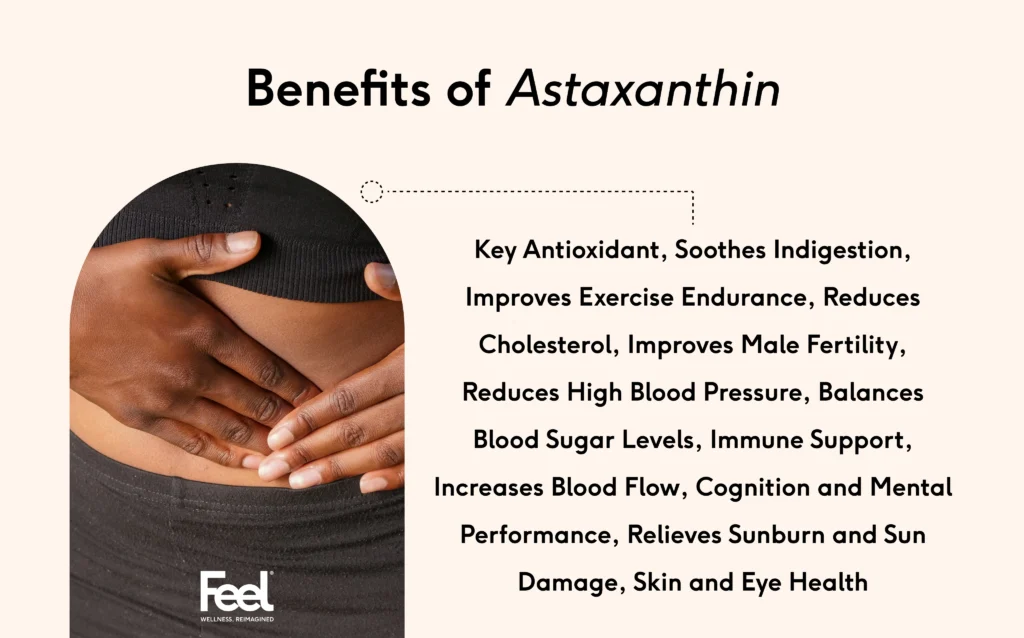
- Eye Health: Studies suggest that astaxanthin may improve vision loss associated with aging by protecting the retina from damage. This is particularly relevant for individuals at risk of age-related macular degeneration (AMD).
- Sensory Neuropathy: Some research indicates that astaxanthin can alleviate symptoms of nerve pain and numbness, particularly in people with peripheral neuropathy. This condition affects millions worldwide, causing significant discomfort and disability.
- Digestive Health: Astaxanthin has been shown to reduce inflammation and improve symptoms of indigestion, bloating, and digestive discomfort. This is likely due to its ability to protect the gut lining and promote the growth of beneficial gut bacteria.
- Muscle Recovery: The antioxidant properties of astaxanthin may help reduce muscle damage after intense exercise and improve overall athletic performance. This is particularly relevant for athletes and individuals who engage in regular physical activity.
- Heart Health: Some studies suggest that astaxanthin can lower triglycerides and increase levels of high-density lipoprotein (HDL) cholesterol, both of which are beneficial for heart health. This may help reduce the risk of cardiovascular disease.
- Fertility: Research indicates that astaxanthin may improve sperm quality and fertility in men with infertility issues. This is likely due to its ability to reduce oxidative stress and promote healthy sperm development.
- Menopause Symptoms: Astaxanthin has been shown to alleviate symptoms such as hot flashes, joint pain, and mood swings associated with menopause. This is particularly relevant for women experiencing perimenopause or postmenopausal symptoms.
Benefits of Taking Astaxanthin
Astaxanthin is available as a dietary supplement in various forms, including capsules, softgels, and powders. When taken regularly, astaxanthin may provide several benefits, including:
- Improved Immune Function: By boosting the immune system, astaxanthin can help protect against infections and diseases.
- Enhanced Athletic Performance: The antioxidant properties of astaxanthin may improve muscle function and reduce inflammation, leading to better overall athletic performance.
- Reduced Inflammation: Astaxanthin’s anti-inflammatory effects may alleviate symptoms associated with conditions such as arthritis and other inflammatory diseases.
Important Notes
While the potential benefits of astaxanthin are promising, it’s essential to note that:
- The current evidence for its effectiveness is largely anecdotal and requires further scientific research.
- Astaxanthin can interact with certain medications or worsen underlying health conditions. Always consult a healthcare professional before adding any supplement to your regimen.
Conclusion
Astaxanthin is a powerful antioxidant with potential health benefits that warrant further investigation. While more studies are needed to confirm its effectiveness, incorporating astaxanthin into your diet or supplement routine may provide a natural and sustainable way to support overall well-being.
Frequently Asked Questions (FAQs)
Q: What is the recommended dosage of astaxanthin?
A: The optimal dosage varies depending on individual needs and goals. Consult with a healthcare professional before starting supplementation.
Q: Can astaxanthin interact with medications or worsen underlying health conditions?
A: Yes, it’s essential to consult with a healthcare professional before adding astaxanthin to your regimen, especially if you’re taking medications or have pre-existing health conditions.
Q: What are the potential side effects of taking astaxanthin?
A: Gastrointestinal upset, allergic reactions, and other adverse effects may occur in some individuals. Monitor your body’s response and adjust your dosage or discontinue use if necessary.
Q: How long does it take to notice the benefits of astaxanthin?
A: The onset of benefits can vary depending on individual factors, such as starting dose, duration of supplementation, and overall health. Be patient and consistent with your regimen.
Q: Can I buy astaxanthin online or through a local supplement store?
A: Yes, astaxanthin is widely available in various forms and prices at online retailers and supplement stores. Always choose reputable sources to ensure quality and purity.
Q: What are some natural ways to increase my astaxanthin levels without supplements?
A: A balanced diet rich in omega-3 fatty acids, antioxidants, and other nutrients can support astaxanthin production naturally. Some foods that contain high levels of astaxanthin include salmon, mussels, and algae oil.
Q: Can I take astaxanthin with other supplements or medications?
A: Consult with a healthcare professional before combining astaxanthin with other supplements or medications to ensure safe interactions and optimal effectiveness.


