
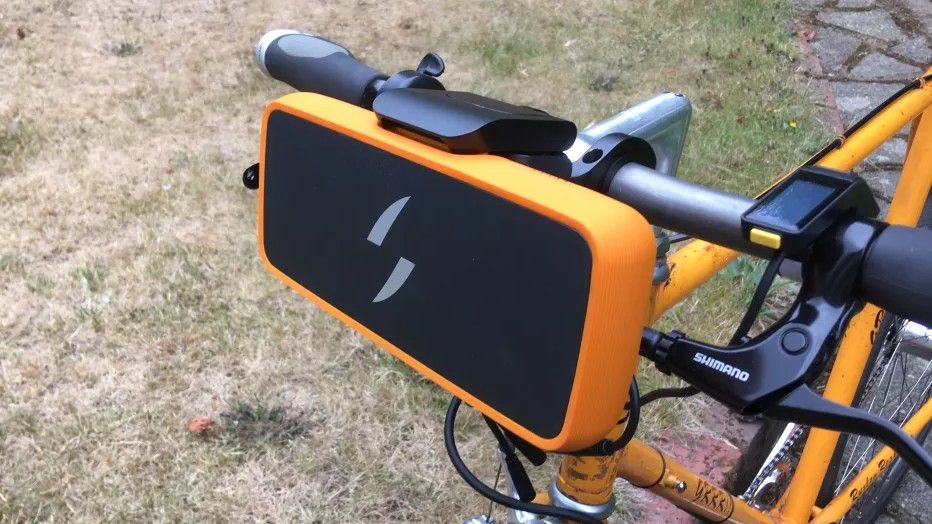
As we continue to navigate the complexities of urban life, many of us are looking for ways to make our commutes more efficient, environmentally friendly, and enjoyable. One solution that has gained popularity in recent years is electric-assist cycling, also known as pedelec or e-bike. In this article, we’ll delve into the world of e-bikes and pedelecs, exploring their benefits, features, and what sets them apart from traditional bicycles.
The Evolution of E-Bikes
E-bikes have come a long way since their inception in the early 2000s. Initially met with skepticism and even ridicule, these vehicles have undergone significant transformations over the years. Modern e-bikes boast sleek designs, improved range, and enhanced performance, making them an attractive option for those seeking a more convenient and comfortable cycling experience.
The Science Behind E-Bikes
So, what makes an e-bike tick? At its core, an e-bike is simply a bicycle with an added electric motor and battery. The motor assist provides a boost of power, allowing the rider to pedal farther or more efficiently without exerting excessive energy. This is achieved through a system called regenerative braking, which captures kinetic energy and converts it into electrical energy.
Types of E-Bikes
There are several types of e-bikes on the market, each designed for specific purposes and riding styles:
- Hybrid E-Bikes: A versatile option suitable for both leisurely rides and commuting. These e-bikes combine elements of road bikes and mountain bikes, offering a comfortable ride on various terrain.
- Mountain E-Bikes: Built for off-road adventures, these e-bikes feature sturdy frames and advanced suspension systems, allowing riders to tackle challenging trails with ease.
- Commuter E-Bikes: Designed specifically for daily commutes, these e-bikes prioritize practicality and reliability. They often feature rugged designs, durable components, and long-lasting batteries.
- Folding E-Bikes: Perfect for city dwellers, these e-bikes fold up neatly for easy storage in small spaces.
- Tandem E-Bikes: Designed for two riders, these e-bikes promote social cycling, exercise, and fun.
Pedal-Assist vs. Throttle-Assist
When it comes to choosing an e-bike, two key considerations are pedal-assist and throttle-assist:
- Pedal-Assist: The motor assist is engaged when the rider pedals, providing a boost of power.
- Throttle-Assist: A throttle allows riders to accelerate without pedaling.
E-Bikes vs. Scooters
One common question is whether e-bikes or scooters should be classified as bicycles. In 2002, the European Union defined a bicycle as a vehicle with an electric motor that meets specific power and speed limits (≤250W). E-bikes within these parameters are officially recognized as bicycles.
Benefits of E-Biking
E-biking offers numerous benefits for riders and the environment:
- Environmental Benefits: E-bikes produce zero emissions, reducing air pollution and greenhouse gas emissions.
- Cost-Effective: E-bikes require less maintenance than traditional vehicles, saving riders money on fuel, parking, and vehicle registration.
- Improved Health: Regular cycling can improve cardiovascular health, boost mood, and increase energy levels.
Regulations and Laws
As e-biking becomes increasingly popular, governments worldwide are implementing regulations to ensure safety and fairness:
- Speed Limits: Most jurisdictions have set speed limits for e-bikes, typically ranging from 15 to 25 mph.
- Helmet Requirements: Many countries require riders to wear helmets while operating an e-bike.
- Licensing Requirements: Some regions require a license or registration for e-bike owners.
Safety Tips and Precautions
Riding an e-bike requires attention to safety:
- Wear Protective Gear: Always wear a helmet, knee pads, and elbow pads when riding an e-bike.
- Follow Traffic Rules: Obey traffic signs, signals, and lanes, just like with traditional vehicles.
- Maintain Your E-Bike: Regularly check tire pressure, brake function, and battery levels to ensure optimal performance.
The Future of E-Biking
As e-biking continues to gain popularity, innovations in design, technology, and sustainability will shape the future of this mode of transportation. With advancements in battery life, motor efficiency, and affordable pricing, e-bikes will become an increasingly viable option for urban dwellers seeking a more environmentally friendly alternative.
Frequently Asked Questions
Here are some answers to common questions about e-bikes:
- Are e-bikes suitable for all ages?: E-bikes can be adapted to accommodate riders of various skill levels and physical abilities.
- Do I need a license to ride an e-bike?: In most jurisdictions, no license is required. However, laws regarding helmets, safety gear, and traffic regulations vary by region.
- How long do e-bike batteries last?: Battery life varies depending on usage patterns, terrain, and model specifications.
By understanding the benefits, features, and regulations surrounding e-bikes, you can make an informed decision about whether this mode of transportation is right for you.


