
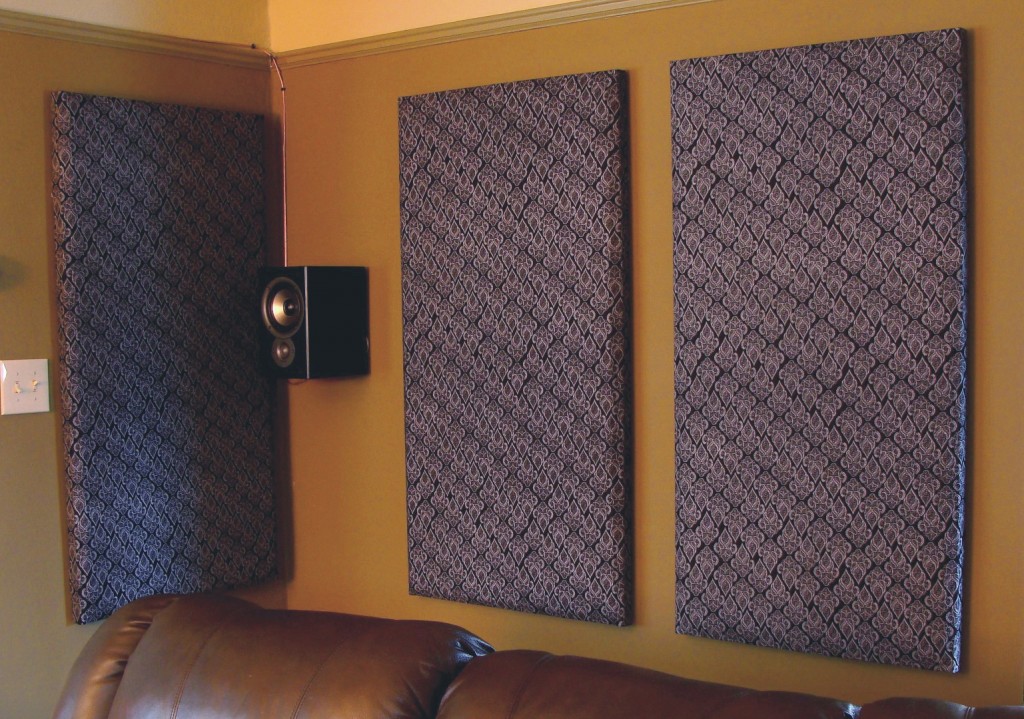
As the world becomes increasingly aware of the importance of energy efficiency and reducing our carbon footprint, homeowners are turning to insulation as a key solution. One popular choice is foam panels, which can be easily installed by anyone, even without professional help. In this article, we’ll explore the benefits of using foam panels for insulation and provide a step-by-step guide on how to mount them.
What are Foam Panels?
Foam panels are one of the simplest insulation options available in the market today. They come in pre-made kits that can be easily installed without any professional assistance. These panels are designed to provide excellent thermal insulation, reducing heat transfer and minimizing energy loss.
Types of Foam Panels
There are several types of foam panels available, including:
- R-etro System: A Canadian-designed system consisting of foam panels with a thickness of 110mm (double the thickness of a regular panel). These panels come with plastic clips for easy installation and guides made from zinc-coated steel.
- Expanded Polystyrene (EPS) Foam Panels: EPS foam panels are lightweight, inexpensive, and easy to install. They’re suitable for exterior insulation projects and provide excellent thermal insulation.
- Polyisocyanurate (PIR) Foam Panels: PIR foam panels offer high thermal performance and durability, making them a popular choice for interior insulation projects.
- Other Foam Panels: There are many other types of foam panels available, including those made from polyurethane (PU), melamine foam, and ceramic fiber.
The Benefits of Using Foam Panels
Foam panels have several benefits when it comes to insulation:
- Easy Installation: Foam panels can be easily installed without any professional assistance.
- High Thermal Insulation: Foam panels provide excellent thermal insulation, reducing heat transfer and minimizing energy loss.
- Versatility: Foam panels can be used in various applications, including wall insulation, floor insulation, and ceiling insulation.
- Durability: Foam panels are resistant to moisture, pests, and mold, ensuring a long lifespan for your insulation.
- Cost-Effective: Foam panels are often less expensive than traditional insulation materials, making them an attractive option for homeowners on a budget.
How to Mount Foam Panels
Mounting foam panels is a straightforward process:
- Prepare the Surface: Before mounting the foam panels, make sure the surface is clean, dry, and free of any obstructions.
- Install Guides: Install guides made from zinc-coated steel at the base of the wall to ensure the foam panels fit snugly.
- Mount Foam Panels: Mount the foam panels using the plastic clips provided with the R-etro System or other foam panel kits.
The Importance of Proper Installation
Proper installation is crucial when it comes to insulation:
- Sealing Gaps: Ensure that all gaps between the foam panels and the wall are sealed to prevent air leaks.
- Drainage: Ensure that the foam panels allow for proper drainage to prevent water accumulation.
- Moisture Protection: Use a breathable membrane to protect the foam panels from moisture damage.
Additional Tips and Considerations
Before installing foam panels, consider the following:
- Check Local Building Codes: Familiarize yourself with local building codes and regulations regarding insulation materials and installation methods.
- Choose the Right Foam Panel for Your Needs: Select a foam panel that meets your specific requirements and budget.
- Use Proper Safety Equipment: Always wear protective gear, including gloves, safety glasses, and a dust mask, when working with power tools and materials.
Conclusion
Foam panels offer a convenient and effective solution for insulation, making them an attractive option for homeowners who want to reduce their energy bills and minimize their carbon footprint. By following the steps outlined in this guide, you can easily install foam panels and enjoy the benefits of improved thermal insulation.
Frequently Asked Questions (FAQs)
- Q: Can I install foam panels myself?
- A: Yes, you can install foam panels yourself with minimal professional assistance.
- Q: What is the best type of foam panel for my needs?
- A: The best type of foam panel for your needs will depend on your specific requirements and budget.
- Q: How long does it take to install foam panels?
- A: Installation time can vary depending on the size of the area being insulated and the complexity of the job.
- Q: Are there any safety precautions I need to take when installing foam panels?
- A: Yes, always follow safety guidelines and manufacturer instructions when working with power tools and materials.
By following this guide, you can make an informed decision about using foam panels for insulation and enjoy the benefits of improved thermal insulation in your home.


