
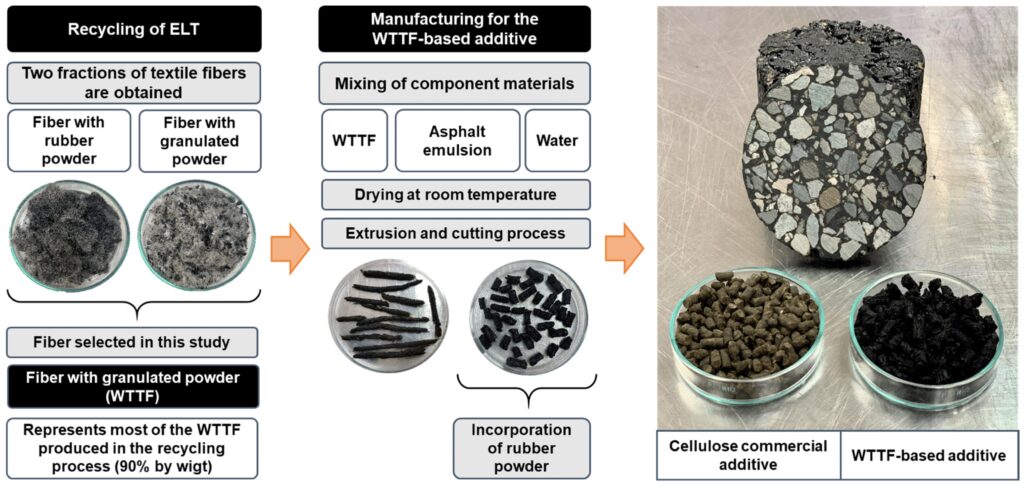
As the world grapples with the challenges of climate change, environmental degradation, and resource depletion, innovative solutions are emerging to address these issues. One such solution is the use of recycled asphalt, which is made from post-consumer materials like old tires.
What is Recycled Asphalt?
Recycled asphalt, also known as reclaimed asphalt pavement (RAP), is a type of asphalt produced from recycled materials. It’s created by processing and reusing old tires, which are then mixed with other aggregate materials to form a new asphalt product. This process not only reduces waste but also conserves natural resources.
Benefits of Recycled Asphalt
So, why is recycled asphalt such an attractive solution? Here are just a few benefits:
- Environmental Benefits: The production of recycled asphalt reduces the need for virgin materials, which in turn decreases greenhouse gas emissions and minimizes environmental pollution.
- Cost Savings: Using recycled asphalt can significantly reduce construction costs, as it eliminates the need for new raw materials and transportation costs.
- Improved Safety: Recycled asphalt is more durable and resistant to weathering, which means that roads and pavements are safer and less prone to damage.
Applications of Recycled Asphalt
Recycled asphalt has a wide range of applications in various industries. Some of the most common uses include:
- Road Construction: Recycled asphalt can be used to build new roads, improve existing ones, or even create parking lots.
- Airport Runways: The high-strength properties of recycled asphalt make it an ideal material for airport runways and taxiways.
- Sports Facilities: Recycled asphalt is often used in sports facilities like soccer fields, baseball diamonds, and tennis courts.
Case Study: Italy’s Pneumatic Tire Recycling Program
Italy has been at the forefront of pneumatic tire recycling since 2000. The country’s program involves collecting used tires, sorting them by material type, and then recycling them into various products like asphalt, rubber mulch, and even playground surfaces.
What is PFU?
PFU stands for Pneumatic Fuori Uso, which translates to “used pneumatic tires” in Italian. These tires are collected from households, businesses, and waste management facilities and then processed into recycled materials.
The Ecopneus Advantage
Ecopneus is a leading company in the field of tire recycling, with over 20 years of experience. The company’s innovative approach to recycling has made it possible to produce high-quality asphalt products that are not only environmentally friendly but also cost-effective.
In conclusion, recycled asphalt is an innovative solution that addresses environmental concerns while providing economic benefits. By using recycled materials, we can reduce waste and conserve natural resources, creating a more sustainable future for generations to come.
Frequently Asked Questions
- What is the difference between recycled asphalt and virgin asphalt?
- How does recycled asphalt benefit the environment?
- Can recycled asphalt be used in construction projects?
- What types of materials can be recycled into asphalt?
- Why is recycling tires important?
- How can I participate in a tire recycling program in my community?
- What are the benefits of using recycled asphalt for road construction?
- Can recycled asphalt be used on airport runways and taxiways?
The Future of Recycled Asphalt
As the world continues to grapple with environmental challenges, the use of recycled asphalt is likely to become an increasingly important solution. With its numerous benefits and applications, recycled asphalt is poised to play a major role in shaping the future of infrastructure development.
In order to ensure that the benefits of recycled asphalt are realized, there is a need for increased awareness and education about this innovative technology. Governments, businesses, and individuals must work together to promote the use of recycled materials and support the development of sustainable infrastructure projects.
By embracing recycled asphalt as a solution for environmental sustainability and economic efficiency, we can create a brighter future for generations to come.
Conclusion
Recycled asphalt is an exciting new technology that has the potential to transform the way we build and maintain our infrastructure. By harnessing the power of post-consumer materials like old tires, we can reduce waste, conserve natural resources, and create safer and more durable roads and pavements. As we move forward into the future, it’s clear that recycled asphalt will play an increasingly important role in shaping the course of history.
Whether you’re a construction professional, a government official, or simply a concerned citizen, there are many ways to get involved in promoting the use of recycled asphalt. From supporting infrastructure projects that incorporate recycled materials to participating in local recycling programs, every action counts.
Together, we can create a more sustainable future for all – one piece of recycled asphalt at a time.


