
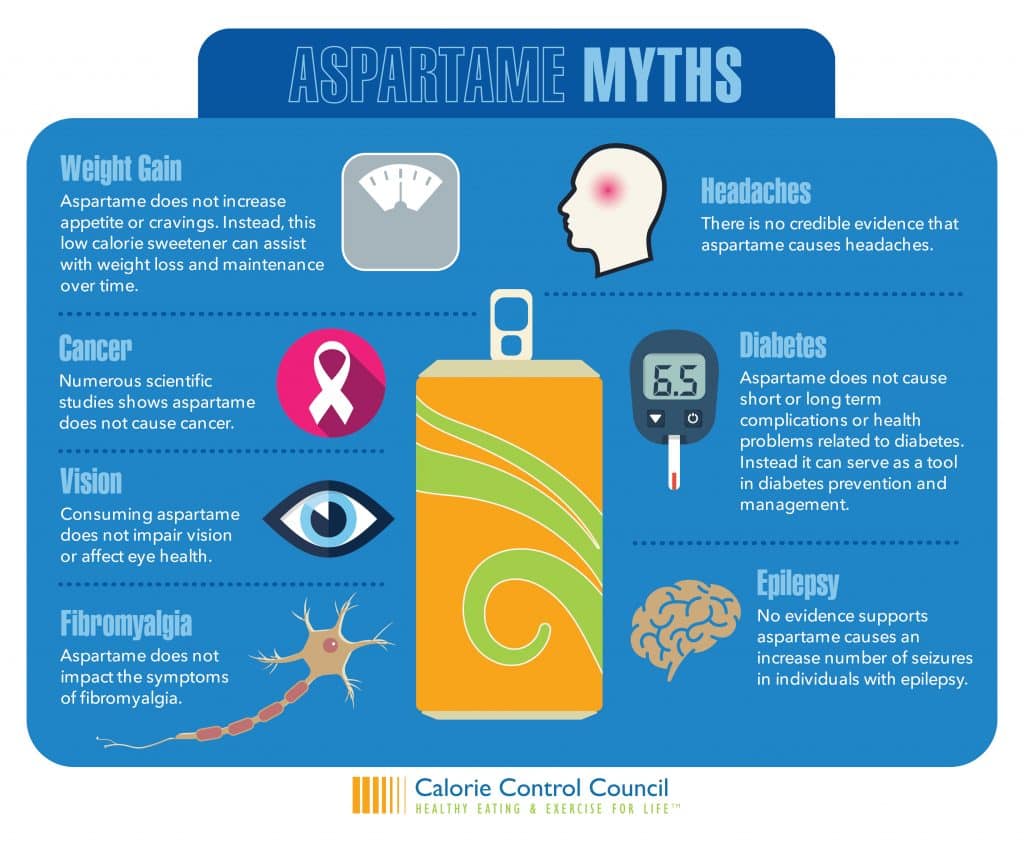
As a common artificial sweetener, aspartame has been the subject of much debate and controversy. Despite its widespread use in various food products, many people remain skeptical about its safety and potential health effects. In this article, we’ll delve into the world of aspartame, exploring what it is, its history, and the scientific evidence surrounding its potential risks.
What Is Aspartame?
Aspartame was first discovered in 1965 by chemist James Schlatter of G.D. Searle and Company. It has since become one of the most widely used artificial sweeteners globally, found in everything from diet sodas to sugar-free yogurt. But what exactly is aspartame?
From a chemical standpoint, aspartame is an artificial dipeptide composed of two common amino acids: aspartic acid and phenylalanine. It’s this unique structure that gives aspartame its distinctive sweetness level, which is 160-220 times more potent than sucrose.
Is Aspartame Cancerous?
One of the most enduring myths surrounding aspartame is its alleged link to cancer. While there have been some studies suggesting a potential carcinogenic effect, these findings are far from conclusive. The European Food Safety Authority (EFSA) and the FDA have both deemed aspartame safe for human consumption.
In fact, numerous scientific organizations, including the National Cancer Institute and the World Health Organization, have conducted extensive reviews of the evidence and found no credible link between aspartame and cancer.
One study published in the Journal of Carcinogenesis and Mutagenesis in 2015 analyzed data from over 30 countries and concluded that there was “no evidence to support a causal relationship between aspartame consumption and human cancer.” Another study published in the journal Cancer Epidemiology, Biomarkers & Prevention in 2018 found no association between aspartame consumption and increased risk of certain types of cancer.
Aspartame: Contraindications
While aspartame is generally considered safe, there are some individuals who should limit their use of this sweetener. For example, people with phenylketonuria (PKU), a rare genetic disorder that affects the body’s ability to process phenylalanine, should avoid or limit their consumption of aspartame due to its potential toxicity.
Additionally, pregnant women should be mindful of their aspartame intake, as excessive consumption may pose potential health risks. The EFSA recommends limiting daily aspartame intake to 40 mg per kilogram of body weight.
Aspartame: Sweetener
So why is aspartame so effective at sweetening foods and beverages? For one, its sweetness level is incredibly potent, making it a popular choice for manufacturers looking to reduce sugar content without sacrificing flavor. In terms of calories, aspartame provides approximately 4 Kcal per gram, which is significantly lower than sucrose.
But what about the taste? Aspartame has a unique, slightly sweet and clean aftertaste that many people find pleasing. This is particularly true in citrus-flavored products like lemon-lime soda or fruit-flavored yogurts.
Is Aspartame for Diabetics?
For diabetics who need to monitor their blood glucose levels, aspartame can be a valuable tool. Unlike sucrose, which can cause significant fluctuations in blood sugar, aspartame is acarogenic, meaning it won’t raise blood sugar levels or contribute to tooth decay.
In fact, many diabetics rely on aspartame-containing products like sugar-free gum or low-calorie baked goods to manage their condition without sacrificing flavor. Aspartame can also help reduce the carbohydrate content of foods and beverages, making them more suitable for diabetic diets.
Aspartame During Pregnancy
Despite concerns and rumors, there is no conclusive evidence to suggest that aspartame poses a significant risk during pregnancy. In fact, the EFSA recommends limiting daily aspartame intake to 40 mg per kilogram of body weight during this critical period.
However, it’s always best to err on the side of caution when it comes to artificial substances, and pregnant women should consult with their healthcare provider before consuming aspartame-containing products in excess of recommended limits. Additionally, pregnant women should also be mindful of other potential risks associated with aspartame, such as increased risk of uterine hyperplasia and breast cancer.
Conclusion
Aspartame is a complex substance that has been at the center of controversy for decades. While some claim it’s a carcinogen or poses other health risks, the scientific evidence simply doesn’t support these assertions. As a safe and effective sweetener, aspartame can be a valuable tool in the fight against obesity and diabetes.
However, it’s essential to remember that moderation is key when it comes to consuming any artificial substance, including aspartame. By understanding its unique properties and potential risks, we can make informed choices about our diet and enjoy the many benefits of aspartame without worrying about its negative effects.
Frequently Asked Questions
Q: Is aspartame safe for human consumption?
A: Yes, numerous scientific organizations have deemed aspartame safe for human consumption, including the EFSA and FDA.
Q: Does aspartame cause cancer?
A: No credible evidence suggests a link between aspartame and cancer. However, some studies have raised concerns about potential carcinogenic effects.
Q: Can diabetics safely consume aspartame?
A: Yes, aspartame can be a valuable tool for diabetics who need to monitor their blood glucose levels without sacrificing flavor.
Q: Is it safe for pregnant women to consume aspartame?
A: Yes, the EFSA recommends limiting daily aspartame intake to 40 mg per kilogram of body weight during pregnancy. However, pregnant women should consult with their healthcare provider before consuming aspartame-containing products in excess of recommended limits.
Q: Can I get addicted to aspartame?
A: No, research suggests that aspartame does not lead to physical addiction or dependence.
Q: Is aspartame suitable for individuals with PKU?
A: No, people with phenylketonuria should avoid or limit their consumption of aspartame due to its potential toxicity.
Q: Can I consume aspartame in moderation without worrying about negative effects?
A: Yes, moderation is key when it comes to consuming any artificial substance. By understanding the unique properties and potential risks of aspartame, you can make informed choices about your diet and enjoy the many benefits of this sweetener without worrying about its negative effects.
Debunking Common Myths
Myth #1: Aspartame is a known carcinogen
Reality: While some studies have raised concerns about potential carcinogenic effects, the scientific evidence simply doesn’t support these assertions. The EFSA and FDA have both deemed aspartame safe for human consumption.
Myth #2: Aspartame causes brain tumors
Reality: There is no credible evidence to suggest that aspartame causes brain tumors. In fact, numerous studies have found no association between aspartame consumption and increased risk of certain types of cancer.
Myth #3: Aspartame is addictive
Reality: Research suggests that aspartame does not lead to physical addiction or dependence. While some people may experience withdrawal symptoms when they stop consuming aspartame, these symptoms are typically mild and temporary.
Myth #4: Aspartame is only suitable for low-calorie foods
Reality: Aspartame can be used in a wide range of foods and beverages, from sugar-free gum to low-calorie baked goods. Its sweetening properties make it an ideal choice for manufacturers looking to reduce sugar content without sacrificing flavor.
Aspartame: The Future of Artificial Sweeteners
In recent years, there has been a growing interest in alternative artificial sweeteners that are considered safer and more natural than aspartame. Some popular alternatives include:
- Stevia
- Erythritol
- Xylitol
While these alternatives may have their own set of benefits and drawbacks, it’s essential to remember that moderation is key when it comes to consuming any artificial substance.
Conclusion
Aspartame is a complex substance that has been at the center of controversy for decades. While some claim it’s a carcinogen or poses other health risks, the scientific evidence simply doesn’t support these assertions. As a safe and effective sweetener, aspartame can be a valuable tool in the fight against obesity and diabetes.
However, it’s essential to remember that moderation is key when it comes to consuming any artificial substance, including aspartame. By understanding its unique properties and potential risks, we can make informed choices about our diet and enjoy the many benefits of aspartame without worrying about its negative effects.


