
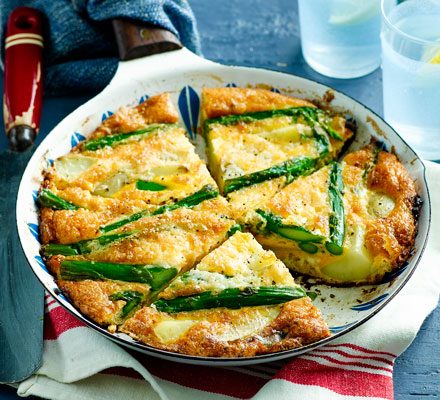
Are you looking for a versatile and nutritious dish that’s perfect for breakfast, lunch, or dinner? Look no further than the asparagus and potato frittata! This Italian classic is a staple in many kitchens, and with good reason. Not only is it easy to make, but it’s also packed with healthy ingredients that will keep you full and satisfied.
In this article, we’ll explore the history of the frittata, its benefits for your health, and most importantly, how to make one that’s sure to impress. We’ll cover the basics of ingredients, preparation methods, and even offer some tips and tricks to take your frittata game to the next level.
The Power of Asparagus
Before we dive into the recipe, let’s talk about why asparagus is such a great ingredient. Rich in minerals like potassium and magnesium, asparagus is an excellent choice for heart health and muscle function. It’s also incredibly versatile, making it easy to incorporate into a variety of dishes.
In this case, we’re using asparagus in combination with potatoes to create a hearty and flavorful frittata that’s perfect for any time of day. Asparagus adds a delicate sweetness and a burst of freshness to the dish, while the potatoes provide a satisfying crunch and a boost of complex carbohydrates.
What You’ll Need
Before you start cooking, make sure you have the following ingredients on hand:
- 5 eggs
- 500g fresh asparagus
- 150g ricotta cheese
- 4 tablespoons besciamella sauce
- 100g provolone cheese, sliced
- 5 medium-sized potatoes, peeled and diced
- A handful of pine nuts
- A sprig of fresh parsley
- 50g grated Parmesan cheese
- 1 bulb of garlic, minced
- Olive oil
- Salt and pepper to taste
Preparation Methods
Now that we have our ingredients, let’s move on to the preparation methods. Here’s a step-by-step guide on how to make your perfect asparagus and potato frittata:
Step 1: Prepare the Asparagus and Potatoes
Start by washing the asparagus and trimming off the tough ends. Next, peel and dice the potatoes into thin slices.
Step 2: Cook the Asparagus and Potatoes
In a large pot, combine the asparagus and potatoes with enough water to cover them. Bring to a boil, then reduce heat and simmer for 15 minutes, or until the vegetables are tender. Remove from heat and let cool slightly.
Step 3: Prepare the Filling
While the vegetables are cooking, prepare the filling by chopping the garlic, parsley, and pine nuts. In a separate bowl, whisk together the eggs, salt, and pepper.
Step 4: Assemble and Cook the Frittata
Once the asparagus and potatoes have cooled slightly, chop them into smaller pieces. In a large skillet, heat some olive oil over medium heat. Add the chopped garlic and cook for 1-2 minutes until fragrant.
Next, add the chopped asparagus and potatoes to the skillet, along with the besciamella sauce, provolone cheese, and parsley. Cook for an additional 5-7 minutes, stirring occasionally, until the vegetables are tender and the cheese is melted.
Step 5: Add the Egg Mixture
In a separate bowl, whisk together the eggs and add the ricotta cheese, Parmesan cheese, and a pinch of salt and pepper. Pour the egg mixture over the vegetable mixture in the skillet.
Step 6: Cook to Perfection
Cook the frittata for an additional 5-7 minutes, or until the eggs are set and the bottom is golden brown. Use a spatula to gently lift the edges of the frittata and tilt the skillet so that any uncooked egg can flow underneath.
Step 7: Serve and Enjoy!
Once the frittata is cooked, remove it from heat and let cool for a few minutes before slicing into wedges. Serve warm or at room temperature, garnished with additional parsley if desired.
Tips and Variations
Want to take your frittata game to the next level? Try these tips and variations:
- Use fresh herbs like basil or rosemary instead of parsley for added flavor.
- Add some diced ham or bacon to give the frittata a savory twist.
- Substitute other vegetables like bell peppers or mushrooms for added variety.
- Experiment with different cheeses, such as mozzarella or cheddar, for a unique flavor profile.
Benefits of Frittatas
Frittatas are an excellent choice for breakfast, lunch, or dinner due to their numerous health benefits. Here are just a few reasons why you should make a frittata a staple in your kitchen:
- High in Protein: Eggs are an excellent source of protein, making them a great option for those looking to increase their protein intake.
- Rich in Vitamins and Minerals: Asparagus is rich in vitamins A, C, and K, as well as minerals like potassium and magnesium. Potatoes add complex carbohydrates and fiber to the dish.
- Low in Calories: Frittatas are relatively low in calories compared to other breakfast options, making them a great choice for those watching their weight.
History of the Frittata
The frittata has a rich history that dates back centuries. The Italian word “frittata” literally means “pan-fried”, and this dish is believed to have originated in Italy during the Renaissance period.
Over time, the frittata spread throughout Europe, with various countries adding their own unique twists and ingredients to the classic recipe. Today, the frittata remains a beloved dish around the world, enjoyed by people of all ages and backgrounds.
Variations:
Want to mix things up? Try these variations on the classic recipe:
- Frittata alla Fiorentina: Add some diced prosciutto and arugula to create a more savory and umami-rich flavor profile.
- Roasted Asparagus Frittata: Roast the asparagus in the oven with olive oil and salt before adding it to the skillet for added depth of flavor.
Get Creative!
Want to take your frittata game to the next level? Try experimenting with different ingredients, flavors, and presentation styles. Here are some ideas to get you started:
- Herb-Infused Frittatas: Infuse the eggs with fresh herbs like basil or rosemary for a unique flavor profile.
- Cheesy Frittatas: Add an extra layer of cheese on top of the frittata before serving for an indulgent treat.
- Frittata Skewers: Thread cherry tomatoes, mozzarella balls, and fresh basil leaves onto skewers for a colorful and easy-to-eat snack.


