
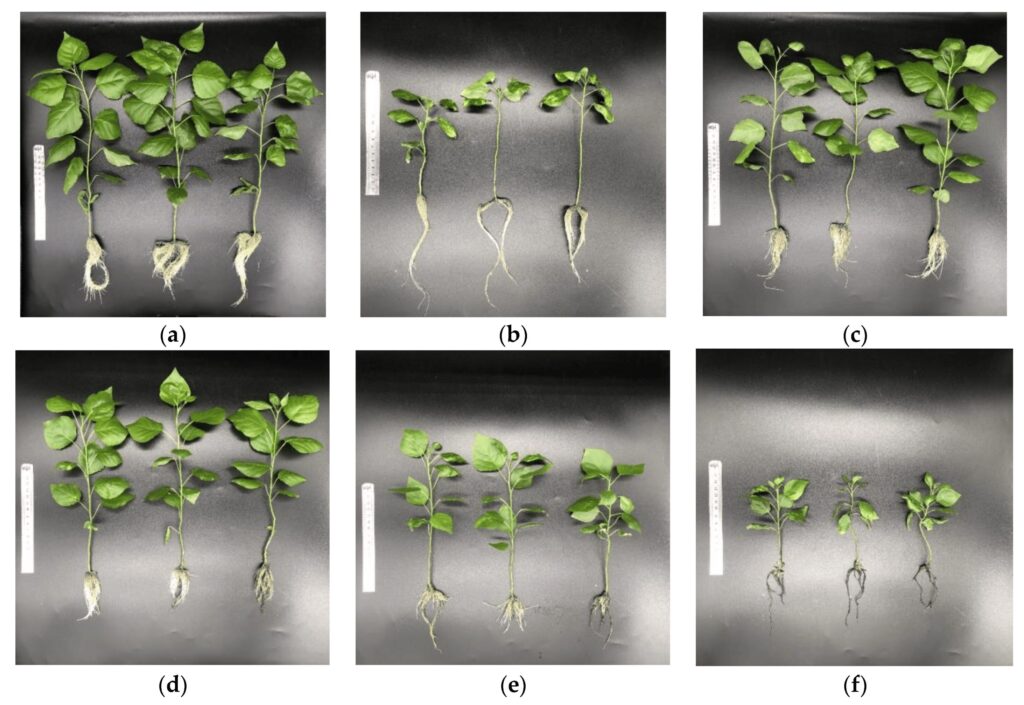
Asparagus is often associated with its edible shoots, but the true star of the Asparagus genus is actually the ornamental grass, commonly known as asparagina. With over 300 species to choose from, this versatile plant offers a range of benefits for gardeners and home growers alike.
What are Asparagina?
Asparagina refers to the ornamental grasses within the Asparagus genus, which includes about 300 species. These plants are known for their striking foliage and ability to thrive in various environments. While we commonly refer to the edible shoots as “asparagus,” the term “asparagina” is specifically used to describe the non-edible species of this genus that are grown for ornamental purposes.
Characteristics of Asparagina
Asparagine plants are herbaceous perennials with a deep root system, allowing them to thrive in a variety of conditions. They come in different shapes and sizes, from compact forms like Asparagus plumosus to sprawling varieties like Asparagus densiflorus. These plants can be grown in pots or directly in the ground, making them an excellent choice for gardeners with limited space.
Popular Varieties of Asparagina
Here are some popular species of asparagina that you might consider growing:
- Asparagus plumosus: This variety is known for its long, puffy stems and can grow up to 100 cm tall. It’s an excellent choice for indoor containers or hanging baskets.
- A. falcatus: With its impressive height of 4-5 meters, this plant requires plenty of space to thrive. It’s perfect for large gardens or outdoor spaces with ample room to grow.
- Asparagus densiflorus: This compact variety is ideal for small gardens or indoor containers. It produces white, pinkish-brown flowers in the spring and can tolerate partial shade.
Cultivation and Care of Asparagina
To keep your asparagina happy and healthy, follow these tips:
- Lighting: Most asparagine species prefer bright, indirect light. Direct sunlight can cause the leaves to become scorched.
- Watering: Water your plants regularly, but make sure not to overwater. Allow the soil to dry slightly between waterings.
- Fertilization: Feed your asparagina with a balanced fertilizer during the growing season (spring and summer).
- Pruning: Regular pruning will help maintain the plant’s shape and encourage new growth.
Tips for Successful Growth
To ensure optimal growth, keep in mind these additional tips:
- Use well-draining potting mix to prevent waterlogged soil.
- Provide support for tall varieties with stakes or trellises.
- Mulch around the base of the plants to retain moisture and suppress weeds.
- Monitor your plants regularly for pests and diseases.
Common Problems and Solutions
If you encounter any issues with your asparagina, here are some common problems and their solutions:
- Yellowing Leaves: This can be caused by overwatering or underwatering. Adjust your watering schedule accordingly.
- Pests: Check for pests like spider mites, mealybugs, and scale. Treat infestations promptly with insecticidal soap or neem oil.
By following these tips and choosing the right variety of asparagina for your needs, you can enjoy the beauty and benefits of this versatile plant in your home or garden.
Frequently Asked Questions
Here are some frequently asked questions about asparagina:
- Q: Can I grow asparagus in a pot?
A: Yes, many varieties of asparagina can thrive in containers. - Q: How often should I water my asparagus plants?
A: Allow the soil to dry slightly between waterings. Overwatering can lead to root rot and other problems. - Q: What type of fertilizer should I use for my asparagus plants?
A: Use a balanced, water-soluble fertilizer during the growing season (spring and summer). - Q: Can I grow asparagina in direct sunlight?
A: No, most species prefer bright, indirect light to prevent scorching.
By providing your asparagina with proper care and attention, you can enjoy its beauty and benefits for years to come.
Asparagus and Wildlife
Asparagine plants are a great source of food for various wildlife. They attract bees, butterflies, and other pollinators that help maintain their health.
Asparagus and Companion Planting
Some asparagina species can be used as companion plants in the garden. For example, planting Asparagus plumosus near roses or lavender can improve their growth and overall health.
Asparagus and Landscaping
Asparagine plants are a versatile option for landscaping. They come in different shapes, sizes, and colors, making them easy to integrate into various garden designs.
By considering these aspects of asparagina, you can create a beautiful and thriving ornamental grass that brings joy and benefits to your home or garden.
Conclusion
Asparagina is a fascinating world of ornamental grasses with over 300 species to choose from. By understanding the characteristics, popular varieties, cultivation tips, and common problems of this versatile plant, you can enjoy its beauty and benefits for years to come. Whether you’re looking to create a stunning landscape or add some color and texture to your indoor space, asparagina is an excellent choice.
Additional Tips
Here are some additional tips to help you get the most out of your asparagina:
- Use a mix of species: Combine different varieties of asparagina to create a diverse and interesting garden.
- Prune regularly: Regular pruning will help maintain the plant’s shape, promote new growth, and encourage healthy root development.
- Monitor for pests: Check your plants regularly for signs of pests like spider mites, mealybugs, or scale. Treat infestations promptly to prevent damage.
- Provide support: Use stakes or trellises to provide support for tall varieties that may need additional structure.
By following these tips and considering the unique characteristics and benefits of asparagina, you can create a beautiful and thriving ornamental grass that brings joy and benefits to your home or garden.



