
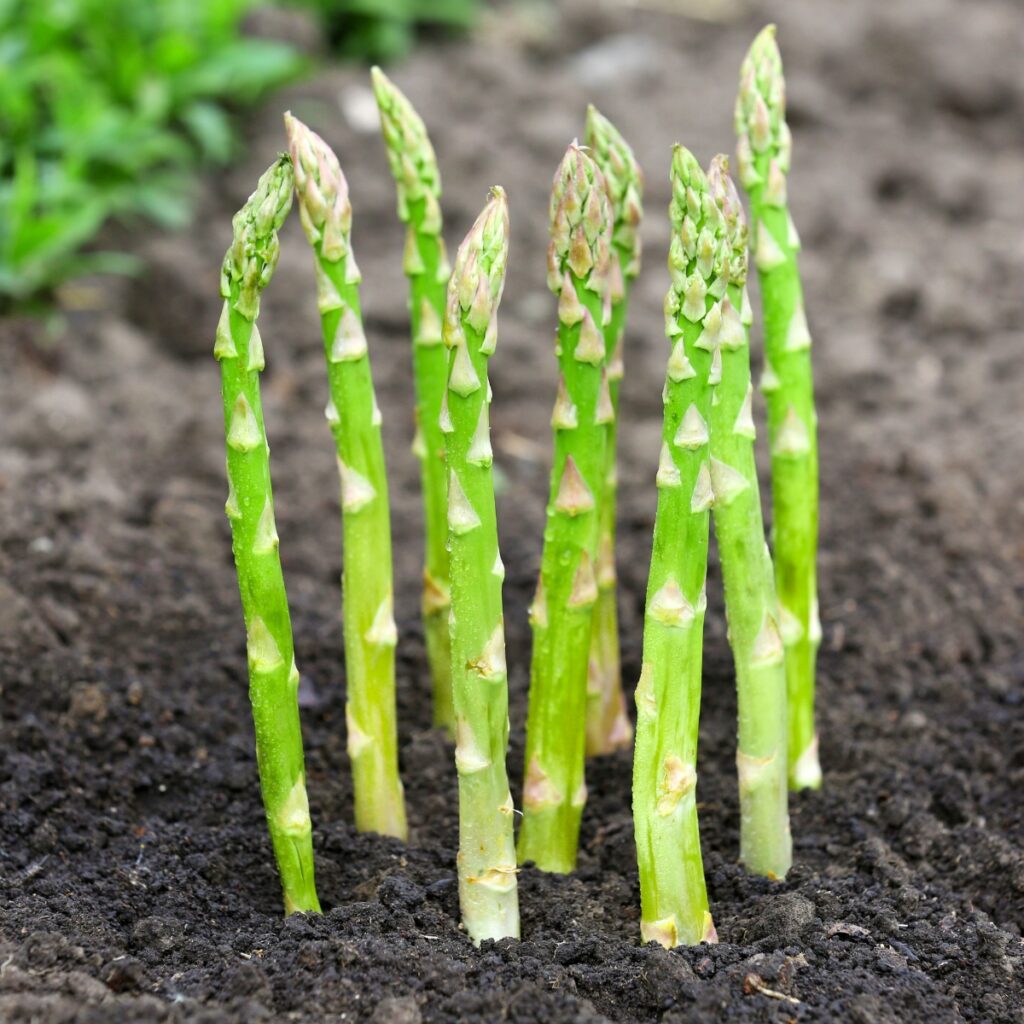
Asparagus is often associated with delicious recipes, but few people know about the fascinating plant itself. The asparagus plant, also known as asparagina, is a complex and intriguing species that has been used for both culinary and ornamental purposes.
Understanding the Family Asparagus
The genus Asparagus belongs to the family Asparagaceae, which comprises numerous plant species. Most of these plants are rampicant, meaning they grow on other plants or surfaces using their stems, roots, or other structures. The asparagus plant is a perennial superfluous plant, characterized by a woody base and herbaceous shoots.
Key Characteristics of the Asparagus Plant
The asparagus plant has several distinctive features:
- Roots: Radicles can be either fleshy or fibrous, branching out to form turions. These underground structures play a crucial role in the plant’s life cycle.
- Stems: Initially, these stem-like structures are green and unbranched, eventually developing into sturdy branches that can reach up to 1 meter in height.
- Foliage: The plant has small, needle-like leaves (cladodi) resembling tiny spikes or spines. These leaves are essential for photosynthesis and provide protection from extreme temperatures.
- Acules: These are modified stems that produce flower stalks and fruit. Acules are found at the tips of the asparagus shoots and contain reproductive organs.
- Flowers and Fruits: Asparagus flowers are male-female, producing white, star-shaped blooms with a pinkish hue. The fruit is a small, triangular berry containing black seeds.
Cultivation and Care Requirements
Asparagus is an easy-to-grow plant that thrives in certain conditions:
- Temperature: Ideal temperature range: 15°C (59°F). Asparagus plants can tolerate temperatures as low as -10°C (14°F) but are sensitive to extreme heat.
- Lighting: Prefers indirect sunlight, but can tolerate some direct sunlight. Asparagus plants require a minimum of six hours of direct sunlight per day.
- Watering: Should be watered generously during the blooming season. Use demineralized or rainwater to avoid stagnation and promote healthy growth.
- Pruning: Remove dead leaves and stems as needed. Regular pruning helps maintain plant shape, encourages new growth, and prevents disease spread.
- Soil: Well-draining soil with a mix of peat moss, sand, and perlite is ideal for asparagus cultivation. The pH range should be between 6.5 and 7.5.
Popular Asparagus Varieties
There are over 300 species within the Asparagus genus. Some notable varieties include:
- Asparagina (A. Plumosus or Setaceus): A dioecious plant that resembles small ferns with triangular leaves.
- A. Sprengeri: An upright, branched variety featuring green, intense foliage and pale pink flowers.
- A. Asparagoides: A rampicant species reaching up to 2 meters in height, characterized by small, heart-shaped leaves and white flowers.
These are just a few examples of the many fascinating asparagus species available for cultivation. Each variety has its unique characteristics, advantages, and uses.
Asparagus Propagation Methods
There are several methods for propagating asparagus:
- Seeds: Asparagus seeds can be sown in spring or fall. However, they germinate slowly and may not produce consistent results.
- Turfing: This method involves dividing mature asparagus crowns into smaller sections and replanting them in well-draining soil.
- Division: Mature asparagus plants can be divided into individual crowns to create new plants.
Asparagus propagation is a delicate process that requires careful planning and execution. Understanding the best methods for your specific variety will ensure successful propagation and long-term plant health.
Common Asparagus Pests and Diseases
Asparagus plants are susceptible to various pests and diseases, including:
- Root rot: Caused by fungi like Phytophthora and Pythium, root rot can be fatal if left untreated.
- Leaf spot: Fungal infections that cause black or brown spots on leaves.
- Aphids: Small, sap-sucking insects that can transmit plant viruses.
To prevent pest and disease issues, maintain good garden hygiene practices, such as removing weeds and debris, and applying fungicides or insecticides when necessary.


