
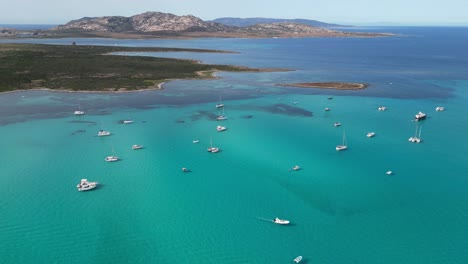
The National Park of Asinara: Uncovering the Secrets of Sardinia’s Hidden Gem
Introduction
Tucked away in the northern-western corner of Sardinia lies a treasure trove of natural beauty, teeming with wildlife and boasting breathtaking landscapes. The National Park of Asinara is an enchanting destination that has been protected since 1997, offering visitors a chance to immerse themselves in the island’s unique flora and fauna. In this article, we’ll delve into the world of Asinara, exploring its history, geography, and the incredible diversity of species that call it home.
A Brief History
The National Park of Asinara has a rich history dating back to 1997, when it was established with a decree issued on November 28. This protected area stretches across the island of Asinara, encompassing both terrestrial and marine ecosystems. Today, it’s considered one of Sardinia’s most precious natural assets.
The park’s location is strategic, as it provides a unique combination of coastal and inland habitats that support a wide range of species. The island itself is part of the Sardinian Archipelago, located in the Tyrrhenian Sea, near the Italian mainland.
Geography
Asinara Island is situated off the coast of Sardinia, approximately 30 kilometers west of the city of Sassari. The island measures around 5.6 square kilometers in size and has a coastline of approximately 110 kilometers, featuring rugged cliffs, sandy beaches, and scenic coves.
The park’s terrain varies from coastal areas to inland hills and valleys, providing diverse habitats for plants and animals. The landscape is dominated by Mediterranean scrub, with features like finocchio di mare (mugwort), ginestrino delle scogliere (gorse), and limonio a foglie acute (lemon balm) growing in abundance.
Marine Protected Area
The Marine Protected Area of the National Park of Asinara covers an area of approximately 108 square kilometers, making it one of the largest marine protected areas in Sardinia. This protected zone is crucial for maintaining the island’s delicate marine ecosystem and supporting a wide range of marine life.
Zones A, B, and C
Within the park’s boundaries lie zones A, B, and C – each varying in level of environmental protection. Zone A, accounting for around 5% of the entire protected area, is a fully protected reserve. Zone B (65%) serves as a general reserve, while Zone C (30%) falls under partial protection.
Fauna: Endemic Species and More
The National Park of Asinara boasts an incredible array of flora and fauna, including endemic Sardinian-Corsican species such as the small algiroide lizard, Sardeña barbagianni, and Sardinian scricciolo. This park is a haven for nature lovers, with over 500 invertebrate species spotted.
Birdlife
The park’s birdlife is another highlight, boasting around 150 species observed, including 52 nesting sites and 80 of interest for conservation. The Mediterranean scrub provides an ideal habitat for birds like the pica-pica, kept as pets by some prisoners.
Mammal Species
Asinara is home to a variety of mammal species, including mouflons introduced in the 1950s, wild boar, and Sardinian white donkeys. These animals play a crucial role in maintaining the park’s ecosystem and providing insights into the impact of human activities on wildlife.
Flora: Mediterranean Scrub and More
Asinara’s flora is characterized by low-lying vegetation along its coastlines, featuring plants like spartium pungent, santolina delle spiagge (santolina), and giglio marino (maritime lilac). Grasses like phoenician shrub (genista) and euphorbia – a toxic plant that’s both striking and deadly – are also prevalent in areas with sand.
Vegetation Zones
The park is divided into different vegetation zones, including Mediterranean scrub, alder forests, and grasslands. Each zone provides unique habitats for plants and animals, highlighting the diversity of Sardinia’s flora.
How to Get There from Porto Torres
Reaching Asinara is relatively straightforward, with maritime connections available in summer. Secondary ports closer to Stintino also serve as an entry point. During peak season, visitors can land at other ports like Castelsardo and Santa Teresa di Gallura.
Visitor Attractions and Activities
While exploring the park’s stunning landscapes, visitors can indulge in flora and fauna spotting until they’re overwhelmed. The Austrian-Hungarian ossuary, dating back to World War I, is a fascinating historical site worth visiting. Alternatively, head to Fornelli for an educational experience at the Ospedale delle Tartarughe (Turtle Hospital), established in 2004.
A faunistical observatory located at Tumbarino provides another opportunity to engage with nature and learn more about Asinara’s unique ecosystem. Visitors can explore the park’s many scenic viewpoints, beaches, and coves, making it an ideal destination for outdoor enthusiasts.
Conclusion
The National Park of Asinara is a treasure trove of natural wonders, boasting an incredible array of flora and fauna. With its rich history, stunning landscapes, and diverse wildlife, it’s no wonder this protected area has captured the hearts of nature lovers worldwide.
Whether you’re interested in exploring the park’s Mediterranean scrub, spotting rare species, or learning about its fascinating history, Asinara is sure to leave a lasting impression on all who visit.
Frequently Asked Questions (FAQs)
- What is the National Park of Asinara?
The National Park of Asinara is a protected area located on the island of Asinara in Sardinia, known for its diverse flora and fauna.
- When was the park established?
The National Park of Asinara was established on November 28, 1997.
- What are some endangered species found in the park?
Endangered species like the mouflon, wild boar, and monk seal can be found in the park.
- How do I get to the park from Porto Torres?
Maritime connections with specialized boats are available in summer, while secondary ports closer to Stintino also serve as an entry point.
- What are some must-visit attractions within the park?
The Austrian-Hungarian ossuary and Fornelli’s Ospedale delle Tartarughe (Turtle Hospital) are two of the many fascinating historical sites and educational experiences available within the park.
- Can I spot rare bird species in the park?
Yes, Asinara is home to around 150 bird species, with 52 nesting sites and 80 of interest for conservation.
- What type of vegetation can be found along the coastlines?
The Mediterranean scrub characterizes the coastline vegetation, featuring plants like finocchio di mare (mugwort), ginestrino delle scogliere (gorse), and limonio a foglie acute (lemon balm).
- Is the park open year-round?
While there are limited opening hours and seasonal restrictions, visitors can explore the park during its designated operating times.
- Can I participate in guided tours or activities within the park?
Yes, guided tours and educational programs are available at various points throughout the park to enhance your experience.
- Is Asinara a suitable destination for families with young children?
Asinara offers many family-friendly attractions and activities, making it an excellent choice for families with young children interested in exploring nature and wildlife.


