
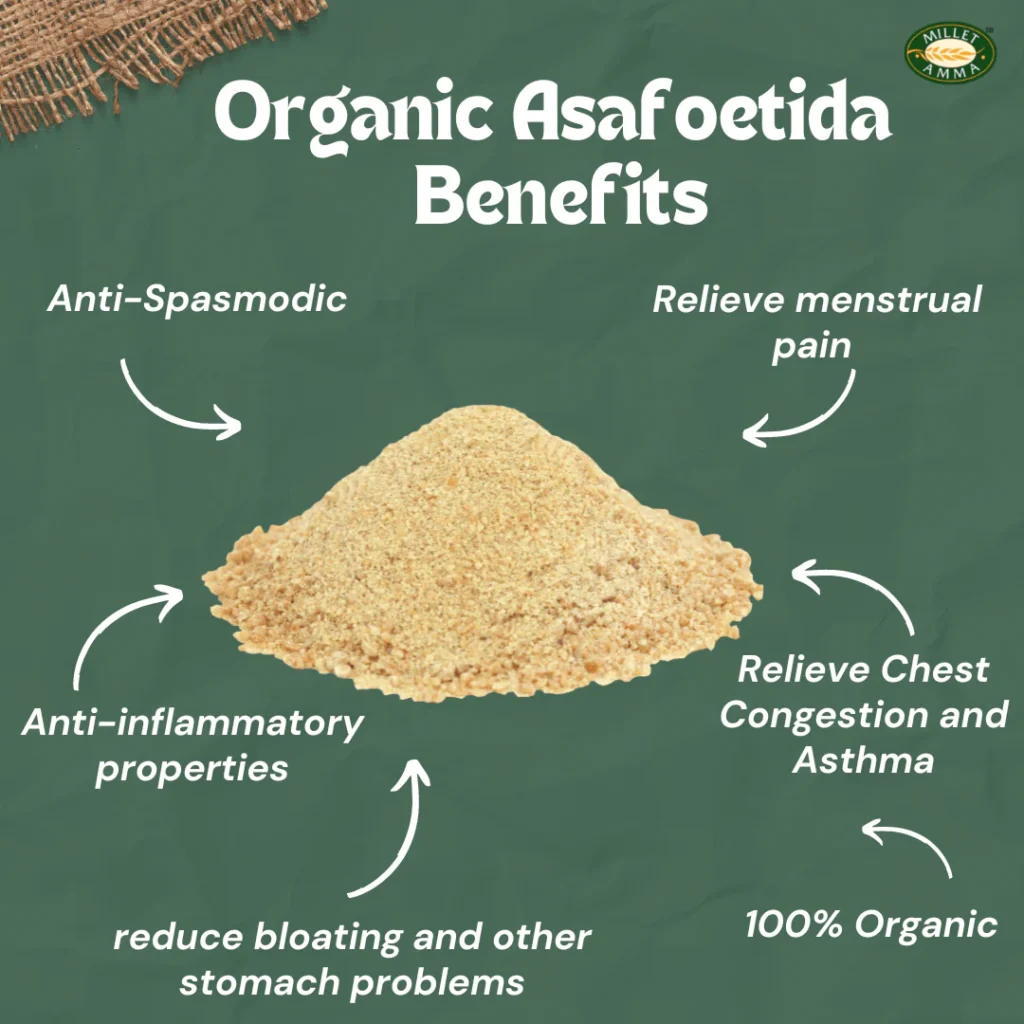
Assafetida, also known as “stinkweed,” is a type of herbaceous plant that belongs to the Apieceae family. Despite its unappealing name, assafetida has been cultivated for culinary purposes, and its unique flavor and aroma have earned it a place in traditional medicine, Ayurveda, and homeopathy.
What is Assafetida?
Assafetida is native to the arid regions of Iran and the mountainous areas of Afghanistan. It is primarily grown in India for its culinary uses, but it also has applications in medicine and other unusual ways.
The Unique Flavor and Aroma of Assafetida
The assafetida plant has a pungent aroma that dissipates during cooking, leaving behind a unique flavor reminiscent of garlic or leeks. Its strong scent can be overwhelming at first, but once cooked, it adds a subtle, yet distinctive taste to dishes.
Assafetida in Ayurveda and Homeopathy
In traditional Indian medicine, assafetida is used as a natural remedy for reducing gas buildup in the digestive system. It is also employed in homeopathy to alleviate symptoms of bronchitis, asthma, and other respiratory issues. In some regions of India, it is believed to have antibacterial properties and is used to treat chronic coughs and pertussis.
History of Assafetida Use
In Western cultures, assafetida has been used for centuries as a topical treatment for abdominal injuries, even deep ones. It was also used to combat influenza in the 18th and 19th centuries. In recent years, research has revealed that assafetida contains natural antiviral compounds effective against H1N1 influenza.
Using Assafetida in Cooking
Assafetida is an excellent addition to a wide variety of dishes, from soups to stews and even salads. Its unique flavor can add depth and complexity to various recipes. For those interested in exploring the culinary uses of assafetida, we recommend checking out our article on Assafetida in Cooking.
Where to Buy Assafetida
Assafetida is commonly found in spice blends, but purchasing it pure can be more challenging. Online marketplaces like Amazon offer a range of assafetida products, including pure powder and blends with other spices.
The Magical Properties of Assafetida
In Jamaican culture, assafetida is used to ward off malevolent spirits, while in traditional African-American hoodoo practices, it is employed in spells to curse enemies or protect friends. The resin extracted from the plant contains compounds like acid ferulic and umbelliferone, which have been identified as having potential health benefits.
Other Uses of Assafetida
Assafetida has been used in hunting as an attractant for wolves and as a fishing lure to catch catfish and luce. It is also sought after by insect enthusiasts to attract rare species like the gulf fritillary butterfly.
The Health Benefits of Assafetida
Research has shown that assafetida contains compounds with potential health benefits, including:
- Antioxidant properties: Assafetida contains antioxidants like ferulic acid, which can help protect against oxidative stress and cell damage.
- Anti-inflammatory properties: The resin extracted from assafetida has been shown to have anti-inflammatory properties, which may help alleviate symptoms of conditions like arthritis.
- Antimicrobial properties: Assafetida has been found to exhibit antimicrobial activity against certain bacteria and fungi, making it a potential natural remedy for wound care.
Conclusion
Assafetida is a fascinating plant with a rich history and diverse applications. From its unique flavor to its medicinal properties, this herbaceous plant has captured the attention of cooks, healers, and spiritual practitioners worldwide. Whether used in cooking, medicine, or magic, assafetida continues to inspire curiosity and interest.
Frequently Asked Questions (FAQs)
- What is the best way to use assafetida in cooking?
Assafetida can be added to soups, stews, salads, and other dishes towards the end of cooking to preserve its unique flavor. - How do I store assafetida for long-term use?
Store assafetida powder in an airtight container to maintain its potency and aroma. - Can assafetida be used as a natural remedy for digestive issues?
Yes, assafetida has been traditionally used to treat gas buildup and other digestive problems in Ayurveda and homeopathy. - What are the potential side effects of using assafetida?
Assafetida can cause gastrointestinal upset in some individuals; start with small amounts and monitor your body’s response. - Can I use assafetida as a natural antiseptic?
While assafetida has antimicrobial properties, its effectiveness as an antiseptic has not been extensively studied or proven. - How do I grow my own assafetida plant?
Assafetida is typically grown in arid regions and requires specific climate conditions; consult with local experts or online resources for guidance on cultivation. - Can assafetida be used as a natural insect repellent?
Yes, the resin extracted from assafetida has been shown to have potential insect-repelling properties. - Is assafetida safe for consumption during pregnancy?
There is limited research on the safety of consuming assafetida during pregnancy; consult with a healthcare professional before using it as a natural remedy or ingredient in cooking.
Assafetida’s unique flavor and aroma make it an intriguing addition to various dishes, from soups to salads. Its potential health benefits, including antioxidant, anti-inflammatory, and antimicrobial properties, have sparked interest in its use as a natural remedy and supplement.


