
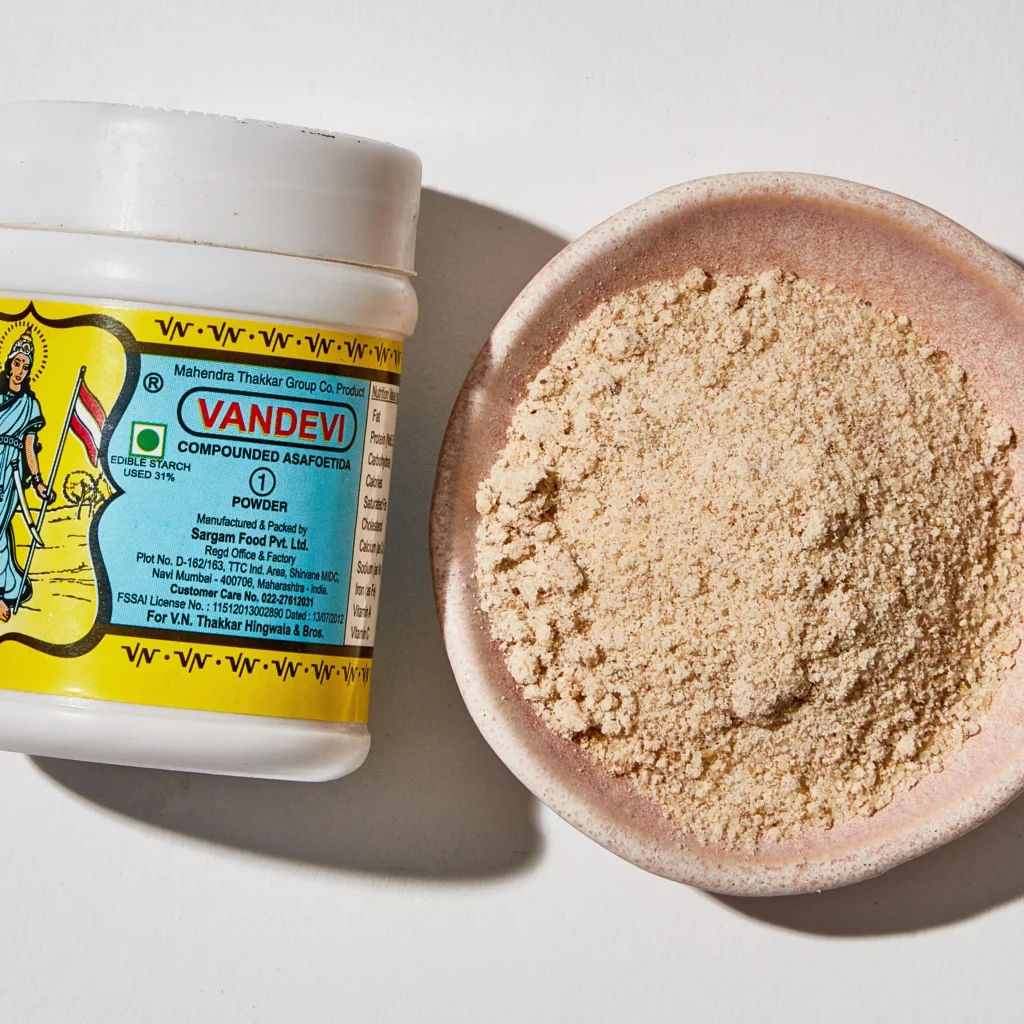
Asafoetida, also known as ferula foetida, is a perennial plant native to the Middle East and Asia. Its pungent aroma has earned it the nickname “Devil’s Dung” or “Fetid Fennel.” However, this unique plant has been a staple in Indian cuisine for centuries, and its properties have made it a popular remedy in Ayurvedic medicine.
The Plant of Asafoetida
Asafoetida is a member of the Apiaceae family, which includes carrots, parsley, and celery. The plant can grow up to 2 meters tall, with pinnate leaves and yellow flowers. Its fleshy stem emits a strong, distinctive odor that has led to its name.
Cultivation of Asafoetida
Asafoetida prefers full sun and well-drained soil, making it an ideal crop for warm and dry climates. It thrives in conditions where other plants would struggle. The plant typically grows from seeds and takes several years to mature and produce resin.
Using Asafoetida in Cooking
The strong aroma of asafoetida makes it a versatile ingredient in Indian cuisine. Asafoetida powder is made from the resin extracted from the root, which is then ground into a fine powder. This process ensures that the flavor is released during cooking, much like how we Italians grind our black pepper to release its flavor.
When cooked, asafoetida neutralizes its pungent odor and adds a unique, slightly sweet flavor reminiscent of garlic and peppercorn. Its intensity depends on the amount used and the quality of the product.
Asafoetida in Indian Cuisine
In the Middle East and Central Asia, asafoetida is an essential spice in cooking. It’s used to mask unpleasant odors and add depth to dishes. In India, asafoetida is a staple condiment, often paired with curcuma to enhance the flavor of vegetable-based dishes.
Vegetarians and vegans can benefit from using asafoetida, as it helps balance flavors and masks any bitter notes in vegetables. When dry, asafoetida can be mixed with salt and used as a seasoning for salads.
Precautions When Using Asafoetida
Asafoetida should always be stored in airtight containers to prevent its pungent aroma from contaminating other spices. In Western cuisine, it’s common to find asafoetida mixed with other spices or ingredients, but pure asafoetida is harder to come by.
Savoring the Flavor of Asafoetida
Asafoetida may not be for everyone, but its unique flavor profile has won over many fans. With a little experimentation and practice, you can unlock the secrets of this ancient spice and experience the depth it adds to your cooking.
Exploring the Medicinal Properties of Asafoetida
Beyond its culinary uses, asafoetida has been revered in Ayurvedic medicine for centuries. Its properties include:
- Disinfectant
- Digestive aid
- Carminative
- Antispasmodic
- Laxative
- Antimicrobial
These benefits have made asafoetida a popular remedy for digestive issues, gas, and indigestion.
Conclusion
Asafoetida is a fascinating plant with a rich history in Indian cuisine and Ayurvedic medicine. Its unique properties and versatility make it a valuable addition to any kitchen or pantry. By understanding the cultural context and medicinal uses of asafoetida, you can unlock its full potential and experience the depth it adds to your cooking.
Frequently Asked Questions
- What is asafoetida used for in Indian cuisine?
Asafoetida is a staple condiment in Indian cuisine, often paired with curcuma to enhance the flavor of vegetable-based dishes. - Is asafoetida suitable for vegetarians and vegans?
Yes, asafoetida can help balance flavors and mask bitter notes in vegetables, making it an excellent option for those following a plant-based diet. - How do I store asafoetida to preserve its aroma?
Asafoetida should always be stored in airtight containers to prevent its pungent aroma from contaminating other spices. - Can I find pure asafoetida powder in Western stores?
Pure asafoetida is harder to come by, but it can often be found mixed with other spices or ingredients in Indian or Middle Eastern stores. - What are the medicinal properties of asafoetida?
Asafoetida has been revered in Ayurvedic medicine for centuries due to its properties as a disinfectant, digestive aid, carminative, antispasmodic, laxative, and antimicrobial agent. - How do I use asafoetida powder in cooking?
Asafoetida powder can be added to dishes during cooking to release its unique flavor profile, which is slightly sweet and reminiscent of garlic and peppercorn. - Can asafoetida help with digestive issues?
Yes, asafoetida has been used in Ayurvedic medicine for centuries to aid digestion and alleviate symptoms of indigestion, gas, and bloating. - Is asafoetida safe for consumption?
Asafoetida is generally considered safe when consumed in moderation, but individuals with sensitive stomachs or allergies should exercise caution.
Precautions When Cooking with Asafoetida
- Avoid ingesting large amounts: Consuming excessive amounts of asafoetida can cause digestive issues and allergic reactions.
- Use it in small quantities: Start with a small amount (about 1/4 teaspoon) and adjust to taste, as the flavor can be overpowering.
- Pair it with other ingredients: Combine asafoetida with other spices or herbs to balance its intensity and create harmonious flavors.
Using Asafoetida in Ayurvedic Medicine
Asafoetida has been used in traditional Ayurvedic medicine for centuries due to its medicinal properties. Some of the ways it can be incorporated into Ayurvedic remedies include:
- Digestive teas: Blend asafoetida with ginger, turmeric, and other herbs to create a soothing tea for digestive issues.
- Carminative oils: Mix asafoetida with coconut oil or sesame oil to create a carminative agent that can help alleviate gas and bloating.
- Antispasmodic remedies: Combine asafoetida with other herbs like peppermint, chamomile, and licorice root to create an antispasmodic remedy for menstrual cramps and other digestive issues.
Asafoetida in Modern Medicine
While asafoetida has been used in traditional medicine for centuries, modern research has shed light on its potential benefits. Some studies have shown that asafoetida:
- Has antimicrobial properties: Asafoetida’s antimicrobial properties make it a promising agent against bacterial and fungal infections.
- Can help manage blood sugar levels: Research suggests that asafoetida may help regulate blood sugar levels, making it a potential natural remedy for type 2 diabetes.
Conclusion
Asafoetida is a fascinating plant with a rich history in Indian cuisine and Ayurvedic medicine. Its unique properties and versatility make it a valuable addition to any kitchen or pantry. By understanding the cultural context and medicinal uses of asafoetida, you can unlock its full potential and experience the depth it adds to your cooking.
Frequently Asked Questions
- What is asafoetida used for in Indian cuisine?
Asafoetida is a staple condiment in Indian cuisine, often paired with curcuma to enhance the flavor of vegetable-based dishes. - Is asafoetida suitable for vegetarians and vegans?
Yes, asafoetida can help balance flavors and mask bitter notes in vegetables, making it an excellent option for those following a plant-based diet. - How do I store asafoetida to preserve its aroma?
Asafoetida should always be stored in airtight containers to prevent its pungent aroma from contaminating other spices. - Can I find pure asafoetida powder in Western stores?
Pure asafoetida is harder to come by, but it can often be found mixed with other spices or ingredients in Indian or Middle Eastern stores. - What are the medicinal properties of asafoetida?
Asafoetida has been revered in Ayurvedic medicine for centuries due to its properties as a disinfectant, digestive aid, carminative, antispasmodic, laxative, and antimicrobial agent.
Asafoetida in Traditional Medicine
- Ayurvedic remedy: Combine asafoetida with other herbs like ginger, turmeric, and licorice root to create a digestive tea for relieving indigestion and bloating.
- Unani medicine: Use asafoetida to treat menstrual cramps, diarrhea, and other digestive issues.
Asafoetida in Modern Medicine
- Antimicrobial agent: Asafoetida’s antimicrobial properties make it a promising agent against bacterial and fungal infections.
- Blood sugar regulation: Research suggests that asafoetida may help regulate blood sugar levels, making it a potential natural remedy for type 2 diabetes.
Conclusion
Asafoetida is a fascinating plant with a rich history in Indian cuisine and Ayurvedic medicine. Its unique properties and versatility make it a valuable addition to any kitchen or pantry. By understanding the cultural context and medicinal uses of asafoetida, you can unlock its full potential and experience the depth it adds to your cooking.
Frequently Asked Questions
- What is asafoetida used for in Indian cuisine?
Asafoetida is a staple condiment in Indian cuisine, often paired with curcuma to enhance the flavor of vegetable-based dishes. - Is asafoetida suitable for vegetarians and vegans?
Yes, asafoetida can help balance flavors and mask bitter notes in vegetables, making it an excellent option for those following a plant-based diet. - How do I store asafoetida to preserve its aroma?
Asafoetida should always be stored in airtight containers to prevent its pungent aroma from contaminating other spices.
Asafoetida: A Natural Remedy for Digestive Issues
- Digestive tea: Combine asafoetida with ginger, turmeric, and other herbs to create a soothing tea for digestive issues.
- Carminative oils: Mix asafoetida with coconut oil or sesame oil to create a carminative agent that can help alleviate gas and bloating.
Asafoetida: A Natural Remedy for Menstrual Cramps
- Antispasmodic remedy: Combine asafoetida with other herbs like peppermint, chamomile, and licorice root to create an antispasmodic remedy for menstrual cramps.
- Menstrual relief tea: Blend asafoetida with ginger, turmeric, and other herbs to create a soothing tea for menstrual cramps.
Asafoetida: A Natural Remedy for Blood Sugar Regulation
- Blood sugar regulation tea: Combine asafoetida with other herbs like cinnamon, ginger, and licorice root to create a tea that can help regulate blood sugar levels.
- Natural remedy for type 2 diabetes: Asafoetida’s potential benefits make it a promising natural remedy for managing blood sugar levels in people with type 2 diabetes.


