
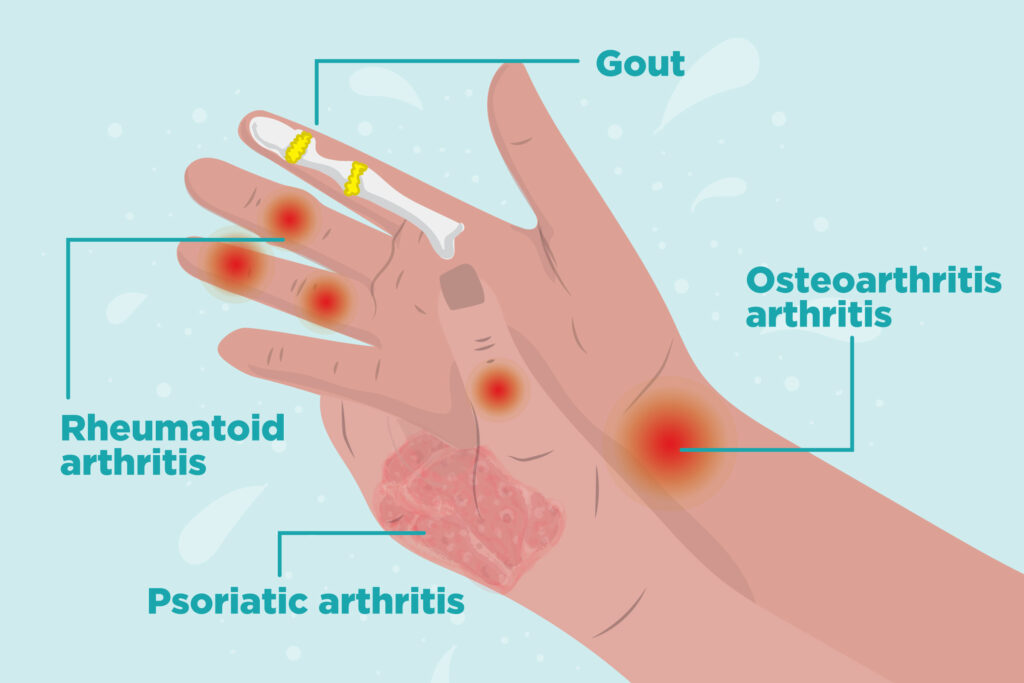
As we go about our daily lives, it’s easy to take for granted the intricate mechanisms of our hands and wrists. The small joints that allow us to perform even the most delicate tasks are truly remarkable, working in harmony to produce precise movements and actions. However, when these joints become affected by arthritis, even the simplest activities can become incredibly challenging.
The Origins of Hand Arthritis
Arthritis is often caused by a disease, leading to gradual onset of symptoms and cartilage wear-down over time. The two most common forms of arthritis related to a disease are osteoarthritis and rheumatoid arthritis.
Osteoarthritis, also known as “wear-and-tear” arthritis, primarily affects older individuals and causes the deterioration of cartilage. Rheumatoid arthritis, on the other hand, is a chronic condition that can affect various parts of the body, leading to inflammation of the joint lining, causing pain and stiffness in the affected joints.
In some cases, arthritis may be caused by trauma, such as fractures or dislocations that damage the joint surface. Even if treated correctly, an injured joint has a higher likelihood of developing into arthritis over time.
Identifying Symptoms of Hand Arthritis
The initial symptoms of hand arthritis include joint pain or a feeling of burning sensations. These pains often occur after periods of intense joint use, like gripping or lifting objects. The pain may not be immediate but can manifest hours later or even the next day.
Other common symptoms include morning stiffness and limited range of motion. As cartilage degradation increases, symptoms worsen, including nighttime awakenings due to painful joints. The pain also tends to intensify with joint use and eases with rest.
In some cases, the affected hand may swell in response to increased stress on the joint, leading to pain and discomfort.
Diagnosing Hand Arthritis
A healthcare professional typically diagnoses hand arthritis by examining the hand and taking X-rays. In rare instances, specialized tests like MRI scans might be necessary, particularly if a condition called Keinbock’s disease is suspected (a rare disorder affecting blood flow to one of the small bones in the wrist).
Treating Hand Arthritis
The primary goal of treatment is to prevent further strain on the affected joints. Early intervention is crucial to initiate treatment and allow for continued functionality.
Common treatment options include:
- Medications: pain relief medications, such as NSAIDs (naproxen or ibuprofen)
- Corticosteroid injections
- Joint replacement surgery or fusion
Treatment Options
The choice of treatment depends on several factors, including the severity of arthritis, involved joints, age, lifestyle, and other health conditions.
For medication, pain-relieving drugs such as NSAIDs are commonly used to manage symptoms. In some cases, corticosteroid injections may be necessary to provide relief from pain for several weeks or months.
When first-line treatments fail, surgery is often considered. Options include joint replacement, fusion (arthrodesis), and other procedures aimed at restoring function and alleviating pain.
Physical Therapy
A well-designed physical therapy plan can significantly aid in hand rehabilitation after treatment. The focus should be on strengthening the muscles surrounding the affected joints while improving flexibility.
Physical therapists use a variety of techniques to promote healing, including:
- Gentle stretching exercises
- Strengthening exercises for nearby muscles
- Range-of-motion exercises
- Modalities such as ultrasound or electrical stimulation
Alternative Therapies
In addition to conventional treatments, some people find relief from alternative therapies that can help manage hand arthritis pain. These include:
- Acupuncture: A form of traditional Chinese medicine involving the insertion of fine needles into specific points along the body to stimulate healing.
- Cognitive-behavioral therapy (CBT): A type of talk therapy that helps individuals identify and change negative thought patterns contributing to their discomfort.
- Mind-body therapies, such as meditation or yoga: Practices aimed at reducing stress and promoting relaxation.
Lifestyle Changes
A healthy lifestyle can go a long way in managing hand arthritis. By incorporating the following habits into your daily routine:
- Regular exercise
- Proper posture
- Adequate sleep
- Balanced diet
You can help alleviate symptoms, improve functionality, and reduce the risk of further complications.
Conclusion
Arthritis of the hand can significantly impact daily life, but with proper treatment and care, many people are able to manage their symptoms and maintain functionality.
If you’re experiencing persistent pain or stiffness in your hands, consult a healthcare professional for an accurate diagnosis and effective treatment plan.


