
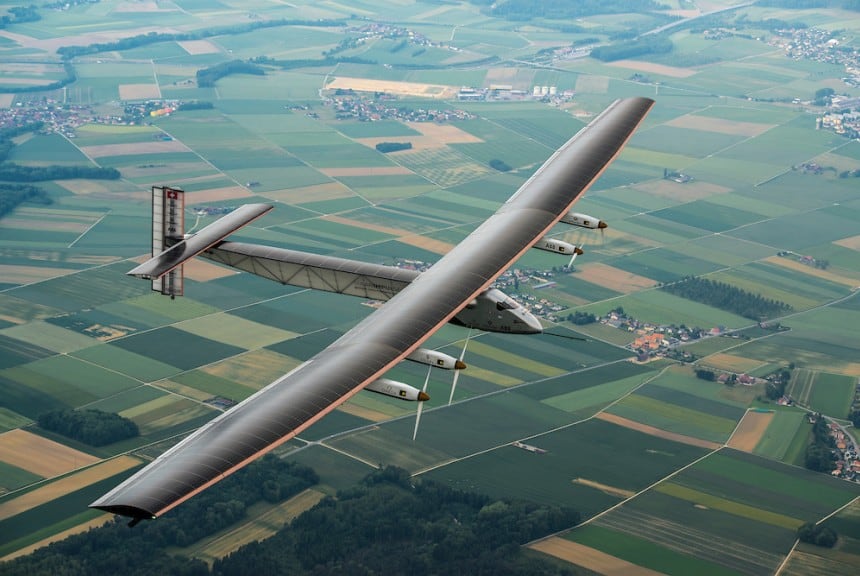
Imagine flying around the world without burning a single drop of fuel. Sounds like science fiction, but for Bertrand Piccard and André Borschberg, it’s a reality made possible by the innovative Solar Impulse 2 project.
Solar Impulse is not just an experimental solar-powered aircraft; it’s an entire Swiss-based initiative that has been in development since 2009. The first prototype, HB-SIA, was unveiled to the public on June 26, 2009, and made its maiden flight in December of the same year. Since then, the project has undergone significant improvements with the construction of Solar Impulse 2 (HB-SIB), capable of completing transcontinental and trans-oceanic flights.
The Journey Begins
With Solar Impulse 2, Bertrand Piccard and André Borschberg aim to make history by flying around the world without burning a single drop of fuel. The journey will start from Abu Dhabi, the capital of the United Arab Emirates, with no specific date set for departure, but expected to take place between late February and early March. The return leg is scheduled for late July to early August.
The initial phase of the flight will involve several stops in various countries, including India, China, Myanmar, and Oman, where the public can witness the aircraft’s capabilities firsthand. These events are crucial for changing pilots and organizing public interest in the project.
The Route
After crossing the Pacific Ocean by flying over Hawaii, Solar Impulse 2 will land in the United States, making stops in Phoenix and New York City’s JFK Airport. The third stop will be determined based on weather conditions. After crossing the Atlantic, the final leg will include a stop in either Southern Europe or North Africa before returning to Abu Dhabi.
The routes are carefully planned to ensure that Solar Impulse 2 completes its journey safely while minimizing disruptions to air traffic and local communities. The aircraft’s route is designed to maximize solar energy generation while avoiding extreme weather conditions.
The Aircraft
Solar Impulse 2 has an impressive wingspan of 72 meters, surpassing that of an Airbus A380, the largest commercial airliner in the world. The aircraft weighs a mere 2,300 kg, significantly less than an Airbus. Despite its compact size, Solar Impulse 2 boasts a non-pressurized cockpit capable of sustaining a pilot for up to a week.
The aircraft’s design is optimized for efficiency and speed, with a unique wing structure that allows it to maintain stability during flight. The Solar Impulse team has also developed advanced navigation systems to ensure precise control over the aircraft’s trajectory.
A New Era in Aviation
Bertrand Piccard emphasizes that their attempt to complete the first solar-powered flight is not just about setting a record but also demonstrating that renewable energy and technology can help us achieve previously unimaginable feats. “We want everyone, young people, administrators, politicians, to understand that what we’re doing in the air with Solar Impulse, is possible on land every day,” he said.
André Borschberg adds, “Solar Impulse 2 isn’t the first solar-powered aircraft, but it’s the first capable of crossing oceans and continents while staying airborne for several days and nights.”
Solar Power
Solar Impulse 2 boasts 12,000 solar cells that generate energy, allowing the aircraft to fly at speeds ranging from 50 to 100 km/h. The Solar Impulse team is committed to ensuring the sustainability of their pilot through the completion of this historic flight.
The Solar Impulse project has sparked interest in other eco-friendly transportation options, such as solar-powered cars and boats. As Solar Impulse 2 embarks on its journey, it’s clear that renewable energy is set to change the face of aviation forever.
Key Facts About Solar Impulse 2
- Wingspan: 72 meters
- Weight: 2,300 kg
- Engines: Four electric motors powered by solar cells
- Maximum speed: 100 km/h
- Endurance: Up to five days and nights without refueling
Solar Impulse 2 is set to make history by flying around the world using only renewable energy. With its impressive capabilities and commitment to sustainability, this innovative project is paving the way for a new era in aviation.
Frequently Asked Questions
Q: What is Solar Impulse 2?
A: Solar Impulse 2 is a solar-powered aircraft designed to fly around the world without burning fuel.
Q: Where will the journey begin and end?
A: The journey will start from Abu Dhabi, United Arab Emirates, and return to Abu Dhabi after completing the circumnavigation.
Q: How long does the flight take?
A: The exact duration of the flight has not been announced yet, but it is expected to take place between late February and early March.
Q: What kind of technology is used in Solar Impulse 2?
A: The aircraft features a combination of solar cells and electric motors powered by renewable energy.
Q: Can others follow in Solar Impulse 2’s footsteps?
A: Yes, the project aims to demonstrate that sustainable aviation can be achieved using renewable energy sources.
Q: What are the challenges faced by the pilots during the flight?
A: The pilots will face challenging conditions such as extreme weather and limited communication with ground control due to the aircraft’s non-pressurized cockpit.
Q: Will Solar Impulse 2 complete its journey safely?
A: The team is committed to ensuring the safety of the pilot and the aircraft, but there are always risks associated with long-duration flights.
The Role of Technology in Solar Impulse 2
Solar Impulse 2 relies on advanced technology to enable its historic flight. Some of the key technologies used in the aircraft include:
- Advanced solar cells: The aircraft’s solar cells are designed to generate maximum energy while minimizing weight.
- Electric motors: The four electric motors powered by solar cells allow Solar Impulse 2 to achieve high speeds and maintain control during flight.
- Navigation systems: The aircraft features advanced navigation systems, including GPS and a digital cockpit, to ensure precise control over the aircraft’s trajectory.
The team has also developed specialized software to optimize the aircraft’s performance and reduce energy consumption. This includes algorithms that analyze weather patterns and aerodynamic data to minimize energy loss.
Environmental Impact
Solar Impulse 2 is not only a technological marvel but also an environmental success story. The project aims to demonstrate that renewable energy can be used to power transportation, reducing greenhouse gas emissions and dependence on fossil fuels.
The Solar Impulse team has also developed strategies for minimizing the aircraft’s impact on local communities and wildlife during its journey. These measures include careful planning of flight routes and altitude adjustments to avoid sensitive ecosystems.
Economic Benefits
In addition to its environmental benefits, the Solar Impulse project is also expected to have significant economic benefits. The aircraft’s innovative design and technology are likely to inspire new industries and investment opportunities in renewable energy and sustainable aviation.
The Solar Impulse project has already attracted international attention and support, with partnerships established with leading companies and organizations worldwide.
Conclusion
Solar Impulse 2 is an extraordinary achievement that showcases the potential of renewable energy in aviation. The project’s innovative design, advanced technology, and commitment to sustainability make it a beacon for sustainable development and transportation.
As Solar Impulse 2 embarks on its historic journey around the world, we can expect significant advancements in our understanding of sustainable aviation and its applications. Whether you’re an aviation enthusiast or simply interested in renewable energy, this remarkable project is sure to inspire and educate.


